1066

GFR Calculator

icon
Your GFR Value:
--mL/min/1.73m2
Your Stage: --
Normal 90+ or above and no proteinuria
CKD1 90+ with evidence of kidney damage
CKD2 (Mild) 60 to 89 with evidence of kidney damage
CKD3 (Moderate) 30 to 59
CKD4 (Severe) 15 to 29
CKD5 (Kidney Failure) Less than 15

GFR Calculator

Estimate Your Kidney Function Online.
Use Apollo Hospitals' Glomerular Filtration Rate (GFR) Calculator to estimate your kidney function using serum creatinine levels, age, and gender. The estimated GFR (eGFR) helps assess how well your kidneys are filtering waste products and excess fluids from the blood.

A GFR calculation is commonly used by healthcare professionals to screen for kidney disease, monitor kidney health, and guide treatment decisions.
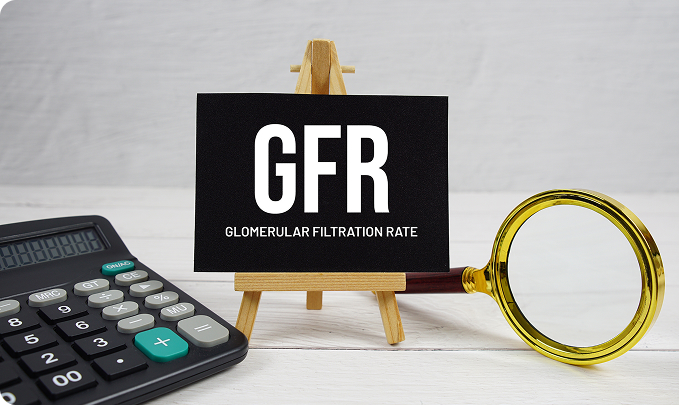
Serum creatinine (SCr) Mg/Dl
Age
Select Gender
Race
About the GFR Calculator
The Glomerular Filtration Rate (GFR) is one of the most important indicators of kidney function. It reflects how much blood the kidneys filter every minute.
image

Because direct measurement of GFR is complex, healthcare providers usually use an estimated GFR (eGFR), calculated from factors such as:

  • Serum creatinine level
  • Age
  • Gender
  • Body characteristics

The GFR Calculator provides an estimate of kidney function and helps identify whether further medical evaluation may be necessary.

It is commonly used for:

  • Screening for chronic kidney disease (CKD)
  • Monitoring kidney function over time
  • Evaluating the impact of diabetes and hypertension on the kidneys
  • Guiding medication dosing in certain patients
How Does the GFR Calculator Work?
The calculator estimates kidney function using validated medical equations that incorporate serum creatinine measurements and personal characteristics.
What Is Serum Creatinine?
  • Creatinine is a waste product produced by normal muscle metabolism. Healthy kidneys remove creatinine from the bloodstream and excrete it through urine.
    When kidney function declines, creatinine levels may rise.
Estimated Glomerular Filtration Rate (eGFR)
  • The calculator uses serum creatinine along with age and gender to estimate how efficiently the kidneys filter blood.
  • The result is reported as: mL/min/1.73 m²
  • This standardised value allows healthcare providers to compare kidney function between individuals.
Why Is eGFR Important?
  • eGFR helps detect kidney problems even before symptoms develop.

Regular monitoring may assist in:

  • Early diagnosis of kidney disease
  • Tracking progression of CKD
  • Managing diabetes and hypertension
  • Planning treatment and lifestyle interventions
What Your GFR
Result Means
Your GFR result provides an estimate of how well your kidneys are functioning.
icon
GFR 90 mL/min/1.73 m² or Higher

A GFR in this range is generally considered normal if no other signs of kidney disease are present. However, individuals with diabetes, hypertension, or abnormal urine findings may still require monitoring.

icon
GFR 60–89 mL/min/1.73 m²

This may indicate mildly reduced kidney function. In many cases, kidney function remains stable, but additional evaluation may be needed if other risk factors are present.

icon
GFR 45–59 mL/min/1.73 m²

This stage often indicates mild-to-moderate reduction in kidney function. Regular medical follow-up is important to assess progression and manage underlying causes.

icon
GFR 30–44 mL/min/1.73 m²

This range generally reflects moderate-to-severe kidney impairment. Patients may require specialist nephrology care and closer monitoring.

icon
GFR 15–29 mL/min/1.73 m²

This stage indicates severe kidney dysfunction and carries an increased risk of complications. Active management and specialist supervision are usually required.

icon
GFR Below 15 mL/min/1.73 m²

This may indicate kidney failure. Urgent evaluation by a nephrologist is typically necessary to discuss treatment options, including dialysis or kidney transplantation when appropriate.


A Note for Indian 
Adults

India has a growing burden of chronic kidney disease due to increasing rates of:

  • Diabetes mellitus
  • Hypertension
  • Obesity
  • Cardiovascular disease

Early detection through routine health screening can help slow disease progression and reduce complications.

In addition to GFR, urine protein levels, blood pressure control, blood sugar management, and cardiovascular risk assessment are important aspects of kidney health.

image
Factors That Can
Affect GFR
Several factors influence kidney function and eGFR results.
image
Age

GFR naturally declines with age even in otherwise healthy individuals.
image
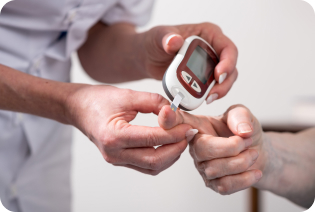
Diabetes

Diabetes is one of the leading causes of chronic kidney disease.
image
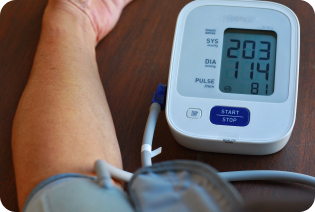
High Blood Pressure

Poorly controlled hypertension can damage kidney blood vessels and reduce filtering capacity.

image
Heart Disease

Cardiovascular disease and kidney disease often coexist and may affect one another.

image
Obesity

Excess body weight can increase the risk of kidney damage over time.

image
Certain Medications

Some medications may affect kidney function and require monitoring.

image
Kidney Disorders

Conditions such as glomerulonephritis, polycystic kidney disease, kidney infections, and urinary tract obstruction can influence GFR.


Understanding Chronic Kidney Disease (CKD)
Chronic Kidney Disease occurs when kidney function remains impaired for a prolonged period.
Early Stages of CKD
  • Many individuals experience no symptoms during the early stages of kidney disease.
  • This is why routine screening is important for high-risk individuals.
Progressive Kidney Disease

As kidney function declines, symptoms may develop, including:

  • Fatigue
  • Swelling of feet and ankles
  • Reduced appetite
  • Nausea
  • Difficulty concentrating
  • Changes in urination patterns
Importance of Early Intervention

Early diagnosis and treatment may help:

  • Slow kidney disease progression
  • Reduce cardiovascular complications
  • Improve quality of life
  • Delay or prevent kidney failure
Managing Kidney Health: A 
Personalised Approach
Maintaining kidney health involves more than a single laboratory value.
image
Blood Pressure Control

Good blood pressure management can significantly reduce kidney damage.

image
Blood Sugar Management

Diabetes is one of the leading causes of chronic kidney disease.

image
Kidney-Friendly Nutrition

Dietary modifications may include:

  • Reducing excess salt intake,
  • Limiting processed foods,
  • Maintaining healthy protein intake,
  • Managing phosphorus and potassium when advised by a specialist

image
Physical Activity

Regular exercise supports overall cardiovascular and kidney health.

image
Smoking Cessation

Avoiding tobacco products may help reduce the risk of kidney and cardiovascular complications.


Limitations of a GFR Calculator

A GFR Calculator provides an estimate and does not replace professional medical evaluation.

The accuracy of eGFR may be influenced by:

  • Muscle mass
  • Pregnancy
  • Severe illness
  • Certain medications
  • Acute kidney injury
  • Laboratory variations

The result should therefore be considered a screening and monitoring tool rather than a definitive diagnosis.

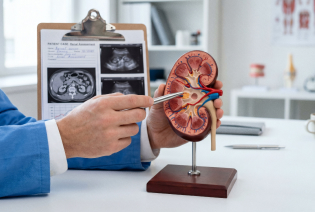
How Apollo Helps You Protect Kidney Health
At Apollo Hospitals, kidney care extends beyond routine testing and diagnosis. Our nephrology and preventive health teams provide comprehensive evaluation, treatment, and long-term monitoring for kidney-related conditions.
image
Kidney Function Assessment

Comprehensive investigations help identify underlying causes of reduced kidney function.

image
Chronic Kidney Disease Management

Apollo specialists provide personalised care plans for all stages of CKD.

image
Diabetes and Hypertension Management

Managing underlying medical conditions is essential for preserving kidney health.
image
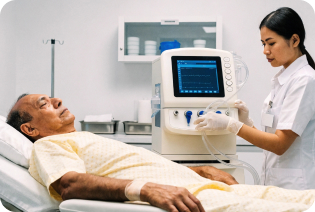
Dialysis Services

Advanced renal replacement therapies are available when kidney function becomes severely impaired.

image
Kidney Transplant Care

Apollo offers comprehensive kidney transplant evaluation, surgery, and post-transplant follow-up.


When Should You 
Consult a Doctor?

Consider consulting a healthcare professional if you:

  • Have diabetes or prediabetes
  • Have high blood pressure
  • Have a family history of kidney disease
  • Notice swelling of the feet, ankles, or face
  • Experience persistent fatigue
  • Observe changes in urination frequency or appearance
  • Have abnormal kidney function test results
  • Have recurrent kidney stones or urinary tract infections

Early medical evaluation may help identify kidney problems before significant damage occurs.

Frequently Asked Questions

Find answers to common questions about our services, treatments, appointments, and patient care options to help you make informed health decisions.
1 What is GFR?
icon icon

GFR (Glomerular Filtration Rate) measures how efficiently the kidneys filter waste products from the blood.

2 What is eGFR?
icon icon

eGFR is an estimated value calculated using serum creatinine and other personal factors to assess kidney function.

3 What is considered a normal GFR?
icon icon

A GFR of 90 mL/min/1.73 m² or higher is generally considered normal in the absence of other signs of kidney disease.

4 Can GFR decline with age?
icon icon

Yes. Kidney function naturally decreases gradually with ageing.

5 Does diabetes affect GFR?
icon icon

Yes. Diabetes is one of the most common causes of chronic kidney disease and can reduce GFR over time.

6 Can high blood pressure damage the kidneys?
icon icon

Yes. Poorly controlled hypertension can impair kidney function and lower GFR.

7 Is a low GFR always serious?
icon icon

Not necessarily. Mild reductions may occur with ageing, but persistent low GFR levels should be evaluated by a healthcare professional.

8 How often should kidney function be checked?
icon icon

Individuals with diabetes, hypertension, cardiovascular disease, or known kidney problems may require regular kidney function monitoring.

9 Can kidney disease be prevented?
icon icon

Many cases can be delayed or prevented through healthy lifestyle choices, blood pressure control, blood sugar management, and regular medical screening.

10 Need Personalised Kidney Care Advice?
icon icon

Get expert nephrology and kidney-health support from Apollo Hospitals.

View All
icon
Other Calculators
Pregnancy Calculator
A Pregnancy Calculator is a simple tool that helps estimate how far along a pregnancy is and predicts the expected due date (EDD)
TDEE  Calculator
TDEE Calculator
A TDEE (Total Daily Energy Expenditure) Calculator is a tool that estimates how many calories your body burns each day.
Ovulation Calculator
An Ovulation Calculator is a simple tool that estimates when an ovary is likely to release an egg during a menstrual cycle.
Calorie Calculator
Calorie Calculator
A calorie calculator is a useful tool that helps estimate the number of calories your body needs each day to maintain, lose, or gain weight.
GFR Calculator
GFR Calculator
The Glomerular Filtration Rate (GFR) is one of the most important indicators of kidney function.
Period Calculator
Period Calculator
Track Your Menstrual Cycle Online.
BMI Calculator
BMI Calculator
Quickly check if your weight is healthy for your height using Body Mass Index.
Color Vision Test
Color Vision Test
A quick screening to check how accurately you perceive colors
BMR Calculator
BMR Calculator
Calculate your Basal Metabolic Rate to know how many calories your body needs at rest
Body Fat Calculator
Body Fat Calculator
Quickly check if your weight is healthy for your height using Body Fat Calculator.
image image image
Request a Callback
Request A Call Back
Request Type
Image
Doctor
Book Appointment
Appointments
View Book Appointment
Image
Hospitals
Find Hospital
Hospitals
View Find Hospital
Chat
Image
health-checkup
Book Health Checkup
Health Checks
View Book Health Checkup
Image
phone
Call Us
Call Us
View Call Us
Image
Doctor
Book Appointment
Appointments
View Book Appointment
Image
Hospitals
Find Hospital
Hospitals
View Find Hospital
Image
health-checkup
Book Health Checkup
Health Checks
View Book Health Checkup
Image
phone
Call Us
Call Us
View Call Us