


Image


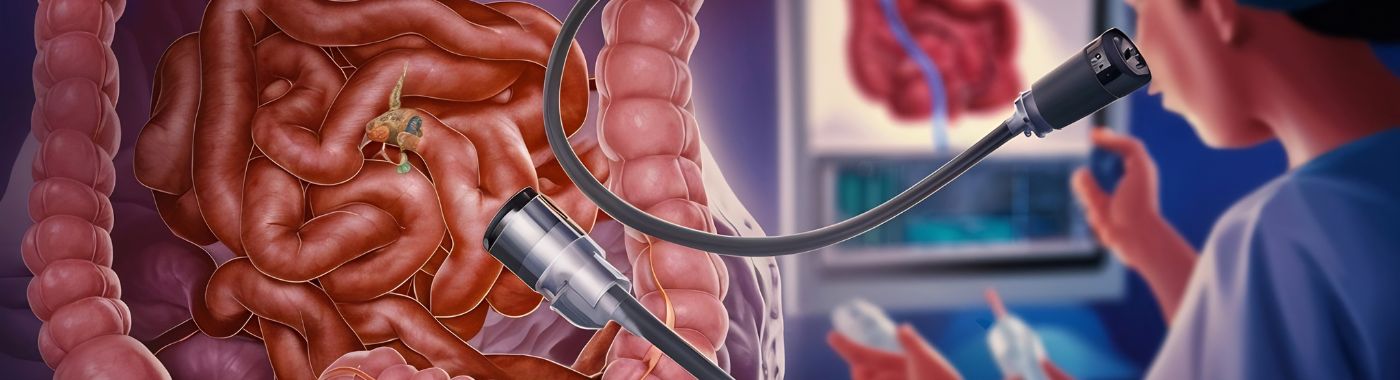
Colonoscopy is a medical procedure that allows healthcare providers to examine the inner lining of the large intestine, which includes the rectum and colon. This examination is performed using a flexible tube called a colonoscope, equipped with a light and camera. The colonoscope is inserted through the rectum and advanced through the colon, providing real-time images of the intestinal lining.
The primary purpose of a colonoscopy is to detect abnormalities in the colon, such as polyps, tumors, inflammation, or bleeding. It is a crucial tool in the early detection and prevention of colorectal cancer, one of the leading causes of cancer-related deaths. By identifying and removing polyps during the procedure, healthcare providers can significantly reduce the risk of developing colorectal cancer.
Colonoscopy is also used to diagnose various gastrointestinal conditions, including inflammatory bowel disease (IBD), Crohn's disease, and ulcerative colitis. Additionally, it can help investigate symptoms such as unexplained abdominal pain, rectal bleeding, or changes in bowel habits.
Colonoscopy is typically recommended for individuals experiencing specific symptoms or conditions that warrant further investigation. Common reasons for undergoing a colonoscopy include:
1.Rectal Bleeding: If a patient experiences blood in their stool or rectal bleeding, a colonoscopy can help identify the source of the bleeding, whether it be hemorrhoids, polyps, or more serious conditions like cancer.
2.Unexplained Abdominal Pain: Persistent abdominal pain that cannot be attributed to other causes may lead a physician to recommend a colonoscopy to rule out serious gastrointestinal issues.
3.Changes in Bowel Habits: Significant changes in bowel habits, such as diarrhea or constipation lasting more than a few weeks, may prompt a colonoscopy to investigate underlying causes.
4.Family History of Colorectal Cancer: Individuals with a family history of colorectal cancer or polyps may be advised to undergo regular colonoscopies as a preventive measure, even if they do not exhibit symptoms.
5.Screening for Colorectal Cancer: For average-risk individuals, screening colonoscopies are recommended starting at age 45, or earlier for those with risk factors. This proactive approach aims to detect precancerous polyps before they develop into cancer.
6.Monitoring Inflammatory Bowel Disease: Patients diagnosed with IBD may require regular colonoscopies to monitor the condition and assess the effectiveness of treatment.
7.Follow-Up on Abnormal Imaging: If other imaging tests, such as a CT scan or MRI, reveal abnormalities in the colon, a colonoscopy may be necessary for further evaluation.
Several clinical situations and findings can indicate the need for a colonoscopy. These include:
-Positive Fecal Occult Blood Test (FOBT): If a stool test indicates the presence of blood, a colonoscopy is often recommended to determine the cause.
-Abnormal Imaging Results: Findings from imaging studies, such as polyps or masses detected on a CT scan, may necessitate a colonoscopy for further investigation.
-History of Polyps: Patients with a history of colorectal polyps are at increased risk for developing new polyps or colorectal cancer, making regular colonoscopies essential for monitoring.
- Symptoms of IBD: Patients presenting with symptoms consistent with inflammatory bowel disease, such as chronic diarrhea, abdominal pain, and weight loss, may require a colonoscopy for diagnosis and management.
- Age and Risk Factors: Individuals over the age of 45, or those with a family history of colorectal cancer or genetic syndromes associated with increased risk, are often advised to undergo screening colonoscopies.
-Surveillance After Cancer Treatment: Patients who have been treated for colorectal cancer may need regular colonoscopies to monitor for recurrence.
While there are no distinct subtypes of colonoscopy, there are variations in technique and purpose that are clinically recognized. These include:
1.Diagnostic Colonoscopy: This is the standard procedure performed to investigate symptoms or abnormalities. It aims to diagnose conditions affecting the colon and rectum.
2.Screening Colonoscopy: This type is performed on asymptomatic individuals to detect precancerous polyps or colorectal cancer early. It is a preventive measure recommended for average-risk individuals starting at age 45.
3.Therapeutic Colonoscopy: In some cases, colonoscopy is used not only for diagnosis but also for treatment. During the procedure, healthcare providers can remove polyps, take biopsies, or treat bleeding lesions.
4.Virtual Colonoscopy: Also known as CT colonography, this is a non-invasive imaging technique that uses CT scans to create a virtual image of the colon. While it is not a substitute for traditional colonoscopy, it can be used for screening in patients who cannot undergo the standard procedure.
In conclusion, colonoscopy is a vital procedure for diagnosing and preventing serious gastrointestinal conditions, particularly colorectal cancer. Understanding the reasons for the procedure, the indications for its use, and the types of colonoscopy available can empower patients to engage in proactive health management. Regular screenings and timely interventions can lead to better outcomes and improved quality of life.
While colonoscopy is a valuable tool for diagnosing and preventing colorectal issues, certain conditions or factors may make a patient unsuitable for the procedure. Understanding these contraindications is crucial for both patients and healthcare providers to ensure safety and effectiveness.
1.Severe Cardiopulmonary Disease: Patients with significant heart or lung conditions may be at increased risk during sedation and the procedure itself. Conditions such as severe chronic obstructive pulmonary disease (COPD) or unstable angina can complicate the process.
2.Bowel Obstruction: If a patient has a complete or partial bowel obstruction, performing a colonoscopy can be dangerous. The procedure may exacerbate the obstruction or lead to perforation of the bowel.
3.Recent Bowel Surgery: Individuals who have undergone recent bowel surgery may not be suitable candidates for colonoscopy. The healing process can be compromised, and the risk of complications increases.
4.Active Gastrointestinal Bleeding: Patients experiencing active bleeding from the gastrointestinal tract may not be appropriate candidates for colonoscopy until the bleeding is controlled. The procedure could worsen the bleeding or complicate the diagnosis.
5.Severe Inflammatory Bowel Disease (IBD): In cases of severe ulcerative colitis or Crohn's disease, the colon may be too inflamed to safely perform a colonoscopy. In such situations, alternative diagnostic methods may be considered.
6.Allergic Reactions to Sedatives: If a patient has a known allergy to the sedatives typically used during colonoscopy, this could pose a significant risk. Alternative sedation methods or anesthesia may need to be explored.
7.Pregnancy: While not an absolute contraindication, colonoscopy during pregnancy is approached with caution. The risks to both the mother and fetus must be carefully weighed.
8.Inability to Follow Instructions: Patients who cannot follow pre-procedure instructions, such as dietary restrictions or bowel preparation, may not be suitable candidates. Proper preparation is essential for a successful colonoscopy.
9.Severe Dehydration or Electrolyte Imbalance: Patients with significant dehydration or imbalances in electrolytes may face increased risks during the procedure. These conditions should be addressed prior to scheduling a colonoscopy.
10.Certain Medications: Some medications, particularly anticoagulants or blood thinners, may need to be adjusted or temporarily stopped before the procedure. Patients should discuss their medication history with their healthcare provider.
Preparation for a colonoscopy is a critical step that ensures the procedure is safe and effective. Proper preparation helps to clear the colon of any stool, allowing for a clear view of the intestinal lining. Here’s a comprehensive guide on how to prepare for a colonoscopy:
1.Dietary Changes: About three days before the procedure, patients are typically advised to switch to a low-fiber diet. This includes avoiding whole grains, nuts, seeds, and raw fruits and vegetables. Instead, opt for white bread, rice, and well-cooked vegetables.
2.Clear Liquid Diet: The day before the colonoscopy, patients will need to follow a clear liquid diet. This includes water, broth, clear juices (without pulp), and gelatin. Avoid any liquids that are red or purple, as they can be mistaken for blood during the procedure.
3.Bowel Preparation: Patients will be prescribed a bowel preparation solution, which is a laxative that helps to cleanse the colon. This solution is usually taken the evening before the procedure and may require drinking a large volume of liquid. It’s essential to follow the instructions carefully to ensure the colon is adequately prepared.
4.Hydration: Staying hydrated is crucial during the preparation phase. Patients should drink plenty of clear fluids to prevent dehydration, especially after taking the bowel prep solution.
5.Medications: Patients should inform their healthcare provider about all medications they are taking. Some medications, particularly blood thinners, may need to be adjusted before the procedure. Follow the provider's instructions regarding which medications to take or skip.
6.Transportation Arrangements: Since sedation is typically used during a colonoscopy, patients will need someone to drive them home afterward. It’s important to arrange for transportation in advance.
7.Clothing and Comfort: On the day of the procedure, wear comfortable, loose-fitting clothing. Patients may be asked to change into a hospital gown, but comfortable clothing can help ease any anxiety.
8.Arrive Early: Patients should arrive at the facility early to allow time for check-in and any necessary pre-procedure assessments. This also provides an opportunity to ask any last-minute questions.
9.Discuss Concerns: If patients have any concerns or questions about the procedure, they should discuss them with their healthcare provider beforehand. Understanding what to expect can help alleviate anxiety.
10.Follow Specific Instructions: Each healthcare provider may have specific instructions based on individual health needs. It’s essential to follow these instructions closely for a successful colonoscopy.
Understanding what to expect during a colonoscopy can help ease anxiety and prepare patients for the experience. Here’s a step-by-step overview of the procedure:
1.Arrival and Check-In: Upon arrival at the facility, patients will check in and complete any necessary paperwork. They may also be asked to provide a brief medical history and confirm their understanding of the procedure.
2.Preparation Room: Patients will be taken to a preparation room where they will change into a hospital gown. A nurse will start an intravenous (IV) line to administer sedation and fluids during the procedure.
3.Sedation: Once in the procedure room, patients will receive sedation through the IV. This helps them relax and minimizes discomfort during the colonoscopy. Patients may feel drowsy and may not remember much of the procedure.
4.Positioning: Patients will lie on their left side with their knees drawn up toward their chest. This position allows for easier access to the colon.
5.Insertion of the Colonoscope: The doctor will gently insert a colonoscope, a long, flexible tube with a camera and light, into the rectum and guide it through the colon. The colonoscope allows the doctor to visualize the lining of the colon and rectum.
6.Air Inflation: To get a better view, air may be introduced into the colon. This can cause a feeling of fullness or cramping, but it is usually temporary.
7.Examination and Biopsy: As the colonoscope is advanced, the doctor will examine the colon for any abnormalities, such as polyps or inflammation. If necessary, small tissue samples (biopsies) may be taken for further analysis.
8.Polyp Removal: If polyps are found, they can often be removed during the procedure using specialized tools passed through the colonoscope. This is a common practice and can help prevent colorectal cancer.
9.Completion of the Procedure: Once the examination is complete, the colonoscope is slowly withdrawn. The entire procedure typically takes about 30 to 60 minutes.
10.Recovery: After the procedure, patients will be taken to a recovery area where they will be monitored as the sedation wears off. It’s common to feel groggy or experience mild cramping.
11.Post-Procedure Instructions: Once patients are awake and stable, the healthcare team will provide post-procedure instructions. This may include dietary recommendations and information on when to expect results from any biopsies taken.
12.Transportation Home: Since patients will have received sedation, they will need someone to drive them home. It’s important to avoid driving or operating heavy machinery for the rest of the day.
While colonoscopy is generally considered safe, like any medical procedure, it carries some risks. Understanding these risks can help patients make informed decisions about their health. Here are both common and rare risks associated with colonoscopy:
1.Common Risks:
- Discomfort or Cramping: Many patients experience mild discomfort or cramping during and after the procedure, which usually resolves quickly.
- Bloating: The introduction of air into the colon can lead to temporary bloating, which typically subsides shortly after the procedure.
- Sedation Side Effects: Some patients may experience side effects from sedation, such as drowsiness, nausea, or a headache.
2. Rare Risks:
- Perforation: In rare cases, the colonoscope can cause a tear in the wall of the colon, leading to perforation. This is a serious complication that may require surgical intervention.
- Bleeding: If polyps are removed or biopsies are taken, there is a small risk of bleeding. Most bleeding is minor and resolves on its own, but some cases may require additional treatment.
- Infection: Although rare, there is a risk of infection following a colonoscopy, particularly if a biopsy or polyp removal is performed.
- Adverse Reactions to Sedation: Some patients may have an allergic reaction or other adverse effects related to the sedatives used during the procedure.
3.Long-Term Risks:
- Missed Lesions: While colonoscopy is highly effective, there is a small chance that some polyps or lesions may be missed during the examination.
- Need for Repeat Procedures: Depending on the findings, patients may require follow-up colonoscopies, which can carry their own risks.
In conclusion, while colonoscopy is a safe and effective procedure for screening and diagnosing colorectal issues, it is essential for patients to be aware of the contraindications, preparation steps, and potential risks involved. By understanding these aspects, patients can approach the procedure with confidence and clarity, ensuring a smoother experience and better health outcomes.
After undergoing a colonoscopy, patients can expect a relatively quick recovery, although individual experiences may vary. Most patients are monitored for a short period in the recovery room before being discharged. The typical recovery timeline is as follows:
1.Immediate Recovery (0-2 hours post-procedure): After the procedure, you will be taken to a recovery area where medical staff will monitor your vital signs and ensure you are stable. You may feel groggy from the sedatives used during the procedure.
2. First 24 hours: It’s common to experience mild cramping or bloating due to the air introduced into the colon during the procedure. You may also notice some blood in your stool, especially if polyps were removed. This should resolve within a day or two. Rest is essential during this period, and you should avoid strenuous activities.
3.1-3 days post-procedure: Most patients can return to their normal diet within a day, but it’s advisable to start with light meals. Gradually reintroduce your regular diet as tolerated. If you experience severe pain, excessive bleeding, or any unusual symptoms, contact your healthcare provider immediately.
4.1 week post-procedure: Most patients can resume normal activities, including work and exercise, within a few days. However, if you had polyps removed or biopsies taken, your doctor may provide specific instructions regarding activity levels.
Aftercare Tips:
- Stay hydrated and consume a balanced diet to aid recovery.
- Avoid alcohol and heavy meals for at least 24 hours post-procedure.
- Follow any specific dietary recommendations provided by your healthcare provider.
- Keep an eye on your symptoms and report any concerning changes.
Colonoscopy is a vital procedure that offers numerous health benefits, significantly improving patient outcomes and quality of life. Here are some key advantages:
1.Early Detection of Colorectal Cancer: Colonoscopy is the gold standard for screening and detecting colorectal cancer at its earliest stages. Early detection can lead to more effective treatment and a higher chance of survival.
2.Polyp Removal: During a colonoscopy, polyps can be identified and removed before they develop into cancer. This preventive measure significantly reduces the risk of colorectal cancer.
3. Diagnosis of Gastrointestinal Disorders: Colonoscopy allows for the diagnosis of various gastrointestinal conditions, such as inflammatory bowel disease (IBD), diverticulitis, and infections. This can lead to timely and appropriate treatment.
4.Improved Quality of Life: By addressing potential issues early, colonoscopy can alleviate symptoms such as abdominal pain, bleeding, and changes in bowel habits, leading to an overall improvement in quality of life.
5.Minimal Recovery Time: Most patients can return to their daily activities shortly after the procedure, making it a convenient option for many.
While colonoscopy is the standard procedure for colorectal screening, CT colonography (also known as virtual colonoscopy) is a non-invasive alternative. Here’s a comparison of the two:
| Feature | Colonoscopy | CT Colonography |
|---|---|---|
| Invasiveness | Invasive, requires sedation | Non-invasive, no sedation needed |
| Diagnostic Capability | Direct visualization and biopsy | Imaging only, no biopsy possible |
| Preparation | Requires bowel prep | Requires bowel prep |
| Recovery Time | Short recovery, sedation effects | No sedation, quicker recovery |
| Polyp Removal | Yes | No |
| Cancer Detection Rate | Higher detection rate | Lower detection rate |
| Cost | Generally higher | Generally lower |
The cost of a diagnostic colonoscopy in India generally ranges from Rs 3,000 to Rs 15,000 at most hospitals, depending on the city, type of hospital (government vs. private), and whether sedation is used.
If additional procedures such as polypectomy (polyp removal) or biopsy are performed during the colonoscopy, the cost may range from Rs 10,000 to Rs 25,000.
Colonoscopy is covered by most health insurance plans in India when medically indicated. Check with your insurer for specific coverage details.
Contact Apollo Hospitals for current pricing at your nearest centre.
1. What should I eat before my colonoscopy?
Before your colonoscopy, it’s essential to follow a clear liquid diet for at least 24 hours. This includes water, broth, and clear juices. Avoid solid foods and anything with red or purple dye. Following these guidelines helps ensure a clear view during the colonoscopy.
2.Can I take my regular medications before a colonoscopy?
It’s crucial to discuss your medications with your doctor before the colonoscopy. Some medications, especially blood thinners, may need to be adjusted. Always follow your healthcare provider's instructions regarding medication management.
3.Is colonoscopy safe for elderly patients?
Yes, colonoscopy is generally safe for elderly patients. However, it’s essential to assess their overall health and any comorbidities. Apollo Hospitals has specialized teams to ensure the safety and comfort of elderly patients during the procedure.
4.Can pregnant women undergo a colonoscopy?
Colonoscopy is usually avoided during pregnancy unless absolutely necessary. If you are pregnant and experiencing gastrointestinal issues, consult your healthcare provider for alternative diagnostic options.
5.What if my child needs a colonoscopy?
Pediatric colonoscopy is performed under sedation, and the procedure is similar to that in adults. It’s essential to discuss any concerns with your child’s pediatrician and ensure they are comfortable throughout the process.
6.How does obesity affect colonoscopy?
Obesity can complicate colonoscopy due to increased difficulty in visualization and potential for longer procedure times. However, colonoscopy is still safe and necessary for obese patients. Discuss any concerns with your healthcare provider.
7.What dietary changes should I make after a colonoscopy?
After a colonoscopy, start with light meals and gradually reintroduce your regular diet. Focus on high-fiber foods to promote healthy digestion. Stay hydrated and avoid heavy or greasy foods for the first 24 hours.
8.Can I drive myself home after a colonoscopy?
No, you should not drive yourself home after a colonoscopy due to the sedatives used during the procedure. Arrange for a responsible adult to accompany you home.
9.What are the risks associated with colonoscopy?
While colonoscopy is generally safe, risks include bleeding, perforation of the colon, and adverse reactions to sedation. Discuss these risks with your healthcare provider to understand your specific situation.
10.How often should I have a colonoscopy?
The frequency of colonoscopy depends on your risk factors and family history. Generally, it is recommended every 10 years for average-risk individuals starting at age 45. Consult your doctor for personalized recommendations.
11. What if I have diabetes?
If you have diabetes, inform your healthcare provider before the colonoscopy. You may need to adjust your medication or insulin regimen, especially if you are on a restricted diet before the procedure.
12.Is colonoscopy painful?
Most patients experience minimal discomfort during a colonoscopy due to sedation. Some may feel cramping or bloating afterward, but this typically resolves quickly. Discuss any concerns about pain management with your doctor.
13.Can I have a colonoscopy if I have hypertension?
Yes, having hypertension does not prevent you from having a colonoscopy. However, it’s essential to manage your blood pressure and inform your healthcare provider about your condition before the procedure.
14. What if I have a history of gastrointestinal surgeries?
If you have had previous gastrointestinal surgeries, inform your doctor. They may need to take special precautions during the colonoscopy to ensure safety and effectiveness.
15. How do I prepare for a colonoscopy?
Preparation involves following a clear liquid diet and taking prescribed laxatives to cleanse your bowel. Adhering to these instructions is crucial for a successful procedure.
16. What should I do if I experience severe pain after a colonoscopy?
If you experience severe pain, excessive bleeding, or any concerning symptoms after your colonoscopy, contact your healthcare provider immediately for evaluation.
17. Can I eat solid food the day after my colonoscopy?
Yes, most patients can resume eating solid foods the day after their colonoscopy. Start with light meals and gradually return to your regular diet as tolerated.
18. Is colonoscopy necessary if I have no symptoms?
Yes, colonoscopy is recommended as a preventive measure, even if you have no symptoms. Early detection of colorectal cancer can significantly improve outcomes.
19.What if I have a family history of colorectal cancer?
If you have a family history of colorectal cancer, you may need to start screening earlier than the standard age. Discuss your family history with your healthcare provider for personalized recommendations.
20.How does colonoscopy in India compare to other countries?
Colonoscopy in India is often more affordable than in Western countries while maintaining high standards of care. Apollo Hospitals provide quality services with experienced professionals, making it a viable option for patients seeking screening and treatment.
Colonoscopy is a crucial procedure for maintaining gastrointestinal health and preventing colorectal cancer. With its numerous benefits, including early detection and polyp removal, it plays a significant role in improving patient outcomes. If you have concerns or questions about the procedure, it’s essential to speak with a medical professional who can provide personalized guidance and support. Prioritize your health and consider scheduling a colonoscopy if you meet the screening criteria.





The information provided on this page is intended for general informational and educational purposes only. While we make reasonable efforts to ensure that the information is accurate, reliable, and regularly reviewed, it should not be considered a substitute for professional medical advice, diagnosis, or treatment.
The suitability of a medical procedure, along with its benefits, risks, preparation, recovery, potential complications, and expected outcomes, may vary from person to person. Your healthcare professional will determine whether a procedure is appropriate based on your individual condition and medical history.
Please consult a qualified healthcare professional for personalized advice before making decisions regarding any medical procedure.
For more information about how our medical content is created, reviewed, updated, and maintained, please read our [Editorial Policy].
Disclaimer: This information is for educational purposes only and not a substitute for professional medical advice. Always consult your doctor for medical concerns.



 Best Hospital Near me Chennai
Best Hospital Near me Bangalore
Best Hospital Near me Hyderabad
Best Hospital Near me Mumbai
Best Hospital Near me Delhi
Best Hospital Near me Kolkata
Best Hospital Near me Pune
Best Hospital Near me Ahmedabad
Best Hospital Near me Bhubaneswar
Best Hospital Near me Bilaspur
Best Hospital Near me Guwahati
Best Hospital Near me Indore
Best Hospital Near me Kochi
Best Hospital Near me Lucknow
Best Hospital Near me Madurai
Best Hospital Near me Mysore
Best Hospital Near me Nashik
Best Hospital Near me Noida
Best Hospital Near me Rourkela
Best Hospital Near me Visakhapatnam
Cardiologist Near me in Chennai
Cardiologist Near me in Bangalore
Cardiologist Near me in Hyderabad
Cardiologist Near me in Mumbai
Cardiologist Near me in Delhi
Cardiologist Near me in Kolkata
Cardiologist Near me in Pune
Cardiologist Near me in Ahmedabad
Cardiologist Near me in Bhubaneswar
Cardiologist Near me in Bilaspur
Cardiologist Near me in Guwahati
Cardiologist Near me in Indore
Cardiologist Near me in Kochi
Cardiologist Near me in Lucknow
Cardiologist Near me in Madurai
Cardiologist Near me in Mysore
Cardiologist Near me in Nashik
Cardiologist Near me in Noida
Cardiologist Near me in Rourkela
Cardiologist Near me in Visakhapatnam
Neurologist Near me in Chennai
Neurologist Near me in Bangalore
Neurologist Near me in Hyderabad
Neurologist Near me in Mumbai
Neurologist Near me in Delhi
Neurologist Near me in Kolkata
Neurologist Near me in Ahmedabad
Neurologist Near me in Bhubaneswar
Neurologist Near me in Bilaspur
Neurologist Near me in Guwahati
Neurologist Near me in Indore
Neurologist Near me in Kochi
Neurologist Near me in Lucknow
Neurologist Near me in Madurai
Neurologist Near me in Mysore
Neurologist Near me in Nashik
Neurologist Near me in Noida
Neurologist Near me in Rourkela
Neurologist Near me in Visakhapatnam
Orthopedician Near me in Chennai
Orthopedician Near me in Bangalore
Orthopedician Near me in Hyderabad
Orthopedician Near me in Mumbai
Orthopedician Near me in Delhi
Orthopedician Near me in Kolkata
Orthopedician Near me in Pune
Orthopedician Near me in Ahmedabad
Orthopedician Near me in Bhubaneswar
Orthopedician Near me in Bilaspur
Orthopedician Near me in Guwahati
Orthopedician Near me in Indore
Orthopedician Near me in Kochi
Orthopedician Near me in Lucknow
Orthopedician Near me in Madurai
Orthopedician Near me in Mysore
Orthopedician Near me in Nashik
Orthopedician Near me in Noida
Orthopedician Near me in Rourkela
Orthopedician Near me in Visakhapatnam
Oncologist Near me in Chennai
Oncologist Near me in Bangalore
Oncologist Near me in Hyderabad
Oncologist Near me in Mumbai
Oncologist Near me in Delhi
Oncologist Near me in Kolkata
Oncologist Near me in Pune
Oncologist Near me in Ahmedabad
Oncologist Near me in Bhubaneswar
Oncologist Near me in Bilaspur
Oncologist Near me in Guwahati
Oncologist Near me in Indore
Oncologist Near me in Kochi
Oncologist Near me in Lucknow
Oncologist Near me in Madurai
Oncologist Near me in Mysore
Oncologist Near me in Nashik
Oncologist Near me in Noida
Oncologist Near me in Rourkela
Gastroenterologist Near me in Chennai
Gastroenterologist Near me in Bangalore
Gastroenterologist Near me in Hyderabad
Gastroenterologist Near me in Mumbai
Gastroenterologist Near me in Delhi
Gastroenterologist Near me in Kolkata
Gastroenterologist Near me in Pune
Gastroenterologist Near me in Ahmedabad
Gastroenterologist Near me in Bhubaneswar
Gastroenterologist Near me in Bilaspur
Gastroenterologist Near me in Guwahati
Gastroenterologist Near me in Indore
Gastroenterologist Near me in Kochi
Gastroenterologist Near me in Lucknow
Gastroenterologist Near me in Madurai
Gastroenterologist Near me in Mysore
Gastroenterologist Near me in Nashik
Gastroenterologist Near me in Noida
Gastroenterologist Near me in Rourkela
Gastroenterologist Near me in Visakhapatnam
Transplant Surgeon Near me in Chennai
Transplant Surgeon Near me in Bangalore
Transplant Surgeon Near me in Hyderabad
Transplant Surgeon Near me in Mumbai
Transplant Surgeon Near me in Delhi
Transplant Surgeon Near me in Kolkata
Transplant Surgeon Near me in Indore
Transplant Surgeon Near me in Kochi
Transplant Surgeon Near me in Lucknow
Transplant Surgeon Near me in Mysore
ENT Specialist Near me in Chennai
ENT Specialist Near me in Bangalore
ENT Specialist Near me in Hyderabad
ENT Specialist Near me in Mumbai
ENT Specialist Near me in Delhi
ENT Specialist Near me in Kolkata
ENT Specialist Near me in Pune
ENT Specialist Near me in Ahmedabad
ENT Specialist Near me in Bhubaneswar
ENT Specialist Near me in Bilaspur
ENT Specialist Near me in Guwahati
ENT Specialist Near me in Indore
ENT Specialist Near me in Kochi
ENT Specialist Near me in Lucknow
ENT Specialist Near me in Madurai
ENT Specialist Near me in Mysore
ENT Specialist Near me in Nashik
ENT Specialist Near me in Noida
ENT Specialist Near me in Rourkela
ENT Specialist Near me in Visakhapatnam
Pulmonologist Near me in Chennai
Pulmonologist Near me in Bangalore
Pulmonologist Near me in Hyderabad
Pulmonologist Near me in Mumbai
Pulmonologist Near me in Delhi
Pulmonologist Near me in Kolkata
Pulmonologist Near me in Ahmedabad
Pulmonologist Near me in Bhubaneswar
Pulmonologist Near me in Bilaspur
Pulmonologist Near me in Guwahati
Pulmonologist Near me in Indore
Pulmonologist Near me in Kochi
Pulmonologist Near me in Lucknow
Pulmonologist Near me in Madurai
Pulmonologist Near me in Mysore
Pulmonologist Near me in Nashik
Pulmonologist Near me in Noida
Pulmonologist Near me in Rourkela
Pulmonologist Near me in Visakhapatnam
Dentist Near me in Chennai
Dentist Near me in Bangalore
Dentist Near me in Hyderabad
Dentist Near me in Delhi
Dentist Near me in Kolkata
Dentist Near me in Ahmedabad
Dentist Near me in Bhubaneswar
Dentist Near me in Bilaspur
Dentist Near me in Guwahati
Dentist Near me in Kochi
Dentist Near me in Lucknow
Dentist Near me in Madurai
Dentist Near me in Nashik
Dentist Near me in Noida
Dentist Near me in Rourkela
Dentist Near me in Visakhapatnam
Pediatrician Near me in Chennai
Pediatrician Near me in Bangalore
Pediatrician Near me in Hyderabad
Pediatrician Near me in Mumbai
Pediatrician Near me in Delhi
Pediatrician Near me in Kolkata
Pediatrician Near me in Pune
Pediatrician Near me in Ahmedabad
Pediatrician Near me in Bhubaneswar
Pediatrician Near me in Bilaspur
Pediatrician Near me in Guwahati
Pediatrician Near me in Indore
Pediatrician Near me in Kochi
Pediatrician Near me in Lucknow
Pediatrician Near me in Madurai
Pediatrician Near me in Mysore
Pediatrician Near me in Nashik
Pediatrician Near me in Noida
Pediatrician Near me in Visakhapatnam
Dermatologist Near me in Chennai
Dermatologist Near me in Bangalore
Dermatologist Near me in Hyderabad
Dermatologist Near me in Delhi
Dermatologist Near me in Kolkata
Dermatologist Near me in Ahmedabad
Dermatologist Near me in Bhubaneswar
Dermatologist Near me in Bilaspur
Dermatologist Near me in Guwahati
Dermatologist Near me in Indore
Dermatologist Near me in Kochi
Dermatologist Near me in Lucknow
Dermatologist Near me in Madurai
Dermatologist Near me in Mysore
Dermatologist Near me in Noida
Dermatologist Near me in Visakhapatnam
Urologist Near me in Chennai
Urologist Near me in Bangalore
Urologist Near me in Hyderabad
Urologist Near me in Delhi
Urologist Near me in Kolkata
Urologist Near me in Pune
Urologist Near me in Ahmedabad
Urologist Near me in Bhubaneswar
Urologist Near me in Bilaspur
Urologist Near me in Guwahati
Urologist Near me in Indore
Urologist Near me in Kochi
Urologist Near me in Lucknow
Urologist Near me in Madurai
Urologist Near me in Mysore
Urologist Near me in Nashik
Urologist Near me in Noida
Urologist Near me in Rourkela
Urologist Near me in Visakhapatnam
Endocrinologist and Diabetologist Near me in Chennai
Endocrinologist and Diabetologist Near me in Bangalore
Endocrinologist and Diabetologist Near me in Hyderabad
Endocrinologist and Diabetologist Near me in Mumbai
Endocrinologist and Diabetologist Near me in Delhi
Endocrinologist and Diabetologist Near me in Kolkata
Endocrinologist and Diabetologist Near me in Pune
Endocrinologist and Diabetologist Near me in Ahmedabad
Endocrinologist and Diabetologist Near me in Bhubaneswar
Endocrinologist and Diabetologist Near me in Bilaspur
Endocrinologist and Diabetologist Near me in Guwahati
Endocrinologist and Diabetologist Near me in Indore
Endocrinologist and Diabetologist Near me in Kochi
Endocrinologist and Diabetologist Near me in Lucknow
Endocrinologist and Diabetologist Near me in Madurai
Endocrinologist and Diabetologist Near me in Mysore
Endocrinologist and Diabetologist Near me in Noida
Endocrinologist and Diabetologist Near me in Rourkela
Endocrinologist and Diabetologist Near me in Visakhapatnam
Gynecologist Near me in Chennai
Gynecologist Near me in Bangalore
Gynecologist Near me in Hyderabad
Gynecologist Near me in Mumbai
Gynecologist Near me in Delhi
Gynecologist Near me in Kolkata
Gynecologist Near me in Ahmedabad
Gynecologist Near me in Bhubaneswar
Gynecologist Near me in Bilaspur
Gynecologist Near me in Guwahati
Gynecologist Near me in Indore
Gynecologist Near me in Kochi
Gynecologist Near me in Lucknow
Gynecologist Near me in Madurai
Gynecologist Near me in Mysore
Gynecologist Near me in Nashik
Gynecologist Near me in Noida
Gynecologist Near me in Rourkela
Gynecologist Near me in Visakhapatnam
General Physician Near me in Chennai
General Physician Near me in Bangalore
General Physician Near me in Hyderabad
General Physician Near me in Mumbai
General Physician Near me in Delhi
General Physician Near me in Kolkata
General Physician Near me in Pune
General Physician Near me in Ahmedabad
General Physician Near me in Bhubaneswar
General Physician Near me in Bilaspur
General Physician Near me in Guwahati
General Physician Near me in Indore
General Physician Near me in Kochi
General Physician Near me in Lucknow
General Physician Near me in Madurai
General Physician Near me in Mysore
General Physician Near me in Nashik
General Physician Near me in Noida
General Physician Near me in Visakhapatnam
Psychologist Near me in Chennai
Psychologist Near me in Bangalore
Psychologist Near me in Hyderabad
Psychologist Near me in Mumbai
Psychologist Near me in Delhi
Psychologist Near me in Kolkata
Psychologist Near me in Ahmedabad
Psychologist Near me in Bhubaneswar
Psychologist Near me in Bilaspur
Psychologist Near me in Guwahati
Psychologist Near me in Indore
Psychologist Near me in Kochi
Psychologist Near me in Lucknow
Psychologist Near me in Madurai
Psychologist Near me in Mysore
Psychologist Near me in Nashik
Psychologist Near me in Noida
Psychologist Near me in Visakhapatnam
General Surgeon Near me in Chennai
General Surgeon Near me in Bangalore
General Surgeon Near me in Hyderabad
General Surgeon Near me in Mumbai
General Surgeon Near me in Delhi
General Surgeon Near me in Kolkata
General Surgeon Near me in Pune
General Surgeon Near me in Ahmedabad
General Surgeon Near me in Bhubaneswar
General Surgeon Near me in Bilaspur
General Surgeon Near me in Guwahati
General Surgeon Near me in Indore
General Surgeon Near me in Lucknow
General Surgeon Near me in Madurai
General Surgeon Near me in Mysore
General Surgeon Near me in Nashik
General Surgeon Near me in Noida
General Surgeon Near me in Rourkela
Best Hospital in Karukutty, Cochin
Best Hospital in Greams Road, Chennai
Best Hospital in Kuvempunagar, Mysore
Best Hospital in Vanagaram, Chennai
Best Hospital in Teynampet, Chennai
Best Hospital in OMR, Chennai
Best Cancer Hospital in Bhat, Gandhinagar, Ahmedabad
Best Cancer Hospital in Electronic City, Bangalore
Best Cancer Hospital in Teynampet, Chennai
Best Cancer Hospital in HSR Layout, Bangalore
Best Proton Cancer Centre in Chennai
Best Children's Hospital in Thousand Lights, Chennai
Best Women’s Hospital in Thousand Lights, Chennai
Best Hospital in Paschim Boragaon, Guwahati
Best Hospital in P H Road, Chennai
Best Heart Centre in Thousand Lights, Chennai
Best Hospital in Jubilee Hills, Hyderabad
Best Hospital in Tondiarpet, Chennai
Best Hospital in Kotturpuram, Chennai
Best Hospital in Kovai Road, Karur
Best Hospital in Karapakkam, Chennai
Best Hospital in Arilova, Vizag
Best Hospital in Kanpur Road, Lucknow
Best Hospital in Sector-26, Noida
Best Hospital in Gandhinagar, Ahmedabad
Best Hospital in Aragonda, Andhra Pradesh
Best Hospital in Bannerghatta Road, Bangalore
Best Hospital in Unit-15, Bhubaneswar
Best Hospital in Seepat Road, Bilaspur
Best Hospital in Ellisbridge, Ahmedabad
Best Hospital in New Delhi
Best Hospital in DRDO, Hyderabad
Best Hospital in G S Road, Guwahati
Best Hospital in Hyderguda, Hyderabad
Best Hospital in Vijay Nagar, Indore
Best Hospital in Suryaraopeta Main Road, Kakinada
Best Hospital in Canal Circular Road, Kolkata
Best Hospital in CBD Belapur, Navi Mumbai
Best Hospital in Panchavati, Nashik
Best Hospital in secunderabad, Hyderabad
Best Hospital in Seshadripuram, Bangalore
Best Hospital in Waltair Main Road, Visakhapatnam
Best Hospital in Subhash Nagar Road, Karimnagar
Best Hospital in Managari, Karaikudi
Best Hospital in Arepally, Warangal
Best Hospital in Arera Colony, Bhopal
Best Hospital in Jayanagar, Bangalore
Best Hospital in KK Nagar, Madurai
Best Hospital in Ramji Nagar, Nellore
Best Hospital in Sector-19, Rourkela
Best Hospital in Swargate, Pune
Best Women’s Cancer Hospital in South Delhi
CABG
CAR T Cell Therapy
Laparoscopic Cholecystectomy
Hysterectomy
Kidney Transplant
Extracorporeal Shockwave Lithotripsy
Liver Transplant
Lung Transplant
Hip Arthroscopy
Total Hip Replacement
Proton Therapy
Minimally Invasive Subvastus Total Knee Replacement
Fast Track Daycare Knee Replacement
Sleeve Gastrectomy
Lasik Surgery
Rhinoplasty
Liposuction
Coronary Angiogram
Transcatheter Aortic Valve Replacement
MitraClip Valve Repair
Minimally Invasive Cardiac Surgery
Catheter Ablation
ACL Reconstruction Surgery
Reverse Shoulder Replacement
Endometrial Ablation
Uterine Artery Embolization
Ovarian Cystectomy
Breast Cancer Surgery
Brachytherapy
Colonoscopy
Polypectomy
Deep Brain Stimulation
Peritoneal Dialysis
Kidney Biopsy
Parathyroidectomy
Cytoreductive Surgery
Ceramic Total Knee Replacement
ERCP
Best Hospital Near me Chennai
Best Hospital Near me Bangalore
Best Hospital Near me Hyderabad
Best Hospital Near me Mumbai
Best Hospital Near me Delhi
Best Hospital Near me Kolkata
Best Hospital Near me Pune
Best Hospital Near me Ahmedabad
Best Hospital Near me Bhubaneswar
Best Hospital Near me Bilaspur
Best Hospital Near me Guwahati
Best Hospital Near me Indore
Best Hospital Near me Kochi
Best Hospital Near me Lucknow
Best Hospital Near me Madurai
Best Hospital Near me Mysore
Best Hospital Near me Nashik
Best Hospital Near me Noida
Best Hospital Near me Rourkela
Best Hospital Near me Visakhapatnam
Cardiologist Near me in Chennai
Cardiologist Near me in Bangalore
Cardiologist Near me in Hyderabad
Cardiologist Near me in Mumbai
Cardiologist Near me in Delhi
Cardiologist Near me in Kolkata
Cardiologist Near me in Pune
Cardiologist Near me in Ahmedabad
Cardiologist Near me in Bhubaneswar
Cardiologist Near me in Bilaspur
Cardiologist Near me in Guwahati
Cardiologist Near me in Indore
Cardiologist Near me in Kochi
Cardiologist Near me in Lucknow
Cardiologist Near me in Madurai
Cardiologist Near me in Mysore
Cardiologist Near me in Nashik
Cardiologist Near me in Noida
Cardiologist Near me in Rourkela
Cardiologist Near me in Visakhapatnam
Neurologist Near me in Chennai
Neurologist Near me in Bangalore
Neurologist Near me in Hyderabad
Neurologist Near me in Mumbai
Neurologist Near me in Delhi
Neurologist Near me in Kolkata
Neurologist Near me in Ahmedabad
Neurologist Near me in Bhubaneswar
Neurologist Near me in Bilaspur
Neurologist Near me in Guwahati
Neurologist Near me in Indore
Neurologist Near me in Kochi
Neurologist Near me in Lucknow
Neurologist Near me in Madurai
Neurologist Near me in Mysore
Neurologist Near me in Nashik
Neurologist Near me in Noida
Neurologist Near me in Rourkela
Neurologist Near me in Visakhapatnam
Orthopedician Near me in Chennai
Orthopedician Near me in Bangalore
Orthopedician Near me in Hyderabad
Orthopedician Near me in Mumbai
Orthopedician Near me in Delhi
Orthopedician Near me in Kolkata
Orthopedician Near me in Pune
Orthopedician Near me in Ahmedabad
Orthopedician Near me in Bhubaneswar
Orthopedician Near me in Bilaspur
Orthopedician Near me in Guwahati
Orthopedician Near me in Indore
Orthopedician Near me in Kochi
Orthopedician Near me in Lucknow
Orthopedician Near me in Madurai
Orthopedician Near me in Mysore
Orthopedician Near me in Nashik
Orthopedician Near me in Noida
Orthopedician Near me in Rourkela
Orthopedician Near me in Visakhapatnam
Oncologist Near me in Chennai
Oncologist Near me in Bangalore
Oncologist Near me in Hyderabad
Oncologist Near me in Mumbai
Oncologist Near me in Delhi
Oncologist Near me in Kolkata
Oncologist Near me in Pune
Oncologist Near me in Ahmedabad
Oncologist Near me in Bhubaneswar
Oncologist Near me in Bilaspur
Oncologist Near me in Guwahati
Oncologist Near me in Indore
Oncologist Near me in Kochi
Oncologist Near me in Lucknow
Oncologist Near me in Madurai
Oncologist Near me in Mysore
Oncologist Near me in Nashik
Oncologist Near me in Noida
Oncologist Near me in Rourkela
Gastroenterologist Near me in Chennai
Gastroenterologist Near me in Bangalore
Gastroenterologist Near me in Hyderabad
Gastroenterologist Near me in Mumbai
Gastroenterologist Near me in Delhi
Gastroenterologist Near me in Kolkata
Gastroenterologist Near me in Pune
Gastroenterologist Near me in Ahmedabad
Gastroenterologist Near me in Bhubaneswar
Gastroenterologist Near me in Bilaspur
Gastroenterologist Near me in Guwahati
Gastroenterologist Near me in Indore
Gastroenterologist Near me in Kochi
Gastroenterologist Near me in Lucknow
Gastroenterologist Near me in Madurai
Gastroenterologist Near me in Mysore
Gastroenterologist Near me in Nashik
Gastroenterologist Near me in Noida
Gastroenterologist Near me in Rourkela
Gastroenterologist Near me in Visakhapatnam
Transplant Surgeon Near me in Chennai
Transplant Surgeon Near me in Bangalore
Transplant Surgeon Near me in Hyderabad
Transplant Surgeon Near me in Mumbai
Transplant Surgeon Near me in Delhi
Transplant Surgeon Near me in Kolkata
Transplant Surgeon Near me in Indore
Transplant Surgeon Near me in Kochi
Transplant Surgeon Near me in Lucknow
Transplant Surgeon Near me in Mysore
ENT Specialist Near me in Chennai
ENT Specialist Near me in Bangalore
ENT Specialist Near me in Hyderabad
ENT Specialist Near me in Mumbai
ENT Specialist Near me in Delhi
ENT Specialist Near me in Kolkata
ENT Specialist Near me in Pune
ENT Specialist Near me in Ahmedabad
ENT Specialist Near me in Bhubaneswar
ENT Specialist Near me in Bilaspur
ENT Specialist Near me in Guwahati
ENT Specialist Near me in Indore
ENT Specialist Near me in Kochi
ENT Specialist Near me in Lucknow
ENT Specialist Near me in Madurai
ENT Specialist Near me in Mysore
ENT Specialist Near me in Nashik
ENT Specialist Near me in Noida
ENT Specialist Near me in Rourkela
ENT Specialist Near me in Visakhapatnam
Pulmonologist Near me in Chennai
Pulmonologist Near me in Bangalore
Pulmonologist Near me in Hyderabad
Pulmonologist Near me in Mumbai
Pulmonologist Near me in Delhi
Pulmonologist Near me in Kolkata
Pulmonologist Near me in Ahmedabad
Pulmonologist Near me in Bhubaneswar
Pulmonologist Near me in Bilaspur
Pulmonologist Near me in Guwahati
Pulmonologist Near me in Indore
Pulmonologist Near me in Kochi
Pulmonologist Near me in Lucknow
Pulmonologist Near me in Madurai
Pulmonologist Near me in Mysore
Pulmonologist Near me in Nashik
Pulmonologist Near me in Noida
Pulmonologist Near me in Rourkela
Pulmonologist Near me in Visakhapatnam
Dentist Near me in Chennai
Dentist Near me in Bangalore
Dentist Near me in Hyderabad
Dentist Near me in Delhi
Dentist Near me in Kolkata
Dentist Near me in Ahmedabad
Dentist Near me in Bhubaneswar
Dentist Near me in Bilaspur
Dentist Near me in Guwahati
Dentist Near me in Kochi
Dentist Near me in Lucknow
Dentist Near me in Madurai
Dentist Near me in Nashik
Dentist Near me in Noida
Dentist Near me in Rourkela
Dentist Near me in Visakhapatnam
Pediatrician Near me in Chennai
Pediatrician Near me in Bangalore
Pediatrician Near me in Hyderabad
Pediatrician Near me in Mumbai
Pediatrician Near me in Delhi
Pediatrician Near me in Kolkata
Pediatrician Near me in Pune
Pediatrician Near me in Ahmedabad
Pediatrician Near me in Bhubaneswar
Pediatrician Near me in Bilaspur
Pediatrician Near me in Guwahati
Pediatrician Near me in Indore
Pediatrician Near me in Kochi
Pediatrician Near me in Lucknow
Pediatrician Near me in Madurai
Pediatrician Near me in Mysore
Pediatrician Near me in Nashik
Pediatrician Near me in Noida
Pediatrician Near me in Visakhapatnam
Dermatologist Near me in Chennai
Dermatologist Near me in Bangalore
Dermatologist Near me in Hyderabad
Dermatologist Near me in Delhi
Dermatologist Near me in Kolkata
Dermatologist Near me in Ahmedabad
Dermatologist Near me in Bhubaneswar
Dermatologist Near me in Bilaspur
Dermatologist Near me in Guwahati
Dermatologist Near me in Indore
Dermatologist Near me in Kochi
Dermatologist Near me in Lucknow
Dermatologist Near me in Madurai
Dermatologist Near me in Mysore
Dermatologist Near me in Noida
Dermatologist Near me in Visakhapatnam
Urologist Near me in Chennai
Urologist Near me in Bangalore
Urologist Near me in Hyderabad
Urologist Near me in Delhi
Urologist Near me in Kolkata
Urologist Near me in Pune
Urologist Near me in Ahmedabad
Urologist Near me in Bhubaneswar
Urologist Near me in Bilaspur
Urologist Near me in Guwahati
Urologist Near me in Indore
Urologist Near me in Kochi
Urologist Near me in Lucknow
Urologist Near me in Madurai
Urologist Near me in Mysore
Urologist Near me in Nashik
Urologist Near me in Noida
Urologist Near me in Rourkela
Urologist Near me in Visakhapatnam
Endocrinologist and Diabetologist Near me in Chennai
Endocrinologist and Diabetologist Near me in Bangalore
Endocrinologist and Diabetologist Near me in Hyderabad
Endocrinologist and Diabetologist Near me in Mumbai
Endocrinologist and Diabetologist Near me in Delhi
Endocrinologist and Diabetologist Near me in Kolkata
Endocrinologist and Diabetologist Near me in Pune
Endocrinologist and Diabetologist Near me in Ahmedabad
Endocrinologist and Diabetologist Near me in Bhubaneswar
Endocrinologist and Diabetologist Near me in Bilaspur
Endocrinologist and Diabetologist Near me in Guwahati
Endocrinologist and Diabetologist Near me in Indore
Endocrinologist and Diabetologist Near me in Kochi
Endocrinologist and Diabetologist Near me in Lucknow
Endocrinologist and Diabetologist Near me in Madurai
Endocrinologist and Diabetologist Near me in Mysore
Endocrinologist and Diabetologist Near me in Noida
Endocrinologist and Diabetologist Near me in Rourkela
Endocrinologist and Diabetologist Near me in Visakhapatnam
Gynecologist Near me in Chennai
Gynecologist Near me in Bangalore
Gynecologist Near me in Hyderabad
Gynecologist Near me in Mumbai
Gynecologist Near me in Delhi
Gynecologist Near me in Kolkata
Gynecologist Near me in Ahmedabad
Gynecologist Near me in Bhubaneswar
Gynecologist Near me in Bilaspur
Gynecologist Near me in Guwahati
Gynecologist Near me in Indore
Gynecologist Near me in Kochi
Gynecologist Near me in Lucknow
Gynecologist Near me in Madurai
Gynecologist Near me in Mysore
Gynecologist Near me in Nashik
Gynecologist Near me in Noida
Gynecologist Near me in Rourkela
Gynecologist Near me in Visakhapatnam
General Physician Near me in Chennai
General Physician Near me in Bangalore
General Physician Near me in Hyderabad
General Physician Near me in Mumbai
General Physician Near me in Delhi
General Physician Near me in Kolkata
General Physician Near me in Pune
General Physician Near me in Ahmedabad
General Physician Near me in Bhubaneswar
General Physician Near me in Bilaspur
General Physician Near me in Guwahati
General Physician Near me in Indore
General Physician Near me in Kochi
General Physician Near me in Lucknow
General Physician Near me in Madurai
General Physician Near me in Mysore
General Physician Near me in Nashik
General Physician Near me in Noida
General Physician Near me in Visakhapatnam
Psychologist Near me in Chennai
Psychologist Near me in Bangalore
Psychologist Near me in Hyderabad
Psychologist Near me in Mumbai
Psychologist Near me in Delhi
Psychologist Near me in Kolkata
Psychologist Near me in Ahmedabad
Psychologist Near me in Bhubaneswar
Psychologist Near me in Bilaspur
Psychologist Near me in Guwahati
Psychologist Near me in Indore
Psychologist Near me in Kochi
Psychologist Near me in Lucknow
Psychologist Near me in Madurai
Psychologist Near me in Mysore
Psychologist Near me in Nashik
Psychologist Near me in Noida
Psychologist Near me in Visakhapatnam
General Surgeon Near me in Chennai
General Surgeon Near me in Bangalore
General Surgeon Near me in Hyderabad
General Surgeon Near me in Mumbai
General Surgeon Near me in Delhi
General Surgeon Near me in Kolkata
General Surgeon Near me in Pune
General Surgeon Near me in Ahmedabad
General Surgeon Near me in Bhubaneswar
General Surgeon Near me in Bilaspur
General Surgeon Near me in Guwahati
General Surgeon Near me in Indore
General Surgeon Near me in Lucknow
General Surgeon Near me in Madurai
General Surgeon Near me in Mysore
General Surgeon Near me in Nashik
General Surgeon Near me in Noida
General Surgeon Near me in Rourkela
Best Hospital in Karukutty, Cochin
Best Hospital in Greams Road, Chennai
Best Hospital in Kuvempunagar, Mysore
Best Hospital in Vanagaram, Chennai
Best Hospital in Teynampet, Chennai
Best Hospital in OMR, Chennai
Best Cancer Hospital in Bhat, Gandhinagar, Ahmedabad
Best Cancer Hospital in Electronic City, Bangalore
Best Cancer Hospital in Teynampet, Chennai
Best Cancer Hospital in HSR Layout, Bangalore
Best Proton Cancer Centre in Chennai
Best Children's Hospital in Thousand Lights, Chennai
Best Women’s Hospital in Thousand Lights, Chennai
Best Hospital in Paschim Boragaon, Guwahati
Best Hospital in P H Road, Chennai
Best Heart Centre in Thousand Lights, Chennai
Best Hospital in Jubilee Hills, Hyderabad
Best Hospital in Tondiarpet, Chennai
Best Hospital in Kotturpuram, Chennai
Best Hospital in Kovai Road, Karur
Best Hospital in Karapakkam, Chennai
Best Hospital in Arilova, Vizag
Best Hospital in Kanpur Road, Lucknow
Best Hospital in Sector-26, Noida
Best Hospital in Gandhinagar, Ahmedabad
Best Hospital in Aragonda, Andhra Pradesh
Best Hospital in Bannerghatta Road, Bangalore
Best Hospital in Unit-15, Bhubaneswar
Best Hospital in Seepat Road, Bilaspur
Best Hospital in Ellisbridge, Ahmedabad
Best Hospital in New Delhi
Best Hospital in DRDO, Hyderabad
Best Hospital in G S Road, Guwahati
Best Hospital in Hyderguda, Hyderabad
Best Hospital in Vijay Nagar, Indore
Best Hospital in Suryaraopeta Main Road, Kakinada
Best Hospital in Canal Circular Road, Kolkata
Best Hospital in CBD Belapur, Navi Mumbai
Best Hospital in Panchavati, Nashik
Best Hospital in secunderabad, Hyderabad
Best Hospital in Seshadripuram, Bangalore
Best Hospital in Waltair Main Road, Visakhapatnam
Best Hospital in Subhash Nagar Road, Karimnagar
Best Hospital in Managari, Karaikudi
Best Hospital in Arepally, Warangal
Best Hospital in Arera Colony, Bhopal
Best Hospital in Jayanagar, Bangalore
Best Hospital in KK Nagar, Madurai
Best Hospital in Ramji Nagar, Nellore
Best Hospital in Sector-19, Rourkela
Best Hospital in Swargate, Pune
Best Women’s Cancer Hospital in South Delhi
CABG
CAR T Cell Therapy
Laparoscopic Cholecystectomy
Hysterectomy
Kidney Transplant
Extracorporeal Shockwave Lithotripsy
Liver Transplant
Lung Transplant
Hip Arthroscopy
Total Hip Replacement
Proton Therapy
Minimally Invasive Subvastus Total Knee Replacement
Fast Track Daycare Knee Replacement
Sleeve Gastrectomy
Lasik Surgery
Rhinoplasty
Liposuction
Coronary Angiogram
Transcatheter Aortic Valve Replacement
MitraClip Valve Repair
Minimally Invasive Cardiac Surgery
Catheter Ablation
ACL Reconstruction Surgery
Reverse Shoulder Replacement
Endometrial Ablation
Uterine Artery Embolization
Ovarian Cystectomy
Breast Cancer Surgery
Brachytherapy
Colonoscopy
Polypectomy
Deep Brain Stimulation
Peritoneal Dialysis
Kidney Biopsy
Parathyroidectomy
Cytoreductive Surgery
Ceramic Total Knee Replacement
ERCP


