


Image


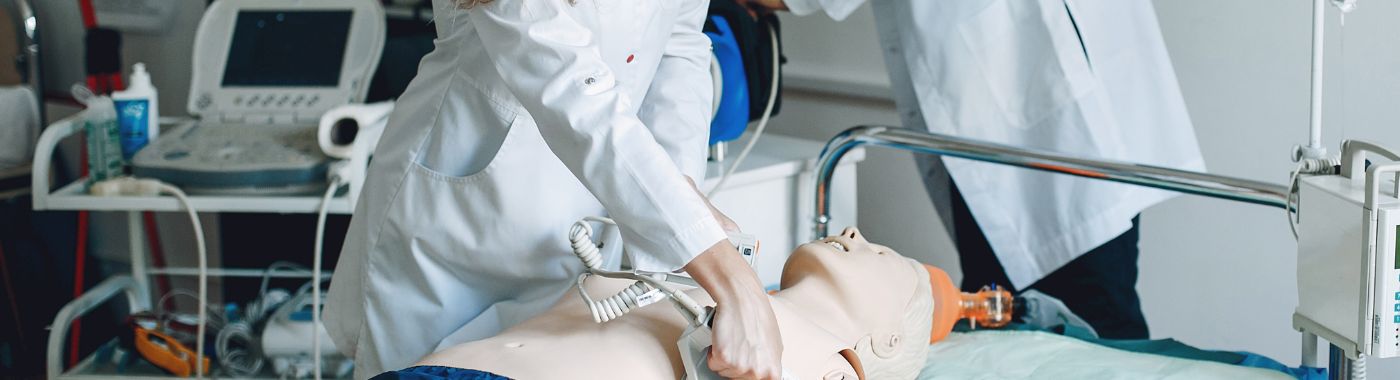
Extra Corporeal Membrane Oxygenation (ECMO) is a life-support technique used to provide prolonged cardiac and respiratory support to patients whose heart and lungs are unable to function adequately on their own. This advanced medical procedure is typically employed in critical care settings, such as intensive care units (ICUs), and is designed to temporarily take over the work of the heart and lungs, allowing them to rest and heal.
The ECMO procedure involves the use of a machine that pumps blood out of the body, oxygenates it, and then returns it to the patient. This is achieved through a series of tubes connected to a membrane oxygenator, which acts like an artificial lung, facilitating the exchange of oxygen and carbon dioxide. The blood is drawn from a large vein or artery, processed through the ECMO machine, and then returned to the body, ensuring that vital organs receive the oxygen they need to function properly.
ECMO is primarily used in patients with severe respiratory or cardiac failure. Conditions that may necessitate the use of ECMO include acute respiratory distress syndrome (ARDS), severe pneumonia, cardiogenic shock, and cardiac arrest. By providing this critical support, ECMO can buy time for the underlying condition to be treated or for the heart and lungs to recover.
The decision to initiate ECMO is typically made in response to severe symptoms or conditions that indicate a patient’s heart or lungs are failing. This procedure is not a first-line treatment; rather, it is reserved for cases where conventional therapies have failed or are insufficient.
Patients may present with a variety of symptoms that lead to the recommendation for ECMO. In cases of respiratory failure, symptoms may include extreme shortness of breath, rapid breathing, and low oxygen levels in the blood, which can be detected through pulse oximetry or arterial blood gas tests. In cardiac failure, patients may experience chest pain, fatigue, and signs of poor circulation, such as cold extremities or confusion.
ECMO is typically recommended when a patient is experiencing life-threatening conditions that do not respond to standard treatments. For instance, in cases of ARDS, the lungs become severely inflamed and filled with fluid, making it difficult for oxygen to enter the bloodstream. In such situations, ECMO can provide the necessary oxygenation while allowing the lungs to heal. Similarly, in cases of cardiogenic shock, where the heart is unable to pump enough blood to meet the body’s needs, ECMO can support circulation until the heart can recover or until further interventions, such as surgery, can be performed.
Several clinical situations and diagnostic criteria can make a patient a candidate for ECMO. The decision to initiate this procedure is based on a combination of clinical judgment, the severity of the patient’s condition, and the likelihood of recovery.
The decision to use ECMO is made by a multidisciplinary team of healthcare professionals, including intensivists, cardiologists, and surgeons, who assess the patient’s overall condition, prognosis, and potential for recovery. It is important to note that ECMO is a complex procedure that carries risks, including bleeding, infection, and complications related to the cannulation process. Therefore, careful consideration is given to the potential benefits and risks before proceeding with this life-saving intervention.
There are two primary types of ECMO, each tailored to address specific clinical needs:
Each type of ECMO is selected based on the specific needs of the patient and the underlying condition being treated. The choice between VV-ECMO and VA-ECMO is critical, as it directly impacts the management and outcomes of the patient’s care.
In conclusion, Extra Corporeal Membrane Oxygenation (ECMO) is a vital life-support procedure that can provide critical assistance to patients facing severe cardiac or respiratory failure. Understanding the purpose, indications, and types of ECMO is essential for patients and their families as they navigate the complexities of critical care. In the next part of this article, we will explore the ECMO procedure in detail, including how it is performed, the risks involved, and what patients can expect during recovery after ECMO.
While Extra Corporeal Membrane Oxygenation (ECMO) can be a lifesaving intervention for many patients with severe respiratory or cardiac failure, there are specific conditions and factors that may make a patient unsuitable for this procedure. Understanding these contraindications is crucial for both patients and healthcare providers.
Understanding these contraindications helps ensure that ECMO is used appropriately and that patients receive the best possible care tailored to their individual circumstances.
Preparing for ECMO involves several important steps to ensure the procedure is as safe and effective as possible. Here’s what patients and their families can expect in terms of pre-procedure instructions, tests, and precautions.
By following these preparation steps, patients can help ensure a smoother ECMO experience, setting the stage for effective treatment and recovery.
Understanding the ECMO procedure can help alleviate some anxiety for patients and their families. Here’s a step-by-step overview of what happens before, during, and after the ECMO procedure.
By understanding the ECMO procedure, patients and their families can feel more prepared and informed about what to expect during this critical treatment.
While ECMO can be a life-saving intervention, it is not without risks and potential complications. It’s important for patients and their families to be aware of these risks to make informed decisions about their care.
While the risks associated with ECMO are significant, the potential benefits for patients with severe respiratory or cardiac failure can outweigh these risks. A thorough discussion with the healthcare team can help patients and families understand the risks and make informed decisions about their treatment options.
Recovery from Extra Corporeal Membrane Oxygenation (ECMO) can vary significantly from patient to patient, depending on individual health conditions and the underlying reason for ECMO support. Generally, the recovery timeline can be broken down into several phases.
Most patients can expect to return to normal activities within 6 to 12 weeks post-ECMO, but this can vary. Light activities may resume sooner, while more strenuous activities, such as heavy lifting or intense exercise, should be approached with caution and only after consulting with a healthcare provider.
Extra Corporeal Membrane Oxygenation (ECMO) offers several significant benefits for patients with severe respiratory or cardiac failure. Understanding these benefits can help patients and their families make informed decisions about treatment options.
In critical care, when a patient's heart and/or lungs are severely failing, various life-support interventions are employed. Extra Corporeal Membrane Oxygenation (ECMO) provides advanced, temporary external support for both organs. However, more conventional methods include Mechanical Ventilation for respiratory failure and Vasopressors/Inotropes for circulatory collapse. These therapies differ significantly in their mechanism, invasiveness, and the type of organ support they offer.
Understanding these distinctions is crucial for patients' families as they navigate complex treatment decisions in the intensive care unit.
Important Note: Mechanical Ventilation and Vasopressors/Inotropes are often the initial and fundamental interventions for severe heart and lung failure in the ICU. ECMO is a rescue therapy, considered when these conventional treatments are insufficient to maintain life. The decision to use ECMO is a complex one, made by a multidisciplinary critical care team, weighing significant risks against the potential for survival and recovery from a life-threatening condition.
The cost of Extra Corporeal Membrane Oxygenation (ECMO) in India typically ranges from ₹1,00,000 to ₹2,50,000. Several factors can influence this cost:
Apollo Hospitals is known for its advanced ECMO services, offering high-quality care at competitive prices compared to Western countries. The affordability of ECMO in India makes it an attractive option for patients seeking life-saving treatment.
For exact pricing and personalized care options, we encourage you to contact Apollo Hospitals directly.
Before undergoing Extra Corporeal Membrane Oxygenation (ECMO), it is advisable to maintain a balanced diet rich in fruits, vegetables, and lean proteins. Avoid heavy meals and consult your healthcare provider for specific dietary recommendations tailored to your health condition.
Yes, elderly patients can safely undergo Extra Corporeal Membrane Oxygenation (ECMO), but their overall health and comorbidities will be carefully evaluated. The medical team will assess the risks and benefits to determine if ECMO is appropriate.
Extra Corporeal Membrane Oxygenation (ECMO) can be used in pregnant patients with severe respiratory or cardiac failure, but it requires careful monitoring by a specialized team. The risks to both the mother and fetus will be thoroughly assessed.
Extra Corporeal Membrane Oxygenation (ECMO) is also used in pediatric patients with severe heart or lung issues. The procedure is adapted to the child's size and condition, and a specialized pediatric team manages their care.
Patients with obesity may face additional risks during Extra Corporeal Membrane Oxygenation (ECMO), such as complications related to anesthesia and recovery. A thorough evaluation by the medical team will help determine the best course of action.
Diabetes can complicate recovery after Extra Corporeal Membrane Oxygenation (ECMO) due to potential issues with wound healing and infection. Close monitoring of blood sugar levels and adherence to a diabetes management plan are essential during recovery.
Hypertension can increase the risk of complications during Extra Corporeal Membrane Oxygenation (ECMO), such as bleeding or clotting issues. Managing blood pressure before and during the procedure is crucial for patient safety.
Recovery from Extra Corporeal Membrane Oxygenation (ECMO) can take several weeks to months, depending on individual health conditions and the underlying reason for ECMO support. Regular follow-ups are essential for monitoring progress.
Most patients can resume normal activities within 6 to 12 weeks after Extra Corporeal Membrane Oxygenation (ECMO), but this varies. Consult your healthcare provider for personalized guidance on activity resumption.
Emotional support is crucial after Extra Corporeal Membrane Oxygenation (ECMO). Patients can seek counseling, support groups, or talk to family and friends to help cope with the emotional aspects of recovery.
Extra Corporeal Membrane Oxygenation (ECMO) provides more advanced support than traditional ventilators, especially for patients with severe respiratory or cardiac failure. ECMO can oxygenate blood directly, allowing for better organ support.
Signs of complications after Extra Corporeal Membrane Oxygenation (ECMO) may include difficulty breathing, chest pain, fever, or unusual swelling. Contact your healthcare provider immediately if you experience any concerning symptoms.
Yes, Extra Corporeal Membrane Oxygenation (ECMO) has been used effectively for COVID-19 patients with severe respiratory failure. It can provide life-saving support while the lungs recover.
Physical therapy is essential after Extra Corporeal Membrane Oxygenation (ECMO) to help patients regain strength, mobility, and endurance. A tailored rehabilitation program can significantly enhance recovery.
Yes, patients with a history of heart surgery can undergo Extra Corporeal Membrane Oxygenation (ECMO), but their specific condition will be evaluated to determine the appropriateness of the procedure.
After Extra Corporeal Membrane Oxygenation (ECMO), consider adopting a heart-healthy lifestyle, including regular exercise, a balanced diet, and avoiding smoking. These changes can improve overall health and reduce the risk of future complications.
The quality of Extra Corporeal Membrane Oxygenation (ECMO) care in India is comparable to that in Western countries, with advanced technology and skilled medical professionals. Additionally, the cost of ECMO in India is significantly lower, making it more accessible.
Pediatric patients recovering from Extra Corporeal Membrane Oxygenation (ECMO) may require specialized care and monitoring. Recovery timelines can vary, and parents should work closely with the medical team to support their child's rehabilitation.
After Extra Corporeal Membrane Oxygenation (ECMO), patients should follow a balanced diet and may need to limit salt and sugar intake, especially if they have underlying conditions like hypertension or diabetes. Consult your healthcare provider for personalized dietary advice.
Follow-up care after Extra Corporeal Membrane Oxygenation (ECMO) is crucial for monitoring recovery, managing any ongoing health issues, and preventing complications. Regular check-ups ensure that patients receive the support they need for optimal recovery.
Extra Corporeal Membrane Oxygenation (ECMO) is a vital procedure that can provide life-saving support for patients with severe heart and lung conditions. Understanding the recovery proce

The information provided on this page is intended for general informational and educational purposes only. While we make reasonable efforts to ensure that the information is accurate, reliable, and regularly reviewed, it should not be considered a substitute for professional medical advice, diagnosis, or treatment.
The suitability of a medical procedure, along with its benefits, risks, preparation, recovery, potential complications, and expected outcomes, may vary from person to person. Your healthcare professional will determine whether a procedure is appropriate based on your individual condition and medical history.
Please consult a qualified healthcare professional for personalized advice before making decisions regarding any medical procedure.
For more information about how our medical content is created, reviewed, updated, and maintained, please read our [Editorial Policy].


 Best Hospital Near me Chennai
Best Hospital Near me Bangalore
Best Hospital Near me Hyderabad
Best Hospital Near me Mumbai
Best Hospital Near me Delhi
Best Hospital Near me Kolkata
Best Hospital Near me Pune
Best Hospital Near me Ahmedabad
Best Hospital Near me Bhubaneswar
Best Hospital Near me Bilaspur
Best Hospital Near me Guwahati
Best Hospital Near me Indore
Best Hospital Near me Kochi
Best Hospital Near me Lucknow
Best Hospital Near me Madurai
Best Hospital Near me Mysore
Best Hospital Near me Nashik
Best Hospital Near me Noida
Best Hospital Near me Rourkela
Best Hospital Near me Visakhapatnam
Cardiologist Near me in Chennai
Cardiologist Near me in Bangalore
Cardiologist Near me in Hyderabad
Cardiologist Near me in Mumbai
Cardiologist Near me in Delhi
Cardiologist Near me in Kolkata
Cardiologist Near me in Pune
Cardiologist Near me in Ahmedabad
Cardiologist Near me in Bhubaneswar
Cardiologist Near me in Bilaspur
Cardiologist Near me in Guwahati
Cardiologist Near me in Indore
Cardiologist Near me in Kochi
Cardiologist Near me in Lucknow
Cardiologist Near me in Madurai
Cardiologist Near me in Mysore
Cardiologist Near me in Nashik
Cardiologist Near me in Noida
Cardiologist Near me in Rourkela
Cardiologist Near me in Visakhapatnam
Neurologist Near me in Chennai
Neurologist Near me in Bangalore
Neurologist Near me in Hyderabad
Neurologist Near me in Mumbai
Neurologist Near me in Delhi
Neurologist Near me in Kolkata
Neurologist Near me in Ahmedabad
Neurologist Near me in Bhubaneswar
Neurologist Near me in Bilaspur
Neurologist Near me in Guwahati
Neurologist Near me in Indore
Neurologist Near me in Kochi
Neurologist Near me in Lucknow
Neurologist Near me in Madurai
Neurologist Near me in Mysore
Neurologist Near me in Nashik
Neurologist Near me in Noida
Neurologist Near me in Rourkela
Neurologist Near me in Visakhapatnam
Orthopedician Near me in Chennai
Orthopedician Near me in Bangalore
Orthopedician Near me in Hyderabad
Orthopedician Near me in Mumbai
Orthopedician Near me in Delhi
Orthopedician Near me in Kolkata
Orthopedician Near me in Pune
Orthopedician Near me in Ahmedabad
Orthopedician Near me in Bhubaneswar
Orthopedician Near me in Bilaspur
Orthopedician Near me in Guwahati
Orthopedician Near me in Indore
Orthopedician Near me in Kochi
Orthopedician Near me in Lucknow
Orthopedician Near me in Madurai
Orthopedician Near me in Mysore
Orthopedician Near me in Nashik
Orthopedician Near me in Noida
Orthopedician Near me in Rourkela
Orthopedician Near me in Visakhapatnam
Oncologist Near me in Chennai
Oncologist Near me in Bangalore
Oncologist Near me in Hyderabad
Oncologist Near me in Mumbai
Oncologist Near me in Delhi
Oncologist Near me in Kolkata
Oncologist Near me in Pune
Oncologist Near me in Ahmedabad
Oncologist Near me in Bhubaneswar
Oncologist Near me in Bilaspur
Oncologist Near me in Guwahati
Oncologist Near me in Indore
Oncologist Near me in Kochi
Oncologist Near me in Lucknow
Oncologist Near me in Madurai
Oncologist Near me in Mysore
Oncologist Near me in Nashik
Oncologist Near me in Noida
Oncologist Near me in Rourkela
Gastroenterologist Near me in Chennai
Gastroenterologist Near me in Bangalore
Gastroenterologist Near me in Hyderabad
Gastroenterologist Near me in Mumbai
Gastroenterologist Near me in Delhi
Gastroenterologist Near me in Kolkata
Gastroenterologist Near me in Pune
Gastroenterologist Near me in Ahmedabad
Gastroenterologist Near me in Bhubaneswar
Gastroenterologist Near me in Bilaspur
Gastroenterologist Near me in Guwahati
Gastroenterologist Near me in Indore
Gastroenterologist Near me in Kochi
Gastroenterologist Near me in Lucknow
Gastroenterologist Near me in Madurai
Gastroenterologist Near me in Mysore
Gastroenterologist Near me in Nashik
Gastroenterologist Near me in Noida
Gastroenterologist Near me in Rourkela
Gastroenterologist Near me in Visakhapatnam
Transplant Surgeon Near me in Chennai
Transplant Surgeon Near me in Bangalore
Transplant Surgeon Near me in Hyderabad
Transplant Surgeon Near me in Mumbai
Transplant Surgeon Near me in Delhi
Transplant Surgeon Near me in Kolkata
Transplant Surgeon Near me in Indore
Transplant Surgeon Near me in Kochi
Transplant Surgeon Near me in Lucknow
Transplant Surgeon Near me in Mysore
ENT Specialist Near me in Chennai
ENT Specialist Near me in Bangalore
ENT Specialist Near me in Hyderabad
ENT Specialist Near me in Mumbai
ENT Specialist Near me in Delhi
ENT Specialist Near me in Kolkata
ENT Specialist Near me in Pune
ENT Specialist Near me in Ahmedabad
ENT Specialist Near me in Bhubaneswar
ENT Specialist Near me in Bilaspur
ENT Specialist Near me in Guwahati
ENT Specialist Near me in Indore
ENT Specialist Near me in Kochi
ENT Specialist Near me in Lucknow
ENT Specialist Near me in Madurai
ENT Specialist Near me in Mysore
ENT Specialist Near me in Nashik
ENT Specialist Near me in Noida
ENT Specialist Near me in Rourkela
ENT Specialist Near me in Visakhapatnam
Pulmonologist Near me in Chennai
Pulmonologist Near me in Bangalore
Pulmonologist Near me in Hyderabad
Pulmonologist Near me in Mumbai
Pulmonologist Near me in Delhi
Pulmonologist Near me in Kolkata
Pulmonologist Near me in Ahmedabad
Pulmonologist Near me in Bhubaneswar
Pulmonologist Near me in Bilaspur
Pulmonologist Near me in Guwahati
Pulmonologist Near me in Indore
Pulmonologist Near me in Kochi
Pulmonologist Near me in Lucknow
Pulmonologist Near me in Madurai
Pulmonologist Near me in Mysore
Pulmonologist Near me in Nashik
Pulmonologist Near me in Noida
Pulmonologist Near me in Rourkela
Pulmonologist Near me in Visakhapatnam
Dentist Near me in Chennai
Dentist Near me in Bangalore
Dentist Near me in Hyderabad
Dentist Near me in Delhi
Dentist Near me in Kolkata
Dentist Near me in Ahmedabad
Dentist Near me in Bhubaneswar
Dentist Near me in Bilaspur
Dentist Near me in Guwahati
Dentist Near me in Kochi
Dentist Near me in Lucknow
Dentist Near me in Madurai
Dentist Near me in Nashik
Dentist Near me in Noida
Dentist Near me in Rourkela
Dentist Near me in Visakhapatnam
Pediatrician Near me in Chennai
Pediatrician Near me in Bangalore
Pediatrician Near me in Hyderabad
Pediatrician Near me in Mumbai
Pediatrician Near me in Delhi
Pediatrician Near me in Kolkata
Pediatrician Near me in Pune
Pediatrician Near me in Ahmedabad
Pediatrician Near me in Bhubaneswar
Pediatrician Near me in Bilaspur
Pediatrician Near me in Guwahati
Pediatrician Near me in Indore
Pediatrician Near me in Kochi
Pediatrician Near me in Lucknow
Pediatrician Near me in Madurai
Pediatrician Near me in Mysore
Pediatrician Near me in Nashik
Pediatrician Near me in Noida
Pediatrician Near me in Visakhapatnam
Dermatologist Near me in Chennai
Dermatologist Near me in Bangalore
Dermatologist Near me in Hyderabad
Dermatologist Near me in Delhi
Dermatologist Near me in Kolkata
Dermatologist Near me in Ahmedabad
Dermatologist Near me in Bhubaneswar
Dermatologist Near me in Bilaspur
Dermatologist Near me in Guwahati
Dermatologist Near me in Indore
Dermatologist Near me in Kochi
Dermatologist Near me in Lucknow
Dermatologist Near me in Madurai
Dermatologist Near me in Mysore
Dermatologist Near me in Noida
Dermatologist Near me in Visakhapatnam
Urologist Near me in Chennai
Urologist Near me in Bangalore
Urologist Near me in Hyderabad
Urologist Near me in Delhi
Urologist Near me in Kolkata
Urologist Near me in Pune
Urologist Near me in Ahmedabad
Urologist Near me in Bhubaneswar
Urologist Near me in Bilaspur
Urologist Near me in Guwahati
Urologist Near me in Indore
Urologist Near me in Kochi
Urologist Near me in Lucknow
Urologist Near me in Madurai
Urologist Near me in Mysore
Urologist Near me in Nashik
Urologist Near me in Noida
Urologist Near me in Rourkela
Urologist Near me in Visakhapatnam
Endocrinologist and Diabetologist Near me in Chennai
Endocrinologist and Diabetologist Near me in Bangalore
Endocrinologist and Diabetologist Near me in Hyderabad
Endocrinologist and Diabetologist Near me in Mumbai
Endocrinologist and Diabetologist Near me in Delhi
Endocrinologist and Diabetologist Near me in Kolkata
Endocrinologist and Diabetologist Near me in Pune
Endocrinologist and Diabetologist Near me in Ahmedabad
Endocrinologist and Diabetologist Near me in Bhubaneswar
Endocrinologist and Diabetologist Near me in Bilaspur
Endocrinologist and Diabetologist Near me in Guwahati
Endocrinologist and Diabetologist Near me in Indore
Endocrinologist and Diabetologist Near me in Kochi
Endocrinologist and Diabetologist Near me in Lucknow
Endocrinologist and Diabetologist Near me in Madurai
Endocrinologist and Diabetologist Near me in Mysore
Endocrinologist and Diabetologist Near me in Noida
Endocrinologist and Diabetologist Near me in Rourkela
Endocrinologist and Diabetologist Near me in Visakhapatnam
Gynecologist Near me in Chennai
Gynecologist Near me in Bangalore
Gynecologist Near me in Hyderabad
Gynecologist Near me in Mumbai
Gynecologist Near me in Delhi
Gynecologist Near me in Kolkata
Gynecologist Near me in Ahmedabad
Gynecologist Near me in Bhubaneswar
Gynecologist Near me in Bilaspur
Gynecologist Near me in Guwahati
Gynecologist Near me in Indore
Gynecologist Near me in Kochi
Gynecologist Near me in Lucknow
Gynecologist Near me in Madurai
Gynecologist Near me in Mysore
Gynecologist Near me in Nashik
Gynecologist Near me in Noida
Gynecologist Near me in Rourkela
Gynecologist Near me in Visakhapatnam
General Physician Near me in Chennai
General Physician Near me in Bangalore
General Physician Near me in Hyderabad
General Physician Near me in Mumbai
General Physician Near me in Delhi
General Physician Near me in Kolkata
General Physician Near me in Pune
General Physician Near me in Ahmedabad
General Physician Near me in Bhubaneswar
General Physician Near me in Bilaspur
General Physician Near me in Guwahati
General Physician Near me in Indore
General Physician Near me in Kochi
General Physician Near me in Lucknow
General Physician Near me in Madurai
General Physician Near me in Mysore
General Physician Near me in Nashik
General Physician Near me in Noida
General Physician Near me in Visakhapatnam
Psychologist Near me in Chennai
Psychologist Near me in Bangalore
Psychologist Near me in Hyderabad
Psychologist Near me in Mumbai
Psychologist Near me in Delhi
Psychologist Near me in Kolkata
Psychologist Near me in Ahmedabad
Psychologist Near me in Bhubaneswar
Psychologist Near me in Bilaspur
Psychologist Near me in Guwahati
Psychologist Near me in Indore
Psychologist Near me in Kochi
Psychologist Near me in Lucknow
Psychologist Near me in Madurai
Psychologist Near me in Mysore
Psychologist Near me in Nashik
Psychologist Near me in Noida
Psychologist Near me in Visakhapatnam
General Surgeon Near me in Chennai
General Surgeon Near me in Bangalore
General Surgeon Near me in Hyderabad
General Surgeon Near me in Mumbai
General Surgeon Near me in Delhi
General Surgeon Near me in Kolkata
General Surgeon Near me in Pune
General Surgeon Near me in Ahmedabad
General Surgeon Near me in Bhubaneswar
General Surgeon Near me in Bilaspur
General Surgeon Near me in Guwahati
General Surgeon Near me in Indore
General Surgeon Near me in Lucknow
General Surgeon Near me in Madurai
General Surgeon Near me in Mysore
General Surgeon Near me in Nashik
General Surgeon Near me in Noida
General Surgeon Near me in Rourkela
Best Hospital in Karukutty, Cochin
Best Hospital in Greams Road, Chennai
Best Hospital in Kuvempunagar, Mysore
Best Hospital in Vanagaram, Chennai
Best Hospital in Teynampet, Chennai
Best Hospital in OMR, Chennai
Best Cancer Hospital in Bhat, Gandhinagar, Ahmedabad
Best Cancer Hospital in Electronic City, Bangalore
Best Cancer Hospital in Teynampet, Chennai
Best Cancer Hospital in HSR Layout, Bangalore
Best Proton Cancer Centre in Chennai
Best Children's Hospital in Thousand Lights, Chennai
Best Women’s Hospital in Thousand Lights, Chennai
Best Hospital in Paschim Boragaon, Guwahati
Best Hospital in P H Road, Chennai
Best Heart Centre in Thousand Lights, Chennai
Best Hospital in Jubilee Hills, Hyderabad
Best Hospital in Tondiarpet, Chennai
Best Hospital in Kotturpuram, Chennai
Best Hospital in Kovai Road, Karur
Best Hospital in Karapakkam, Chennai
Best Hospital in Arilova, Vizag
Best Hospital in Kanpur Road, Lucknow
Best Hospital in Sector-26, Noida
Best Hospital in Gandhinagar, Ahmedabad
Best Hospital in Aragonda, Andhra Pradesh
Best Hospital in Bannerghatta Road, Bangalore
Best Hospital in Unit-15, Bhubaneswar
Best Hospital in Seepat Road, Bilaspur
Best Hospital in Ellisbridge, Ahmedabad
Best Hospital in New Delhi
Best Hospital in DRDO, Hyderabad
Best Hospital in G S Road, Guwahati
Best Hospital in Hyderguda, Hyderabad
Best Hospital in Vijay Nagar, Indore
Best Hospital in Suryaraopeta Main Road, Kakinada
Best Hospital in Canal Circular Road, Kolkata
Best Hospital in CBD Belapur, Navi Mumbai
Best Hospital in Panchavati, Nashik
Best Hospital in secunderabad, Hyderabad
Best Hospital in Seshadripuram, Bangalore
Best Hospital in Waltair Main Road, Visakhapatnam
Best Hospital in Subhash Nagar Road, Karimnagar
Best Hospital in Managari, Karaikudi
Best Hospital in Arepally, Warangal
Best Hospital in Arera Colony, Bhopal
Best Hospital in Jayanagar, Bangalore
Best Hospital in KK Nagar, Madurai
Best Hospital in Ramji Nagar, Nellore
Best Hospital in Sector-19, Rourkela
Best Hospital in Swargate, Pune
Best Women’s Cancer Hospital in South Delhi
CABG
CAR T Cell Therapy
Laparoscopic Cholecystectomy
Hysterectomy
Kidney Transplant
Extracorporeal Shockwave Lithotripsy
Liver Transplant
Lung Transplant
Hip Arthroscopy
Total Hip Replacement
Proton Therapy
Minimally Invasive Subvastus Total Knee Replacement
Fast Track Daycare Knee Replacement
Sleeve Gastrectomy
Lasik Surgery
Rhinoplasty
Liposuction
Coronary Angiogram
Transcatheter Aortic Valve Replacement
MitraClip Valve Repair
Minimally Invasive Cardiac Surgery
Catheter Ablation
ACL Reconstruction Surgery
Reverse Shoulder Replacement
Endometrial Ablation
Uterine Artery Embolization
Ovarian Cystectomy
Breast Cancer Surgery
Brachytherapy
Colonoscopy
Polypectomy
Deep Brain Stimulation
Peritoneal Dialysis
Kidney Biopsy
Parathyroidectomy
Cytoreductive Surgery
Ceramic Total Knee Replacement
ERCP
Best Hospital Near me Chennai
Best Hospital Near me Bangalore
Best Hospital Near me Hyderabad
Best Hospital Near me Mumbai
Best Hospital Near me Delhi
Best Hospital Near me Kolkata
Best Hospital Near me Pune
Best Hospital Near me Ahmedabad
Best Hospital Near me Bhubaneswar
Best Hospital Near me Bilaspur
Best Hospital Near me Guwahati
Best Hospital Near me Indore
Best Hospital Near me Kochi
Best Hospital Near me Lucknow
Best Hospital Near me Madurai
Best Hospital Near me Mysore
Best Hospital Near me Nashik
Best Hospital Near me Noida
Best Hospital Near me Rourkela
Best Hospital Near me Visakhapatnam
Cardiologist Near me in Chennai
Cardiologist Near me in Bangalore
Cardiologist Near me in Hyderabad
Cardiologist Near me in Mumbai
Cardiologist Near me in Delhi
Cardiologist Near me in Kolkata
Cardiologist Near me in Pune
Cardiologist Near me in Ahmedabad
Cardiologist Near me in Bhubaneswar
Cardiologist Near me in Bilaspur
Cardiologist Near me in Guwahati
Cardiologist Near me in Indore
Cardiologist Near me in Kochi
Cardiologist Near me in Lucknow
Cardiologist Near me in Madurai
Cardiologist Near me in Mysore
Cardiologist Near me in Nashik
Cardiologist Near me in Noida
Cardiologist Near me in Rourkela
Cardiologist Near me in Visakhapatnam
Neurologist Near me in Chennai
Neurologist Near me in Bangalore
Neurologist Near me in Hyderabad
Neurologist Near me in Mumbai
Neurologist Near me in Delhi
Neurologist Near me in Kolkata
Neurologist Near me in Ahmedabad
Neurologist Near me in Bhubaneswar
Neurologist Near me in Bilaspur
Neurologist Near me in Guwahati
Neurologist Near me in Indore
Neurologist Near me in Kochi
Neurologist Near me in Lucknow
Neurologist Near me in Madurai
Neurologist Near me in Mysore
Neurologist Near me in Nashik
Neurologist Near me in Noida
Neurologist Near me in Rourkela
Neurologist Near me in Visakhapatnam
Orthopedician Near me in Chennai
Orthopedician Near me in Bangalore
Orthopedician Near me in Hyderabad
Orthopedician Near me in Mumbai
Orthopedician Near me in Delhi
Orthopedician Near me in Kolkata
Orthopedician Near me in Pune
Orthopedician Near me in Ahmedabad
Orthopedician Near me in Bhubaneswar
Orthopedician Near me in Bilaspur
Orthopedician Near me in Guwahati
Orthopedician Near me in Indore
Orthopedician Near me in Kochi
Orthopedician Near me in Lucknow
Orthopedician Near me in Madurai
Orthopedician Near me in Mysore
Orthopedician Near me in Nashik
Orthopedician Near me in Noida
Orthopedician Near me in Rourkela
Orthopedician Near me in Visakhapatnam
Oncologist Near me in Chennai
Oncologist Near me in Bangalore
Oncologist Near me in Hyderabad
Oncologist Near me in Mumbai
Oncologist Near me in Delhi
Oncologist Near me in Kolkata
Oncologist Near me in Pune
Oncologist Near me in Ahmedabad
Oncologist Near me in Bhubaneswar
Oncologist Near me in Bilaspur
Oncologist Near me in Guwahati
Oncologist Near me in Indore
Oncologist Near me in Kochi
Oncologist Near me in Lucknow
Oncologist Near me in Madurai
Oncologist Near me in Mysore
Oncologist Near me in Nashik
Oncologist Near me in Noida
Oncologist Near me in Rourkela
Gastroenterologist Near me in Chennai
Gastroenterologist Near me in Bangalore
Gastroenterologist Near me in Hyderabad
Gastroenterologist Near me in Mumbai
Gastroenterologist Near me in Delhi
Gastroenterologist Near me in Kolkata
Gastroenterologist Near me in Pune
Gastroenterologist Near me in Ahmedabad
Gastroenterologist Near me in Bhubaneswar
Gastroenterologist Near me in Bilaspur
Gastroenterologist Near me in Guwahati
Gastroenterologist Near me in Indore
Gastroenterologist Near me in Kochi
Gastroenterologist Near me in Lucknow
Gastroenterologist Near me in Madurai
Gastroenterologist Near me in Mysore
Gastroenterologist Near me in Nashik
Gastroenterologist Near me in Noida
Gastroenterologist Near me in Rourkela
Gastroenterologist Near me in Visakhapatnam
Transplant Surgeon Near me in Chennai
Transplant Surgeon Near me in Bangalore
Transplant Surgeon Near me in Hyderabad
Transplant Surgeon Near me in Mumbai
Transplant Surgeon Near me in Delhi
Transplant Surgeon Near me in Kolkata
Transplant Surgeon Near me in Indore
Transplant Surgeon Near me in Kochi
Transplant Surgeon Near me in Lucknow
Transplant Surgeon Near me in Mysore
ENT Specialist Near me in Chennai
ENT Specialist Near me in Bangalore
ENT Specialist Near me in Hyderabad
ENT Specialist Near me in Mumbai
ENT Specialist Near me in Delhi
ENT Specialist Near me in Kolkata
ENT Specialist Near me in Pune
ENT Specialist Near me in Ahmedabad
ENT Specialist Near me in Bhubaneswar
ENT Specialist Near me in Bilaspur
ENT Specialist Near me in Guwahati
ENT Specialist Near me in Indore
ENT Specialist Near me in Kochi
ENT Specialist Near me in Lucknow
ENT Specialist Near me in Madurai
ENT Specialist Near me in Mysore
ENT Specialist Near me in Nashik
ENT Specialist Near me in Noida
ENT Specialist Near me in Rourkela
ENT Specialist Near me in Visakhapatnam
Pulmonologist Near me in Chennai
Pulmonologist Near me in Bangalore
Pulmonologist Near me in Hyderabad
Pulmonologist Near me in Mumbai
Pulmonologist Near me in Delhi
Pulmonologist Near me in Kolkata
Pulmonologist Near me in Ahmedabad
Pulmonologist Near me in Bhubaneswar
Pulmonologist Near me in Bilaspur
Pulmonologist Near me in Guwahati
Pulmonologist Near me in Indore
Pulmonologist Near me in Kochi
Pulmonologist Near me in Lucknow
Pulmonologist Near me in Madurai
Pulmonologist Near me in Mysore
Pulmonologist Near me in Nashik
Pulmonologist Near me in Noida
Pulmonologist Near me in Rourkela
Pulmonologist Near me in Visakhapatnam
Dentist Near me in Chennai
Dentist Near me in Bangalore
Dentist Near me in Hyderabad
Dentist Near me in Delhi
Dentist Near me in Kolkata
Dentist Near me in Ahmedabad
Dentist Near me in Bhubaneswar
Dentist Near me in Bilaspur
Dentist Near me in Guwahati
Dentist Near me in Kochi
Dentist Near me in Lucknow
Dentist Near me in Madurai
Dentist Near me in Nashik
Dentist Near me in Noida
Dentist Near me in Rourkela
Dentist Near me in Visakhapatnam
Pediatrician Near me in Chennai
Pediatrician Near me in Bangalore
Pediatrician Near me in Hyderabad
Pediatrician Near me in Mumbai
Pediatrician Near me in Delhi
Pediatrician Near me in Kolkata
Pediatrician Near me in Pune
Pediatrician Near me in Ahmedabad
Pediatrician Near me in Bhubaneswar
Pediatrician Near me in Bilaspur
Pediatrician Near me in Guwahati
Pediatrician Near me in Indore
Pediatrician Near me in Kochi
Pediatrician Near me in Lucknow
Pediatrician Near me in Madurai
Pediatrician Near me in Mysore
Pediatrician Near me in Nashik
Pediatrician Near me in Noida
Pediatrician Near me in Visakhapatnam
Dermatologist Near me in Chennai
Dermatologist Near me in Bangalore
Dermatologist Near me in Hyderabad
Dermatologist Near me in Delhi
Dermatologist Near me in Kolkata
Dermatologist Near me in Ahmedabad
Dermatologist Near me in Bhubaneswar
Dermatologist Near me in Bilaspur
Dermatologist Near me in Guwahati
Dermatologist Near me in Indore
Dermatologist Near me in Kochi
Dermatologist Near me in Lucknow
Dermatologist Near me in Madurai
Dermatologist Near me in Mysore
Dermatologist Near me in Noida
Dermatologist Near me in Visakhapatnam
Urologist Near me in Chennai
Urologist Near me in Bangalore
Urologist Near me in Hyderabad
Urologist Near me in Delhi
Urologist Near me in Kolkata
Urologist Near me in Pune
Urologist Near me in Ahmedabad
Urologist Near me in Bhubaneswar
Urologist Near me in Bilaspur
Urologist Near me in Guwahati
Urologist Near me in Indore
Urologist Near me in Kochi
Urologist Near me in Lucknow
Urologist Near me in Madurai
Urologist Near me in Mysore
Urologist Near me in Nashik
Urologist Near me in Noida
Urologist Near me in Rourkela
Urologist Near me in Visakhapatnam
Endocrinologist and Diabetologist Near me in Chennai
Endocrinologist and Diabetologist Near me in Bangalore
Endocrinologist and Diabetologist Near me in Hyderabad
Endocrinologist and Diabetologist Near me in Mumbai
Endocrinologist and Diabetologist Near me in Delhi
Endocrinologist and Diabetologist Near me in Kolkata
Endocrinologist and Diabetologist Near me in Pune
Endocrinologist and Diabetologist Near me in Ahmedabad
Endocrinologist and Diabetologist Near me in Bhubaneswar
Endocrinologist and Diabetologist Near me in Bilaspur
Endocrinologist and Diabetologist Near me in Guwahati
Endocrinologist and Diabetologist Near me in Indore
Endocrinologist and Diabetologist Near me in Kochi
Endocrinologist and Diabetologist Near me in Lucknow
Endocrinologist and Diabetologist Near me in Madurai
Endocrinologist and Diabetologist Near me in Mysore
Endocrinologist and Diabetologist Near me in Noida
Endocrinologist and Diabetologist Near me in Rourkela
Endocrinologist and Diabetologist Near me in Visakhapatnam
Gynecologist Near me in Chennai
Gynecologist Near me in Bangalore
Gynecologist Near me in Hyderabad
Gynecologist Near me in Mumbai
Gynecologist Near me in Delhi
Gynecologist Near me in Kolkata
Gynecologist Near me in Ahmedabad
Gynecologist Near me in Bhubaneswar
Gynecologist Near me in Bilaspur
Gynecologist Near me in Guwahati
Gynecologist Near me in Indore
Gynecologist Near me in Kochi
Gynecologist Near me in Lucknow
Gynecologist Near me in Madurai
Gynecologist Near me in Mysore
Gynecologist Near me in Nashik
Gynecologist Near me in Noida
Gynecologist Near me in Rourkela
Gynecologist Near me in Visakhapatnam
General Physician Near me in Chennai
General Physician Near me in Bangalore
General Physician Near me in Hyderabad
General Physician Near me in Mumbai
General Physician Near me in Delhi
General Physician Near me in Kolkata
General Physician Near me in Pune
General Physician Near me in Ahmedabad
General Physician Near me in Bhubaneswar
General Physician Near me in Bilaspur
General Physician Near me in Guwahati
General Physician Near me in Indore
General Physician Near me in Kochi
General Physician Near me in Lucknow
General Physician Near me in Madurai
General Physician Near me in Mysore
General Physician Near me in Nashik
General Physician Near me in Noida
General Physician Near me in Visakhapatnam
Psychologist Near me in Chennai
Psychologist Near me in Bangalore
Psychologist Near me in Hyderabad
Psychologist Near me in Mumbai
Psychologist Near me in Delhi
Psychologist Near me in Kolkata
Psychologist Near me in Ahmedabad
Psychologist Near me in Bhubaneswar
Psychologist Near me in Bilaspur
Psychologist Near me in Guwahati
Psychologist Near me in Indore
Psychologist Near me in Kochi
Psychologist Near me in Lucknow
Psychologist Near me in Madurai
Psychologist Near me in Mysore
Psychologist Near me in Nashik
Psychologist Near me in Noida
Psychologist Near me in Visakhapatnam
General Surgeon Near me in Chennai
General Surgeon Near me in Bangalore
General Surgeon Near me in Hyderabad
General Surgeon Near me in Mumbai
General Surgeon Near me in Delhi
General Surgeon Near me in Kolkata
General Surgeon Near me in Pune
General Surgeon Near me in Ahmedabad
General Surgeon Near me in Bhubaneswar
General Surgeon Near me in Bilaspur
General Surgeon Near me in Guwahati
General Surgeon Near me in Indore
General Surgeon Near me in Lucknow
General Surgeon Near me in Madurai
General Surgeon Near me in Mysore
General Surgeon Near me in Nashik
General Surgeon Near me in Noida
General Surgeon Near me in Rourkela
Best Hospital in Karukutty, Cochin
Best Hospital in Greams Road, Chennai
Best Hospital in Kuvempunagar, Mysore
Best Hospital in Vanagaram, Chennai
Best Hospital in Teynampet, Chennai
Best Hospital in OMR, Chennai
Best Cancer Hospital in Bhat, Gandhinagar, Ahmedabad
Best Cancer Hospital in Electronic City, Bangalore
Best Cancer Hospital in Teynampet, Chennai
Best Cancer Hospital in HSR Layout, Bangalore
Best Proton Cancer Centre in Chennai
Best Children's Hospital in Thousand Lights, Chennai
Best Women’s Hospital in Thousand Lights, Chennai
Best Hospital in Paschim Boragaon, Guwahati
Best Hospital in P H Road, Chennai
Best Heart Centre in Thousand Lights, Chennai
Best Hospital in Jubilee Hills, Hyderabad
Best Hospital in Tondiarpet, Chennai
Best Hospital in Kotturpuram, Chennai
Best Hospital in Kovai Road, Karur
Best Hospital in Karapakkam, Chennai
Best Hospital in Arilova, Vizag
Best Hospital in Kanpur Road, Lucknow
Best Hospital in Sector-26, Noida
Best Hospital in Gandhinagar, Ahmedabad
Best Hospital in Aragonda, Andhra Pradesh
Best Hospital in Bannerghatta Road, Bangalore
Best Hospital in Unit-15, Bhubaneswar
Best Hospital in Seepat Road, Bilaspur
Best Hospital in Ellisbridge, Ahmedabad
Best Hospital in New Delhi
Best Hospital in DRDO, Hyderabad
Best Hospital in G S Road, Guwahati
Best Hospital in Hyderguda, Hyderabad
Best Hospital in Vijay Nagar, Indore
Best Hospital in Suryaraopeta Main Road, Kakinada
Best Hospital in Canal Circular Road, Kolkata
Best Hospital in CBD Belapur, Navi Mumbai
Best Hospital in Panchavati, Nashik
Best Hospital in secunderabad, Hyderabad
Best Hospital in Seshadripuram, Bangalore
Best Hospital in Waltair Main Road, Visakhapatnam
Best Hospital in Subhash Nagar Road, Karimnagar
Best Hospital in Managari, Karaikudi
Best Hospital in Arepally, Warangal
Best Hospital in Arera Colony, Bhopal
Best Hospital in Jayanagar, Bangalore
Best Hospital in KK Nagar, Madurai
Best Hospital in Ramji Nagar, Nellore
Best Hospital in Sector-19, Rourkela
Best Hospital in Swargate, Pune
Best Women’s Cancer Hospital in South Delhi
CABG
CAR T Cell Therapy
Laparoscopic Cholecystectomy
Hysterectomy
Kidney Transplant
Extracorporeal Shockwave Lithotripsy
Liver Transplant
Lung Transplant
Hip Arthroscopy
Total Hip Replacement
Proton Therapy
Minimally Invasive Subvastus Total Knee Replacement
Fast Track Daycare Knee Replacement
Sleeve Gastrectomy
Lasik Surgery
Rhinoplasty
Liposuction
Coronary Angiogram
Transcatheter Aortic Valve Replacement
MitraClip Valve Repair
Minimally Invasive Cardiac Surgery
Catheter Ablation
ACL Reconstruction Surgery
Reverse Shoulder Replacement
Endometrial Ablation
Uterine Artery Embolization
Ovarian Cystectomy
Breast Cancer Surgery
Brachytherapy
Colonoscopy
Polypectomy
Deep Brain Stimulation
Peritoneal Dialysis
Kidney Biopsy
Parathyroidectomy
Cytoreductive Surgery
Ceramic Total Knee Replacement
ERCP


