

Stroke first aid: Think FAST Call 1066

Stroke first aid: Think FAST
Call 1066
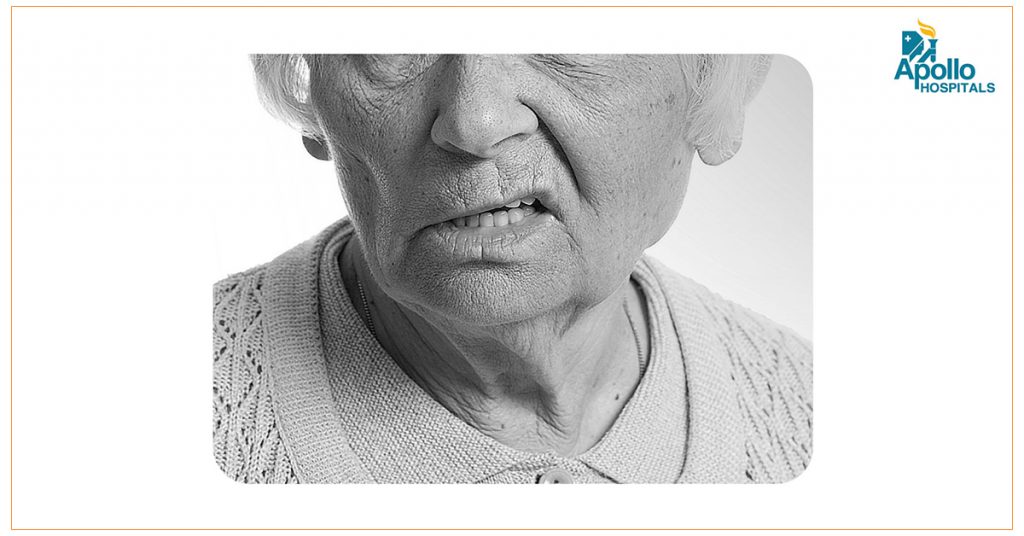
The incidence of Stroke is on the rise due to multiple lifestyle factors and is commonly seen among the elderly. Unfortunately, studies reveal that the younger population is also increasingly falling victim to it. Lack of knowledge regarding the signs, symptoms and first aid, or the delay in getting help prevent many patients from leading a normal life after a stroke. With medical advancements, a patient can now make a full recovery if bought to a stroke-ready medical facility within four and a half hours of the onset of symptoms.
Here is everything you should know –
If someone suddenly collapses or falls unconscious, what should I do?
A person can fall unconscious for many different reasons. The first thing to do is to check for pulse. If it is not to be found, a BLS (Basic Life Support) trained individual should assess the patient and administer CPR, if need be. If the patient is still somewhat conscious and moving, you should put her/him in a safe recovery position, i.e., make them lie down on their left side. You should then check their blood pressure and blood sugar levels. If that’s not possible you should move her/him to the nearest medical facility.
How do you know if someone is having a stroke?
It is important to note that the initial assessment of the patient, goes a long way in helping the team of doctors figure out their course of action. Once the symptoms are recognised, there should be no delay in getting him/her to the nearest medical facility.
To ensure a stroke patient gets immediate help, it is first important to recognise the symptoms. If you are around someone who you think may be having a stroke, follow the rule of F.A.S.T –
- Facial Deviation
- Arm/Leg Weakness
- Speech Disturbance
- Time to get help
Look for any droopiness in facial muscles, unusual weakness in arms or legs or slurred speech. If you notice these, it is time to get urgent medical help. Some individuals also suddenly lose control over one side of their body, which can be an identifying factor.
Who is at risk for a stroke?
While stroke can be sudden and come without a warning, there are certain risk factors associated with it. Individuals who smoke, consume excess alcohol, excessive processed and fatty foods, are unusually stressed or overweight – are at a higher risk for strokes than those who don’t.
Some of the common health risk factors for stroke include –
- Diabetes/Hypertension
- High cholesterol
- High blood pressure
- Advancing age
- Heart Disease
- Stress
What is a stroke-ready hospital?
A stroke ready hospital is ready for patients with 24×7 availability of the required equipment, technology needed to get imaging and scans of the brain and trained consultants. If a patient is bought to such a facility within 4.5 hours of the onset of symptoms, a treatment known as Thrombolysis can be administered and clots in the blood vessels can be dissolved medically. This process is known to reverse the stroke.
Another procedure known as Mechanical Thrombectomy is now available where specialists can remove the clot with the help of a catheter. This is possible only within 12-24 hours of onset of symptoms. A stroke-ready hospital should be prepared to perform both Thrombolysis and Mechanical Thrombectomy.


 Best Hospital Near me Chennai


