

Norovirus: Symptoms, Causes, Transmission, Treatment and Prevention
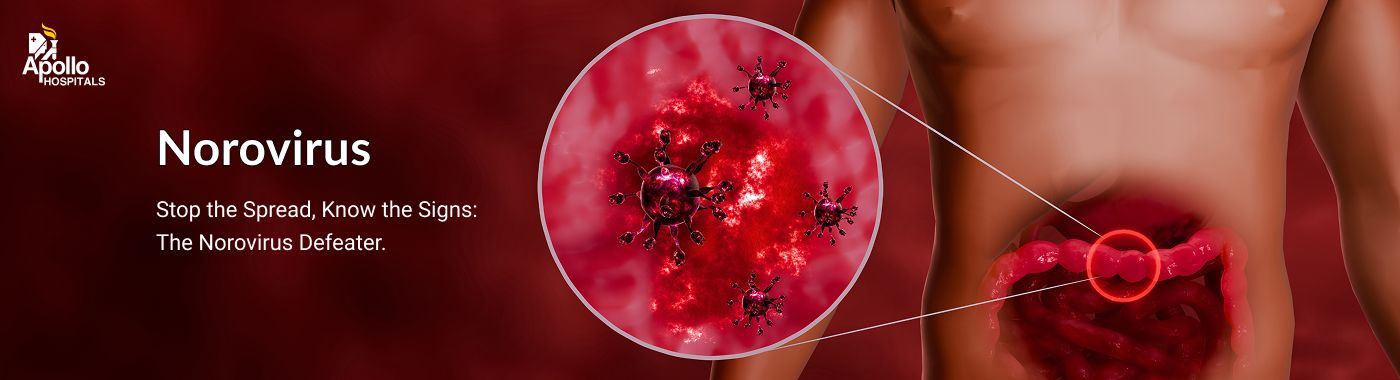
Recent norovirus outbreaks aboard international cruise ships and in community settings across the world have brought this highly contagious stomach virus back into the spotlight. Sporadic outbreaks and clusters of viral stomach flu have been reported in India, with norovirus confirmed in some states such as Kerala. Other regions may report seasonal stomach flu where multiple viruses can be involved. With renewed public attention on viral outbreaks globally, it is important to understand what norovirus actually is, how it spreads, what the symptoms look like, and what you can do to keep your family safe.
The good news is that norovirus is not a new or unknown virus. Medical science has understood it for decades, and for the vast majority of people, the infection resolves on its own within a few days. While norovirus is not considered a pandemic-level respiratory threat such as COVID-19, it is highly contagious and can spread rapidly in shared environments. That said, it spreads remarkably fast, and in certain vulnerable populations, it can lead to serious complications if not managed properly.
This article offers a clear, evidence-based guide to norovirus so you can stay informed without unnecessary alarm.
What Is Norovirus?
Norovirus is a highly contagious virus that causes acute gastroenteritis, which is inflammation of the stomach and intestines. It is commonly referred to as the “stomach flu” or “stomach bug,” although it is important to understand that norovirus is not related to influenza. Influenza affects the respiratory system, while norovirus primarily affects the digestive tract.
Norovirus is one of the leading causes of vomiting and diarrhea worldwide and is responsible for millions of cases of acute gastroenteritis every year. The virus spreads rapidly in crowded or enclosed settings and can affect people of all age groups.
There are multiple strains of norovirus, which means a person can become infected more than once during their lifetime. Immunity after infection is temporary and may not protect against other strains.
One of the reasons norovirus spreads so efficiently is its remarkable resilience. The virus can survive on contaminated surfaces for prolonged periods, and infected individuals may continue shedding the virus even after symptoms begin improving. However, despite its highly contagious nature, most infections are mild and usually resolve within one to three days with proper hydration, rest, and supportive care.
How Does Norovirus Spread?
Norovirus spreads extremely easily from person to person and is considered one of the most contagious gastrointestinal viruses. Even a very small amount of the virus can cause infection.
The virus primarily spreads through the fecal-oral route, which means infection occurs when viral particles enter the mouth through contaminated hands, food, water, or surfaces.
Common modes of transmission include:
- Direct contact with an infected person
- Consuming contaminated food or water
- Touching contaminated surfaces and then touching the mouth or food
- Sharing utensils, towels, or personal items
- Exposure to contaminated droplets released during vomiting episodes
Food-borne transmission is particularly common when infected individuals handle food without proper hand hygiene. Raw vegetables, salads, shellfish, and contaminated water sources have all been linked to outbreaks.
Norovirus can also survive on frequently touched surfaces such as doorknobs, kitchen counters, bathroom fixtures, mobile phones, and dining tables for extended periods, making environmental transmission very common.
Crowded environments such as schools, hospitals, hostels, daycare centers, nursing homes, cruise ships, hotels, and community gatherings are especially vulnerable to outbreaks because of close human contact and shared spaces.
An important point to remember is that infected individuals may continue spreading the virus even after symptoms improve. People experiencing vomiting or diarrhea should avoid preparing food for others during illness and for at least 48 hours after symptoms stop. This is why maintaining proper hygiene and avoiding food preparation for others during recovery is strongly recommended.
Symptoms of Norovirus Infection
The onset of norovirus symptoms is typically sudden. Most people begin to feel unwell within 12 to 48 hours of exposure to the virus, and the illness usually runs its course within one to three days. However, symptoms can feel intense during that period and may lead to significant discomfort and dehydration.
Common symptoms include:
- Nausea
- Sudden vomiting
- Watery diarrhea, usually non-bloody
- Stomach cramps or abdominal pain
- Low-grade fever
- Headache
- Body aches
- Fatigue or weakness
Vomiting may be more prominent in children, while adults may experience diarrhea more frequently.
It is worth noting that the combination of frequent vomiting and diarrhea can lead to significant fluid loss in a relatively short period. For most healthy adults, this is uncomfortable but manageable with adequate hydration. However, for vulnerable groups, dehydration can escalate quickly and become the most dangerous aspect of the illness.
Signs of dehydration to watch for include:
- Dry mouth and throat
- Dizziness or lightheadedness
- Reduced urination or dark-colored urine
- Excessive fatigue
- In children, crying with few or no tears
- Unusual drowsiness or irritability
Confusion, inability to tolerate fluids, fainting, or severe abdominal pain should also be treated as warning signs requiring prompt medical attention. Children with repeated vomiting or diarrhea should be given small, frequent sips of ORS. Caregivers should seek medical care early if the child is unusually sleepy, has very little urine, has sunken eyes, or cannot keep fluids down.
Who Is at Higher Risk of Complications?
While norovirus affects people of all ages and backgrounds, certain groups face a higher risk of developing serious complications, primarily due to the dehydration that results from persistent vomiting and diarrhea.
Young children, particularly those under the age of five, are especially vulnerable because their smaller body size means they lose fluids more rapidly. Older adults (aged 65 and above) are another high-risk group, as age-related changes in physiology and the presence of other chronic conditions can impair the body's ability to recover from acute fluid loss. People with weakened immune systems, whether from medical conditions, ongoing treatments such as chemotherapy, or organ transplantation, may experience prolonged and more severe illness. Pregnant women should also exercise additional caution, as dehydration during pregnancy can affect both mother and baby.
In vulnerable populations, especially where access to hydration, sanitation, or timely medical care may be limited, dehydration related to norovirus can become serious if not managed early. This highlights the importance of prompt fluid replacement, hygiene, and medical attention when symptoms worsen.
How Is Norovirus Diagnosed?
Most cases are diagnosed based on symptoms, timing, and exposure history. For example, several people in a family, school, hostel, or event developing sudden vomiting and diarrhea.
Routine testing is usually not needed if symptoms are mild and improving. Stool tests may be advised during outbreaks, severe illness, hospitalization, or when doctors need to rule out other causes of diarrhea.
The doctor will mainly assess hydration status and look for warning signs that suggest another infection or complication.
For most people experiencing typical symptoms that resolve within a few days, extensive testing is not necessary. The focus of medical evaluation is usually on assessing the degree of dehydration and ruling out other conditions that may require specific treatment.
Treatment for Norovirus
There is currently no specific antiviral treatment available for norovirus infection, and antibiotics are not effective because norovirus is caused by a virus rather than bacteria.
Treatment mainly focuses on supportive care, especially preventing dehydration caused by vomiting and diarrhea. For most people, the illness improves on its own within one to three days.
The most important part of treatment is maintaining adequate hydration. Oral rehydration solutions (ORS) are considered one of the best options because they help replace both fluids and essential electrolytes lost during diarrhea and vomiting. Water, clear soups, coconut water, and other fluids may help in mild illness, but ORS remains one of the most effective options when vomiting or diarrhea is frequent.
People recovering from norovirus are advised to take adequate rest and gradually return to a normal diet once symptoms improve. Light and easy-to-digest foods such as rice, bananas, toast, curd rice if tolerated, khichdi, boiled vegetables, oatmeal, and soups are usually well tolerated during recovery.
It is advisable to avoid oily, spicy, fried, or heavy foods until the digestive system recovers completely. Alcohol and excessive caffeine should also be avoided because they may worsen dehydration.
In some adults, doctors may prescribe medicines to help control nausea or vomiting in selected cases, particularly when dehydration risk is high. However, medicines should only be taken under medical supervision, especially in children and older adults.
Do not self-medicate with anti-diarrheal medicines, especially in children, older adults, or if there is fever, blood in stool, severe abdominal pain, or suspected dehydration. These medicines should be used only after medical advice.
Medical attention may be necessary if there are signs of severe dehydration, persistent vomiting, inability to tolerate fluids, confusion, dizziness, bloody stools, high fever, or symptoms lasting beyond a few days.
Young children, older adults, pregnant women, and people with weakened immune systems should be monitored more carefully because they are at higher risk of complications from dehydration.
Although there is currently no approved vaccine for norovirus, research and vaccine development are ongoing and have shown promising progress in recent years. Some patients with severe dehydration may require intravenous (IV) fluids in a hospital setting.
How to Prevent Norovirus Infection
Preventing norovirus mainly depends on maintaining good hygiene and safe food practices.
Wash your hands thoroughly with soap and water for at least 20 seconds, especially after using the toilet, changing diapers, and before eating or preparing food. Soap and water are more reliable against norovirus than alcohol-based hand sanitizers, which should not replace proper handwashing.
Wash fruits and vegetables properly, drink safe water, and avoid raw or undercooked shellfish. Anyone experiencing vomiting or diarrhea should avoid preparing food for others for at least 48 hours after symptoms stop.
Frequently touched surfaces such as bathroom fixtures, kitchen counters, and doorknobs should be cleaned and disinfected regularly, particularly if someone at home is ill. After vomiting or diarrhea episodes, clean the area first and then disinfect using a product labelled effective against norovirus or an appropriate diluted bleach solution, following product instructions.
Clothes, towels, and bed linens used by infected individuals should be washed promptly using hot water and dried thoroughly.
In hospitals, schools, hostels, and other crowded settings, isolating symptomatic individuals and maintaining proper sanitation are important to prevent outbreaks.
When to Seek Urgent Medical Help
Seek medical care urgently if there is:
- Inability to keep fluids down
- Reduced urination or very dark urine
- Dizziness, fainting, confusion, or unusual drowsiness
- Blood in stool or vomit
- Severe abdominal pain
- High fever
- Symptoms lasting more than 3 days
- Illness in an infant, elderly person, pregnant woman, or immunocompromised person
Norovirus in India: What You Should Know
India has reported sporadic outbreaks and clusters of viral stomach flu over the past few years, particularly in community settings such as schools, colleges, and residential institutions. Norovirus has been confirmed in some settings such as Kerala, while other regions may report seasonal stomach flu clusters where multiple viruses can be involved.
Like other causes of stomach flu, norovirus can spread more easily in crowded settings with unsafe water, poor sanitation, or improper food handling. Public health authorities continue to closely monitor these trends to prevent larger outbreaks.
Several factors can contribute to the spread of norovirus in India, including dense population, crowded urban environments, inconsistent sanitation infrastructure in certain areas, contaminated water sources, and unsafe food handling practices.
Monsoon-related water contamination can further increase the risk of gastrointestinal infections in some regions. Street food prepared under poor hygienic conditions may also contribute to transmission if food or water becomes contaminated.
At the same time, it is important not to create unnecessary panic. Awareness about hygiene, improved sanitation, access to clean drinking water, and better healthcare infrastructure have significantly improved the management of viral gastroenteritis across the country.
Public health authorities continue monitoring outbreaks of acute gastroenteritis and promoting preventive hygiene measures.
For the general public, the most effective protective measures remain simple but powerful: wash hands thoroughly with soap and water, drink safe water, eat freshly cooked food, maintain food hygiene, and seek medical attention if symptoms become severe or prolonged.
Norovirus vs. Other Stomach Infections: How to Tell the Difference
Acute gastroenteritis can be caused by several different organisms, and the symptoms often overlap. Norovirus tends to cause a very sudden onset of vomiting and watery diarrhea, usually without blood, and resolves in one to three days. Rotavirus causes similar symptoms but is more common in infants and young children and may last slightly longer. Bacterial gastroenteritis may sometimes cause higher fever, bloody diarrhea, or severe abdominal pain, but antibiotics are not always necessary and should only be taken when prescribed. Food poisoning from bacterial toxins (such as Staphylococcus aureus) typically has a very short incubation period of just a few hours and resolves quickly.
If you are unsure about the cause of your symptoms, or if symptoms are unusually severe, a healthcare provider can help determine the appropriate course of action. Because symptoms can overlap significantly, persistent or severe illness should always be medically evaluated.
Myths and Facts About Norovirus
Myth 1: Norovirus is the same as the flu
Fact: Norovirus is not related to influenza. The flu affects the respiratory system, while norovirus affects the stomach and intestines and mainly causes vomiting and diarrhea.
Myth 2: Hand sanitizer alone is enough to prevent norovirus
Fact: Alcohol-based hand sanitizers may help reduce some germs, but they may be less reliable against norovirus than proper handwashing with soap and water.
Myth 3: Antibiotics can cure norovirus
Fact: Norovirus is caused by a virus, so antibiotics do not work against it. Unnecessary antibiotic use may lead to side effects and antibiotic resistance.
Myth 4: Only children get norovirus
Fact: Norovirus can affect people of all age groups, including healthy adults and older individuals. However, children and elderly people are more vulnerable to dehydration.
Myth 5: Once you get norovirus, you cannot get it again
Fact: There are multiple strains of norovirus, and immunity after infection is temporary. This means reinfection can occur.
Myth 6: Norovirus is always dangerous
Fact: Most people recover completely within a few days with rest, hydration, and supportive care. Serious complications mainly occur when severe dehydration develops in vulnerable individuals.
Conclusion
Norovirus is one of the most common and contagious causes of viral gastroenteritis. Most people recover within a few days with rest and adequate hydration, but dehydration can become serious in young children, older adults, pregnant women, and people with weakened immunity. Handwashing with soap and water, safe food handling, surface disinfection, and avoiding food preparation for at least 48 hours after symptoms stop remain the most effective protective measures. Seek medical advice early if symptoms are severe, prolonged, or associated with signs of dehydration.
Frequently Asked Questions About Norovirus
Is norovirus the same as the stomach flu?
Norovirus is commonly called the "stomach flu," but it is not related to influenza in any way. Influenza is a respiratory virus. Norovirus causes gastrointestinal symptoms such as vomiting and diarrhea.
Can you catch norovirus more than once?
Yes. There are many different strains of norovirus, and infection with one strain does not provide reliable protection against others. It is possible to be infected multiple times over the course of a lifetime.
Does hand sanitizer protect against norovirus?
Hand sanitizers may help reduce some germs, but soap and water remain more reliable against norovirus and should be preferred whenever available.
How long is a person contagious after recovering from norovirus?
A person can continue to shed the virus in their stool for two weeks or longer after symptoms resolve. Health authorities recommend avoiding food preparation and close contact with vulnerable individuals for at least 48 hours after the last episode of symptoms.
Is there a vaccine for norovirus?
Currently, no norovirus vaccine has been approved for general use, although research and vaccine development are ongoing.
When should I see a doctor for norovirus?
You should seek medical attention if you experience persistent vomiting, inability to tolerate fluids, reduced urination, if you notice signs of severe dehydration (dizziness, very dark urine, dry mouth, rapid heartbeat), if there is blood in your vomit or stool, if you have a high fever, or if symptoms persist beyond three days. Young children, older adults, pregnant women, and immunocompromised individuals should consult a doctor early.
Is norovirus dangerous?
For most healthy individuals, norovirus causes a short, unpleasant illness that resolves without complications. However, in vulnerable populations, especially young children in developing countries and older adults with chronic conditions, the dehydration caused by norovirus can become serious and, in rare cases, life-threatening.
References:
https://my.clevelandclinic.org/health/diseases/17703-norovirus
https://www.mayoclinic.org/diseases-conditions/norovirus/symptoms-causes/syc-20355296
https://www.apollohospitals.com/diseases-and-conditions/norovirus-infection
https://www.businesstoday.in/science/story/norovirus-outbreak-is-india-safe-a-look-at-symptoms-treatment-how-to-stay-safe-530702-2026-05-10





 Best Hospital Near me Chennai


