

Measles - Symptoms, Causes, Stages, Risks, Diagnosis, Treatment and Prevention
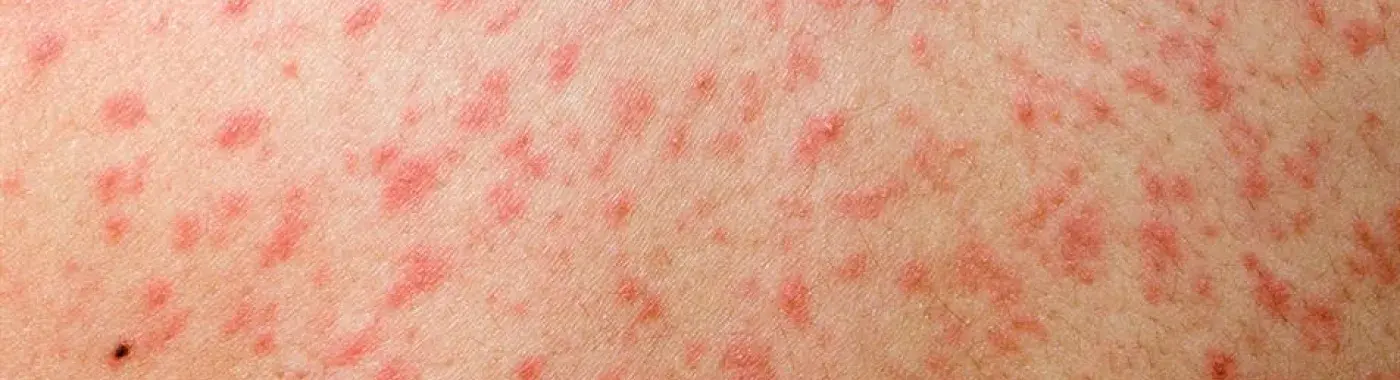
What Is Measles (Rubeola)?
Measles, also known as rubeola, is a highly contagious viral infection that primarily affects the respiratory system. It spreads through droplets released when an infected person coughs or sneezes, and the virus can remain active in the air or on surfaces for several hours. Simply sharing utensils, drinks, or being in the same room as an infected person can lead to transmission.
Caused by the rubeola virus, measles is contagious from four days before to four to five days after the rash appears. The infection is particularly dangerous for unvaccinated children, and in many parts of the world, it remains a leading cause of preventable death.
The virus initially infects the mucus membranes of the nose and throat, and symptoms typically appear 10 to 14 days after exposure. It may begin with general symptoms like fever, runny nose, and cough, followed by the hallmark measles rash that spreads across the body.
Although vaccination has greatly reduced the number of cases globally, measles still occurs in areas with low immunization rates. In 2014, measles caused over 114,000 deaths globally, mostly among children under 5 years of age, according to the World Health Organization (WHO).
If You Suspect Exposure:
If you believe you’ve been exposed and are not vaccinated, it’s critical to:
- Get the measles vaccine within 72 hours of exposure to help prevent infection.
- Alternatively, immune globulin may be administered within six days of exposure to reduce disease severity.
Early detection and timely medical care significantly improve outcomes and reduce the risk of complications.
What Causes Measles?
Measles is caused by the rubeola virus, a highly contagious virus that affects the respiratory system. Once the virus enters the body, usually through the mucous membranes of the nose or throat, it quickly multiplies and spreads, leading to symptoms like fever, cough, and rash.
The virus spreads primarily in two ways:
- Airborne transmission: When an infected person coughs, sneezes, or even talks, tiny droplets carrying the virus become airborne. Anyone nearby can breathe them in and get infected.
- Surface contact: These droplets can settle on surfaces like doorknobs, tables, or toys. The virus can survive on surfaces for up to 2 hours. If a person touches these surfaces and then touches their face (especially mouth, nose, or eyes), the virus can enter the body.
Because of how easily it spreads, measles is one of the most contagious diseases known. Even brief contact with an infected person or contaminated surface can lead to infection if you're not vaccinated.
How Does Measles Spread?
Measles is one of the most contagious viral infections in the world. The virus lives in the mucous membranes of the nose and throat of an infected person and spreads primarily through coughing, sneezing, or even breathing near others.
Once released into the air, measles particles can linger for up to two hours on surfaces or in the air. Simply touching a contaminated surface and then rubbing your eyes, nose, or mouth can result in infection.
Common Ways Measles Spreads:
- Direct contact with an infected person.
- Airborne transmission via respiratory droplets (from coughs or sneezes).
- Touching contaminated objects like doorknobs or furniture and then touching your face.
Even before symptoms appear, the infected person can unknowingly spread the virus. Measles is contagious from 4 days before to 4 days after the rash appears.
Once inside the body, the virus quickly multiplies in areas like the throat, lungs, lymph nodes, and later spreads to the eyes, urinary tract, blood vessels, and even the brain. Symptoms typically begin 9 to 11 days after exposure.
Did you know?
Around 90% of unvaccinated people will get measles if they live in the same household as an infected person.
Because of its high transmission rate, measles outbreaks can spread rapidly especially in communities with low vaccination coverage. That’s why immunization and early isolation of cases are critical to preventing its spread.
What Are the Different Stages of Measles?
Measles progresses in a predictable pattern, typically lasting about 2 to 3 weeks from exposure to recovery. Understanding these stages can help with timely identification and care.
1. Incubation Stage (7–14 days)
- No visible symptoms.
- The virus is silently multiplying in the body after exposure.
- You may feel completely normal, but the infection is taking hold internally.
2. Prodromal Stage (Early Symptoms – 2 to 4 days)
- Begins with mild to moderate fever, dry cough, runny nose, red, watery eyes, and sometimes sore throat.
- Koplik’s spots may appear inside the mouth (tiny white spots on a red background).
- These symptoms resemble a cold or flu, making early measles easy to miss.
3. Rash Stage (4–7 days)
- A reddish-brown rash appears, usually starting on the face (behind the ears and hairline).
- It spreads downward to the neck, trunk, arms, legs, and feet.
- The fever may spike up to 104–105.8°F (40–41°C) as the rash progresses.
- Rash fades in the same pattern it appeared — face clears first, followed by the body.
4. Recovery Stage
- Rash and fever gradually subside.
- You may still feel weak, fatigued, or have lingering cough for several days.
- Skin may peel slightly where the rash was present.
5. Contagious Period
Measles is extremely contagious from.
- 4 days before the rash appears
- To 4 days after the rash has surfaced
Even without symptoms, infected individuals can spread the virus during this period.
Symptoms of Measles
Measles usually begins like a common cold, but quickly progresses into a much more serious illness. One of the earliest clues is the “three C’s”:
- Cough
- Coryza (runny nose)
- Conjunctivitis (red, watery eyes)
These are almost always accompanied by Fever, which can range from mild to very high and may spike again as the rash develops.
Early Symptoms (First 3–4 Days)
- Dry cough
- Runny nose
- Sore throat or irritation in the throat
- Watery, red, and itchy eyes
- Sensitivity to light (photophobia)
- Mild body aches and fatigue
- Koplik’s spots: Tiny white spots with bluish centers, usually inside the mouth on the cheeks and throat — a classic early sign of measles
Rash Development
Around 3 to 4 days after the initial symptoms, the reddish-brown skin rash appears. It typically:
- Begins behind the ears
- Spreads to the face, neck, and upper body
- Progresses to cover the trunk, arms, and legs
- Starts as small red spots but may merge into larger blotchy patches
The rash usually lasts for 5 to 7 days. As the rash spreads, the fever may return or worsen before gradually subsiding.
Note: Measles is highly contagious even before the rash appears. Recognizing early symptoms can help prevent its spread and allow for timely medical care.
Who is at Risk of Developing Measles?
While measles can affect anyone, certain individuals are at higher risk of contracting the virus or developing severe complications. You may be at increased risk if:
- You are unvaccinated:
People who have never received the measles (MMR) vaccine are significantly more likely to contract the virus, especially during outbreaks. - You travel to areas with low immunization rates:
Traveling to countries or regions where measles vaccination coverage is poor puts you at higher risk of exposure to the virus. - You have a weakened immune system:
Individuals with weakened immune systems—due to conditions like HIV/AIDS, cancer, or immune-suppressing medications—may be more vulnerable to infection and complications. - You are deficient in Vitamin A:
A lack of Vitamin A can weaken immune response, making infections like measles more severe and increasing the risk of complications like blindness or pneumonia.
What are the Complications of Measles?
Measles is often perceived as a childhood illness that resolves on its own, but it can lead to serious complications, especially in young children, adults, and individuals with weakened immune systems. If you or your child experiences any of the following, seek immediate medical attention:
- Ear Infections:
A common complication, especially in children. Measles can lead to painful bacterial infections of the middle ear, which may cause temporary hearing loss if left untreated. - Pneumonia:
Measles significantly weakens the immune system, making the body more prone to secondary infections like pneumonia. In fact, pneumonia is one of the leading causes of measles-related deaths. - Encephalitis (Brain Inflammation):
A rare but serious complication, encephalitis can occur soon after recovery or even months later. It can lead to seizures, confusion, or even permanent brain damage in severe cases. - Respiratory Tract Inflammation:
Measles can inflame the larynx (voice box) and trachea (windpipe), causing hoarseness, difficulty breathing, and croup-like symptoms. - Pregnancy Complications:
Pregnant women infected with measles are at higher risk for miscarriage, premature delivery, and low birth weight babies. In some cases, measles can also result in stillbirth.
Diagnosis of Measles
Measles is primarily diagnosed based on clinical signs and exposure history. Doctors typically look for:
- High fever, cough, runny nose, and conjunctivitis
- Presence of Koplik’s spots (tiny white spots inside the cheeks)
- A red, blotchy rash that starts behind the ears and spreads downward
To confirm the diagnosis in uncertain cases or for public health monitoring, doctors may recommend:
- IgM Antibody Blood Test: Detects active measles infection
- RT-PCR Testing: Identifies the measles virus from a throat or nasal swab, or sometimes urine
Laboratory testing is especially useful during outbreaks or in areas where measles is rare, helping avoid misdiagnosis and supporting public health surveillance. Early diagnosis is crucial to manage symptoms, reduce complications, and prevent further spread.
What to Do After Exposure to Measles
Even after exposure to the measles virus, certain preventive measures can significantly reduce the risk of infection or the severity of the illness:
Post-Exposure Vaccination
- The Measles, Mumps, and Rubella (MMR) vaccine, if administered within 72 hours of exposure, may help prevent measles or reduce its severity.
- This is especially recommended for non-immunized individuals, including infants over 6 months of age during outbreaks.
Human Normal Immunoglobulin (HNIG)
- HNIG is an injection of pre-formed antibodies that offers short-term, immediate protection against measles.
- It must be administered within 6 days of exposure and is typically recommended for:
- Infants under 6 months who are too young for vaccination
- Pregnant women who are not fully vaccinated
- Immunocompromised individuals, such as those with HIV/AIDS or undergoing treatment for cancer
Routine MMR Vaccination Schedule
- First dose: Between 12 to 13 months of age
- Second dose: Between 3 to 5 years of age
- In special situations (such as during outbreaks or international travel), the MMR vaccine can be given as early as 6 months of age. However, this early dose must be followed by the regular two-dose schedule for full protection.
What Are the Treatment Options for Measles?
There is no specific antiviral treatment for measles. Management is primarily supportive and focuses on symptom relief and preventing complications.
Symptomatic Treatment Includes:
- Fever Relief: Paracetamol or ibuprofen to reduce fever and ease body aches. Avoid aspirin in children to prevent Reye’s syndrome.
- Hydration: Drink plenty of fluids to stay hydrated.
- Rest: Adequate rest is essential for recovery.
- Humidity: Use a humidifier or steam inhalation to soothe the throat and ease coughing.
- Vitamin A Supplements: High-dose Vitamin A (200,000 IU for two days) is recommended especially for children, as deficiency can worsen symptoms.
If Secondary Infections Develop:
- Antibiotics may be prescribed for bacterial infections like ear infections or pneumonia.
How to Prevent Measles?
Measles is a highly contagious but preventable viral disease. The most effective way to prevent measles is through timely vaccination and practicing appropriate precautions during outbreaks.
1. MMR Vaccination
- Children: The first dose of the Measles-Mumps-Rubella (MMR) vaccine is given at 9–12 months of age. The second dose is administered between 12–15 months. Some immunization schedules may offer the second dose at 3–5 years.
- Adults: If you have never been vaccinated or are unsure about your immunization status, consult a doctor. Adults born in or after 1957 should receive at least one dose of the MMR vaccine unless previously immunized or exposed to the virus.
- Travelers: Individuals planning to travel to areas with active measles outbreaks should ensure they are fully vaccinated, even if it means getting an early dose before 12 months of age. A booster may be recommended post-travel.
2. Vaccination During Outbreaks
- During local outbreaks, infants as young as 6 months may be given the vaccine as a precautionary measure.
- Individuals who have been in close contact with someone diagnosed with measles should consult their doctor about post-exposure vaccination or immunoglobulin therapy.
3. Isolate Infected Individuals
- Measles spreads through airborne droplets. If a family member is diagnosed with measles, keep them isolated for at least 4 days after the rash appears to reduce the risk of transmission.
- Avoid contact with vulnerable individuals such as unvaccinated children, pregnant women, and immunocompromised patients during this period.
4. Promote Community Immunity (Herd Immunity)
- Maintaining high vaccination coverage in the community helps protect those who cannot be vaccinated due to medical conditions.
- Schools, workplaces, and public institutions should encourage up-to-date immunization to prevent outbreaks.
5. Consult Your Doctor About Booster Doses
- In specific circumstances such as outbreak zones, international travel, or exposure to infected individuals, your doctor may advise a booster dose or antibody injections to prevent or lessen the severity of measles.
By staying up to date with immunizations and being proactive during outbreaks, you can effectively protect yourself and your loved ones from measles.
When to See a Doctor for Measles?
You should consult a doctor immediately if:
- You suspect measles exposure
- Symptoms such as high fever, persistent cough, or rash appear
- The fever exceeds 38°C (100.4°F) or lasts more than a few days
- Other symptoms improve, but the fever continues
- The patient is a young child, pregnant, or has a weakened immune system
Which Doctor to Consult?
For children, consult a pediatrician.
For adults, a general physician is the right specialist.
In more severe or complex cases, you may be referred to an infectious disease specialist.
What to Expect During the Doctor Visit?
Your doctor may request you to visit before or after regular hours to reduce the risk of exposing others. If measles is suspected, your doctor is legally required to report it to local health authorities.
Be prepared to answer the following questions:
- Has your child or family member been vaccinated for measles? If yes, when?
- Have you recently traveled abroad or been exposed to someone with measles?
- Are other household members vaccinated?
Your doctor will examine the rash, check for Koplik’s spots, and may confirm the diagnosis with an IgM antibody blood test. If there are signs of dehydration, the doctor may recommend oral rehydration solutions or electrolyte fluids.
Note: The MMR vaccine is extremely safe. Serious side effects are very rare, occurring in less than one in a million doses. Multiple scientific studies confirm there is no link between the MMR vaccine and autism.
Call 1860-500-1066 to book an appointment
Apollo Hospitals has the Best Pediatrician in India. To find the best pediatrician doctors in your nearby city, visit the links below:
- Pediatrician in Bangalore
- Pediatrician in Chennai
- Pediatrician in Hyderabad
- Pediatrician in Delhi
- Pediatrician in Mumbai
- Pediatrician in Kolkata
Conclusion
Timely vaccination remains the most effective way to protect yourself and your loved ones from measles. Children should receive both doses of the MMR vaccine as part of routine immunization. Adults who have never been vaccinated or previously exposed to the virus should consult a doctor about getting immunized, especially before traveling to regions with low vaccination coverage. Preventing measles is not only essential for individual health but also for safeguarding public health and stopping outbreaks before they start.
Frequently Asked Questions (FAQs)
1. How serious is measles?
Measles is more than just a rash and fever—it can lead to complications such as pneumonia, encephalitis (brain inflammation), and even death, particularly in children under five and in regions with limited healthcare access.
2. Can pregnant women get the measles vaccine?
No, the MMR vaccine is not recommended during pregnancy. Women planning pregnancy should get vaccinated at least a month before conception, if not already immune.
3. Is measles a notifiable disease in India?
Yes. Measles is a notifiable disease, meaning healthcare providers are legally required to report confirmed or suspected cases to local public health authorities.
4. How effective is the MMR vaccine?
Two doses of the MMR vaccine are about 97% effective in preventing measles. It's the best protection available and plays a key role in maintaining community immunity.
5. Can adults get measles?
Yes. Unvaccinated adults or those with waning immunity can contract measles, especially during outbreaks or after international travel.
6. Is one dose of MMR enough?
No. One dose provides partial protection, but two doses are necessary for full, long-lasting immunity against measles.
7. Can measles come back after recovery?
A person typically develops lifelong immunity after recovering from measles. However, rare long-term complications like subacute sclerosing panencephalitis (SSPE) can develop years later.
8. Are measles and rubella the same?
No. While both cause a rash and are covered under the MMR vaccine, measles (rubeola) and rubella (German measles) are caused by different viruses and have different health implications.
9. Who should not get the MMR vaccine?
People with severe immune suppression, allergies to vaccine components like gelatin or neomycin, or pregnant women should avoid the MMR vaccine and consult their doctor for alternatives like HNIG.
10. What should I do if I think I’ve been exposed to measles?
If you're unvaccinated or immunocompromised and may have been exposed, contact your doctor immediately. Post-exposure vaccination or immune globulin may help prevent infection or reduce severity.
Apollo Hospitals has the Best Pediatrician in India. To find the best pediatrician doctors in your nearby city, visit the links below:


 Best Hospital Near me Chennai


