

Leishmaniasis - Causes, Symptoms, Diagnosis, Treatment, and Prevention
Leishmaniasis: Understanding the Disease, Its Causes, Symptoms, and Treatment
Introduction
Leishmaniasis is a complex and often misunderstood disease caused by parasites of the genus Leishmania. It is transmitted through the bite of infected sandflies and can lead to a range of health issues, from mild skin lesions to severe systemic disease. The significance of leishmaniasis lies not only in its impact on individual health but also in its public health implications, particularly in endemic regions. This article aims to provide a comprehensive overview of leishmaniasis, including its definition, causes, symptoms, diagnosis, treatment options, complications, prevention strategies, and prognosis.
Definition
What is Leishmaniasis?
Leishmaniasis is a vector-borne disease caused by protozoan parasites belonging to the Leishmania species. There are several forms of leishmaniasis, primarily categorized into three types: cutaneous leishmaniasis, mucocutaneous leishmaniasis, and visceral leishmaniasis. Each type presents different symptoms and health challenges, making it essential to understand the disease's nuances for effective management and prevention.
Causes and Risk Factors
Infectious/Environmental Causes
Leishmaniasis is primarily caused by the bite of infected female sandflies, which are found in tropical and subtropical regions. The Leishmania parasites are transmitted when the sandfly feeds on the blood of a host. Environmental factors such as climate, urbanization, and deforestation can influence the distribution of sandflies and, consequently, the incidence of leishmaniasis. Areas with stagnant water, high humidity, and warm temperatures are particularly conducive to sandfly breeding.
Genetic/Autoimmune Causes
While leishmaniasis is primarily an infectious disease, certain genetic and autoimmune factors may influence an individual's susceptibility to infection. Some people may have genetic predispositions that affect their immune response to Leishmania parasites, making them more vulnerable to severe forms of the disease. However, more research is needed to fully understand these genetic components.
Lifestyle and Dietary Factors
Lifestyle choices and dietary habits can also play a role in the risk of developing leishmaniasis. For instance, individuals who spend significant time outdoors in endemic areas, particularly in rural settings, are at higher risk. Additionally, malnutrition can weaken the immune system, making it harder for the body to fight off infections, including leishmaniasis.
Key Risk Factors
- Geographic Location: Endemic regions include parts of South America, Africa, the Middle East, and Asia.
- Age: Children and older adults may be more susceptible due to weaker immune systems.
- Gender: Males are often at higher risk due to occupational exposure in endemic areas.
- Underlying Conditions: Individuals with compromised immune systems, such as those with HIV/AIDS or diabetes, are at greater risk for severe forms of leishmaniasis.
Symptoms
Common Symptoms of Leishmaniasis
The symptoms of leishmaniasis vary depending on the type of infection:
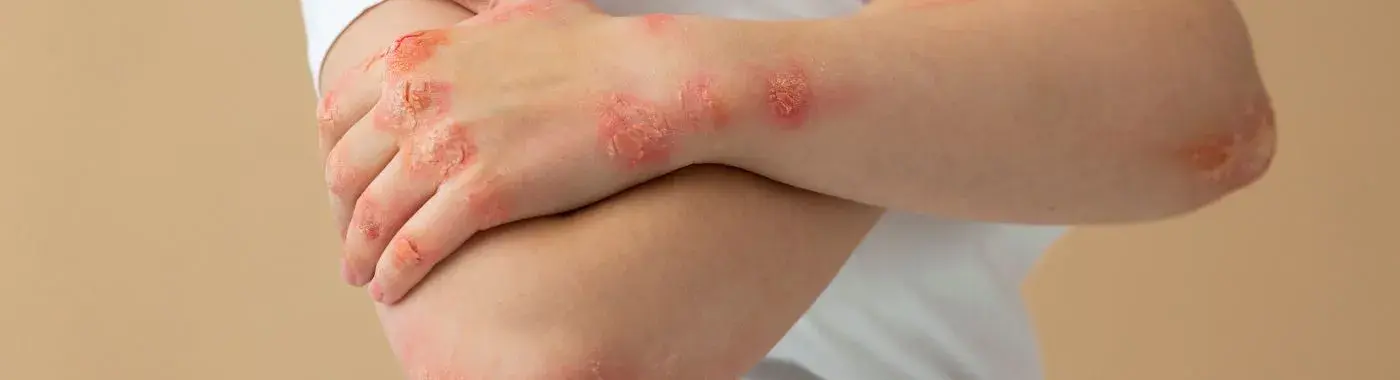
- Cutaneous Leishmaniasis: This form typically presents as skin sores or ulcers that may be painless or painful. The lesions can appear weeks to months after the sandfly bite and may heal spontaneously but can leave scars.
- Mucocutaneous Leishmaniasis: This type affects the mucous membranes, leading to symptoms such as nasal congestion, nosebleeds, and lesions in the mouth and throat. It can cause significant disfigurement if left untreated.
- Visceral Leishmaniasis: Also known as kala-azar, this severe form affects internal organs, particularly the liver and spleen. Symptoms include fever, weight loss, anemia, and swelling of the spleen and liver. This form can be life-threatening if not treated promptly.
Warning Signs
Immediate medical attention should be sought if an individual experiences:
- Rapid weight loss
- Persistent fever
- Severe abdominal pain or swelling
- Difficulty breathing or swallowing
- Signs of secondary infections in skin lesions
Diagnosis
Clinical Evaluation
The diagnosis of leishmaniasis begins with a thorough clinical evaluation, including a detailed patient history and physical examination. Healthcare providers will assess symptoms, potential exposure to sandflies, and any travel history to endemic regions.
Diagnostic Tests
Several diagnostic tests can confirm leishmaniasis:
- Laboratory Tests: Blood tests can detect antibodies against Leishmania or identify the parasite in blood samples.
- Imaging Studies: Ultrasound or CT scans may be used to assess organ involvement, particularly in visceral leishmaniasis.
- Specialized Procedures: A biopsy of skin lesions or bone marrow aspiration may be performed to directly identify the parasite.
Differential Diagnosis
Healthcare providers must consider other conditions that may mimic leishmaniasis, such as other parasitic infections, skin diseases, or systemic illnesses. A thorough differential diagnosis is crucial for accurate treatment.
Treatment Options
Medical Treatments
The treatment of leishmaniasis depends on the type and severity of the disease:
- Cutaneous Leishmaniasis: Localized lesions may heal without treatment, but topical treatments (e.g., paromomycin or imiquimod) or systemic medications (e.g., pentavalent antimonials) may be used for more extensive cases.
- Mucocutaneous Leishmaniasis: Systemic treatment with pentavalent antimonials or amphotericin B is often required to manage this form effectively.
- Visceral Leishmaniasis: This severe form necessitates aggressive treatment with medications such as liposomal amphotericin B or miltefosine. Hospitalization may be required for monitoring and supportive care.
Non-Pharmacological Treatments
In addition to medical treatments, lifestyle modifications can support recovery:
- Dietary Changes: A balanced diet rich in vitamins and minerals can help strengthen the immune system.
- Hygiene Practices: Maintaining good hygiene can prevent secondary infections in skin lesions.
- Alternative Therapies: Some patients may explore complementary therapies, but these should be discussed with healthcare providers to ensure safety and efficacy.
Special Considerations
Treatment approaches may vary for different populations:
- Pediatric Patients: Children may require adjusted dosages and careful monitoring due to their developing bodies.
- Geriatric Patients: Older adults may have comorbidities that complicate treatment, necessitating a tailored approach.
Complications
Potential Complications
If left untreated or poorly managed, leishmaniasis can lead to serious complications:
- Cutaneous Leishmaniasis: Scarring and secondary infections can occur, leading to long-term skin issues.
- Mucocutaneous Leishmaniasis: Severe disfigurement and functional impairment of the nose and mouth can result.
- Visceral Leishmaniasis: This form can be fatal if not treated, leading to complications such as organ failure, severe anemia, and secondary infections.
Short-Term and Long-Term Complications
Short-term complications may include pain and discomfort from lesions, while long-term complications can involve chronic health issues, including psychological effects due to disfigurement and social stigma.
Prevention
Strategies for Prevention
Preventing leishmaniasis involves a combination of strategies:
- Avoiding Sandfly Bites: Use insect repellent, wear long sleeves and pants, and sleep under insecticide-treated bed nets in endemic areas.
- Environmental Management: Reducing standing water and improving sanitation can help control sandfly populations.
- Vaccination: While no vaccine is currently available for leishmaniasis, research is ongoing to develop effective vaccines.
Recommendations
- Hygiene Practices: Regular handwashing and maintaining clean living environments can reduce the risk of infection.
- Dietary Modifications: A nutritious diet can bolster the immune system, making it more resilient against infections.
Prognosis & Long-Term Outlook
Typical Course of the Disease
The prognosis for leishmaniasis varies based on the type of infection and the timeliness of treatment. Cutaneous leishmaniasis often resolves with treatment, while visceral leishmaniasis requires prompt medical intervention to prevent severe outcomes.
Factors Influencing Prognosis
Several factors can influence the overall prognosis:
- Early Diagnosis: Timely identification and treatment significantly improve outcomes.
- Treatment Adherence: Following prescribed treatment regimens is crucial for recovery and preventing complications.
Frequently Asked Questions (FAQs)
- What are the main symptoms of leishmaniasis? Symptoms vary by type but can include skin sores, fever, weight loss, and swelling of the liver or spleen. Immediate medical attention is needed for severe symptoms.
- How is leishmaniasis diagnosed? Diagnosis involves a clinical evaluation, laboratory tests, imaging studies, and sometimes biopsies to confirm the presence of Leishmania parasites.
- What treatments are available for leishmaniasis? Treatments include topical and systemic medications, with options varying based on the type and severity of the disease.
- Can leishmaniasis be prevented? Yes, prevention strategies include avoiding sandfly bites, improving sanitation, and using insect repellents.
- Is leishmaniasis contagious? No, leishmaniasis is not contagious and is transmitted through sandfly bites, not person-to-person contact.
- What are the long-term effects of leishmaniasis? Long-term effects can include scarring, disfigurement, and psychological impacts, particularly from mucocutaneous leishmaniasis.
- Who is at higher risk for leishmaniasis? Individuals living in or traveling to endemic areas, those with weakened immune systems, and outdoor workers are at higher risk.
- How long does treatment for leishmaniasis take? Treatment duration varies; cutaneous leishmaniasis may take weeks, while visceral leishmaniasis may require several weeks to months of therapy.
- Are there any vaccines for leishmaniasis? Currently, there are no approved vaccines for leishmaniasis, but research is ongoing.
- When should I see a doctor for leishmaniasis? Seek medical attention if you experience symptoms like persistent fever, significant weight loss, or skin lesions that do not heal.
When to See a Doctor
Immediate medical attention should be sought if you experience:
- Severe abdominal pain or swelling
- Rapid weight loss or persistent fever
- Difficulty breathing or swallowing
- Signs of secondary infections in skin lesions
Conclusion & Disclaimer
Leishmaniasis is a significant public health concern that requires awareness and understanding. By recognizing the symptoms, understanding the causes, and knowing the treatment options, individuals can take proactive steps to protect themselves and their communities. This article serves as a comprehensive guide to leishmaniasis, but it is essential to consult healthcare professionals for personalized medical advice and treatment.
Disclaimer: This article is for informational purposes only and does not replace professional medical advice. Always consult a healthcare provider for diagnosis and treatment options tailored to your individual needs.


 Best Hospital Near me Chennai


