

Hemifacial Spasm - Causes, Symptoms, Diagnosis, Treatment, and Prevention
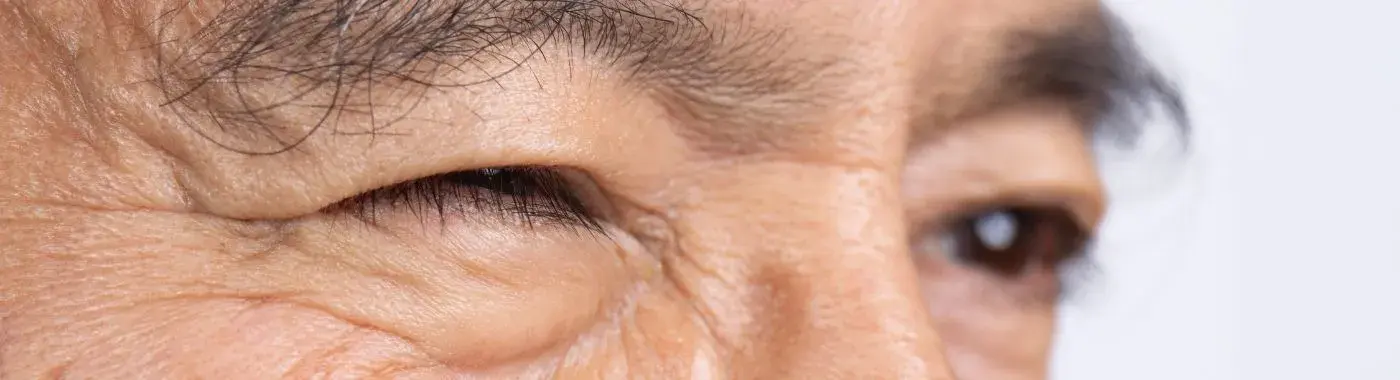
Hemifacial Spasm: Understanding, Diagnosis, and Treatment
Introduction
Hemifacial spasm (HFS) is a neurological condition characterized by involuntary muscle contractions on one side of the face. These spasms can be both distressing and disruptive, affecting a person's quality of life. Understanding hemifacial spasm is crucial not only for those who experience it but also for their families and healthcare providers. This article aims to provide a comprehensive overview of hemifacial spasm, including its causes, symptoms, diagnosis, treatment options, and more.
Definition
What is Hemifacial Spasm?
Hemifacial spasm is a neuromuscular disorder that leads to involuntary contractions of the muscles on one side of the face. These spasms typically begin around the eye and can spread to other facial muscles, including those controlling the mouth and jaw. The condition is often caused by irritation of the facial nerve, which controls the muscles of facial expression. While hemifacial spasm is not life-threatening, it can significantly impact daily activities, social interactions, and emotional well-being.
Causes and Risk Factors
Infectious/Environmental Causes
While the exact cause of hemifacial spasm is not always clear, certain infectious agents and environmental factors may play a role. For instance, viral infections, such as Bell's palsy, can lead to facial nerve irritation. Additionally, exposure to environmental toxins or physical trauma to the face may contribute to the development of this condition.
Genetic/Autoimmune Causes
There is some evidence to suggest that genetic predisposition may influence the likelihood of developing hemifacial spasm. Although it is not classified as a hereditary condition, individuals with a family history of neurological disorders may be at a higher risk. Autoimmune conditions that affect nerve function could also contribute to the onset of hemifacial spasm.
Lifestyle and Dietary Factors
Lifestyle choices and dietary habits may indirectly influence the risk of developing hemifacial spasm. For example, high-stress levels, lack of sleep, and poor nutrition can exacerbate neurological conditions. While no specific dietary factors have been conclusively linked to hemifacial spasm, maintaining a balanced diet and healthy lifestyle may help mitigate symptoms.
Key Risk Factors
- Age: HFS is more common in middle-aged individuals, typically between the ages of 40 and 60.
- Gender: Women are more likely to be affected than men.
- Geographic Location: Some studies suggest that geographic factors may influence the prevalence of HFS, although more research is needed.
- Underlying Conditions: Individuals with a history of facial nerve injury, Bell's palsy, or other neurological disorders may be at increased risk.
Symptoms
Common Symptoms of Hemifacial Spasm
The primary symptom of hemifacial spasm is involuntary muscle contractions on one side of the face. These spasms can vary in intensity and frequency and may include:
- Twitching around the eye: Often the first noticeable symptom, this may progress to more extensive facial spasms.
- Facial grimacing: Involuntary movements may cause the mouth to pull to one side.
- Difficulty with facial expressions: Spasms can interfere with the ability to smile, frown, or perform other facial movements.
Warning Signs for Immediate Medical Attention
While hemifacial spasm itself is not life-threatening, certain symptoms may indicate a more serious underlying condition. Seek immediate medical attention if you experience:
- Sudden onset of facial weakness or paralysis.
- Severe headache or neck stiffness.
- Changes in vision or hearing.
- Difficulty speaking or swallowing.
Diagnosis
Clinical Evaluation
The diagnosis of hemifacial spasm typically begins with a thorough clinical evaluation. Healthcare providers will take a detailed patient history, including the onset and duration of symptoms, any previous facial injuries, and family medical history. A physical examination will focus on the facial muscles and nerve function.
Diagnostic Tests
While hemifacial spasm is primarily diagnosed through clinical evaluation, additional tests may be conducted to rule out other conditions. These may include:
- Electromyography (EMG): This test measures the electrical activity of facial muscles and can help confirm the diagnosis.
- Magnetic Resonance Imaging (MRI): An MRI may be performed to identify any structural abnormalities or lesions affecting the facial nerve.
- CT Scans: In some cases, a CT scan may be used to visualize the facial nerve and surrounding structures.
Differential Diagnosis
Several conditions can mimic the symptoms of hemifacial spasm, making differential diagnosis essential. These may include:
- Bell's Palsy: A sudden weakness or paralysis of the facial muscles, often temporary.
- Tourette Syndrome: A neurological disorder characterized by repetitive, involuntary movements and vocalizations.
- Facial Tics: Involuntary muscle contractions that may occur in various parts of the body.
Treatment Options
Medical Treatments
Treatment for hemifacial spasm may vary based on the severity of symptoms and the underlying cause. Common medical treatments include:
- Botulinum Toxin Injections: Botulinum toxin (Botox) is often the first-line treatment for hemifacial spasm. It works by temporarily paralyzing the affected muscles, reducing spasms.
- Anticonvulsant Medications: Medications such as carbamazepine or gabapentin may be prescribed to help manage symptoms.
- Surgical Options: In severe cases, surgical intervention may be necessary. Microvascular decompression surgery aims to relieve pressure on the facial nerve, potentially providing long-term relief.
Non-Pharmacological Treatments
In addition to medical treatments, several non-pharmacological approaches may help manage hemifacial spasm:
- Lifestyle Modifications: Stress management techniques, such as yoga, meditation, or counseling, can help reduce the frequency and intensity of spasms.
- Dietary Changes: While no specific diet is proven to alleviate hemifacial spasm, a balanced diet rich in vitamins and minerals may support overall nerve health.
- Alternative Therapies: Some individuals find relief through acupuncture, physical therapy, or chiropractic care. However, these should be approached with caution and discussed with a healthcare provider.
Special Considerations for Different Populations
Treatment approaches may vary for different populations, such as pediatric or geriatric patients. Children may respond differently to medications, and careful monitoring is essential. Older adults may have additional health considerations that influence treatment choices.
Complications
Potential Complications of Untreated Hemifacial Spasm
If left untreated, hemifacial spasm can lead to several complications, including:
- Social Isolation: The visible nature of facial spasms may lead to embarrassment and withdrawal from social situations.
- Psychological Impact: Chronic conditions can contribute to anxiety, depression, and reduced quality of life.
- Muscle Atrophy: Prolonged spasms may lead to muscle weakness or atrophy on the affected side of the face.
Short-Term and Long-Term Complications
Short-term complications may include discomfort and difficulty with daily activities, while long-term complications can involve persistent muscle weakness and emotional distress. Early diagnosis and treatment are crucial in preventing these outcomes.
Prevention
Strategies for Preventing Hemifacial Spasm
While not all cases of hemifacial spasm can be prevented, certain strategies may help reduce the risk:
- Vaccinations: Staying up-to-date on vaccinations can help prevent infections that may lead to nerve damage.
- Hygiene Practices: Good hygiene can reduce the risk of infections that may affect the facial nerve.
- Dietary Modifications: A diet rich in antioxidants and anti-inflammatory foods may support nerve health.
- Lifestyle Changes: Regular exercise, stress management, and adequate sleep can contribute to overall well-being and potentially reduce the risk of neurological disorders.
Prognosis & Long-Term Outlook
Typical Course of the Disease
The prognosis for individuals with hemifacial spasm varies. Many people experience significant improvement with treatment, particularly with botulinum toxin injections. However, some may require ongoing management to control symptoms.
Factors Influencing Prognosis
Several factors can influence the overall prognosis, including:
- Early Diagnosis: Prompt identification and treatment of hemifacial spasm can lead to better outcomes.
- Treatment Adherence: Following prescribed treatment plans and attending regular follow-up appointments are essential for effective management.
- Individual Health Factors: Overall health, age, and the presence of other medical conditions can impact recovery prospects.
Frequently Asked Questions (FAQs)
- What causes hemifacial spasm? Hemifacial spasm is primarily caused by irritation of the facial nerve, often due to blood vessel compression. Other factors may include viral infections, trauma, or genetic predisposition.
- How is hemifacial spasm diagnosed? Diagnosis typically involves a clinical evaluation, including patient history and physical examination. Additional tests like electromyography (EMG) and MRI may be used to confirm the diagnosis.
- What are the treatment options for hemifacial spasm? Treatment options include botulinum toxin injections, anticonvulsant medications, and, in severe cases, surgical intervention. Non-pharmacological approaches like lifestyle modifications may also help.
- Can hemifacial spasm be prevented? While not all cases can be prevented, maintaining good hygiene, managing stress, and following a healthy diet may help reduce the risk of developing hemifacial spasm.
- Is hemifacial spasm a serious condition? Hemifacial spasm is not life-threatening, but it can significantly impact quality of life. Early diagnosis and treatment are essential to manage symptoms effectively.
- Are there any complications associated with hemifacial spasm? Untreated hemifacial spasm can lead to social isolation, psychological distress, and muscle atrophy. Early intervention can help prevent these complications.
- How long does treatment for hemifacial spasm last? The effects of botulinum toxin injections typically last for three to six months, after which repeat treatments may be necessary. Other treatments may vary in duration based on individual response.
- Can children develop hemifacial spasm? Yes, while hemifacial spasm is more common in adults, children can also be affected. Treatment approaches may differ for pediatric patients.
- When should I see a doctor for hemifacial spasm? You should seek medical attention if you experience sudden facial weakness, severe headaches, or other concerning symptoms that may indicate a more serious condition.
- What lifestyle changes can help manage hemifacial spasm? Stress management techniques, regular exercise, a balanced diet, and adequate sleep can all contribute to better management of hemifacial spasm symptoms.
When to See a Doctor
It is essential to seek medical attention if you experience any of the following symptoms:
- Sudden facial weakness or paralysis.
- Severe headaches or neck stiffness.
- Changes in vision or hearing.
- Difficulty speaking or swallowing.
Conclusion & Disclaimer
Hemifacial spasm is a complex neurological condition that can significantly impact an individual's quality of life. Understanding its causes, symptoms, and treatment options is crucial for effective management. If you or someone you know is experiencing symptoms of hemifacial spasm, it is essential to consult a healthcare professional for a proper diagnosis and treatment plan.
Disclaimer: This article is for informational purposes only and does not replace professional medical advice. Always consult a healthcare provider for medical concerns or questions regarding your health.


 Best Hospital Near me Chennai


