


Image


Ureteroscopy is a minimally invasive surgical procedure designed to diagnose and treat conditions affecting the ureters and kidneys, particularly kidney stones. At Apollo Hospitals Lucknow, we pride ourselves on our reputation for excellence in urological care, utilising current technology and advanced techniques to work towards the best possible outcomes for our patients. Our team of skilled urologists is dedicated to providing personalised care, ensuring that each patient receives the attention and expertise they deserve. With a focus on patient trust and satisfaction, Apollo Hospitals Lucknow is recognised as one of the leading centres for ureteroscopy in the region.
In practice, "ureteroscopy" covers a family of related operations. Semi-rigid ureteroscopy is used for stones in the lower and middle ureter. Flexible ureteroscopy, also called retrograde intrarenal surgery or RIRS, reaches stones inside the kidney itself. Both are done through the natural urinary passage, so there is no cut on the skin.
Ureteroscopy is often necessary for patients with kidney or ureteric stones that are too large to pass naturally, or that are causing significant pain and complications. The procedure allows direct visualisation of the urinary tract, enabling the surgeon to locate and treat stones or other obstructions effectively.
The medical importance of ureteroscopy is considerable. Its benefits include:
Ureteroscopy is also used to biopsy suspicious areas of the ureter or renal pelvis, to treat narrowing (stricture), and to investigate blood in the urine when scans are inconclusive.
Delaying ureteroscopy can lead to serious complications. Stones left untreated can grow larger, becoming harder to clear and increasing the risk of urinary tract infections, kidney damage and severe pain.
At Apollo Hospitals Lucknow, we emphasise timely intervention. Our team is available to assess urgency and advise whether observation, medical expulsive therapy or surgery is appropriate in your case.
Stone management at Apollo Lucknow follows internationally accepted, evidence-based practice, aligned with the guidance urologists in India commonly reference:
Guidelines are updated periodically and individual recommendations may not apply to every patient; your urologist will explain what applies to you.
Before surgery you can usually expect: urine routine and culture, blood counts, kidney function, blood sugar, coagulation profile, viral markers, ECG, chest imaging if indicated, a CT KUB or ultrasound to confirm current stone position, and an anaesthesia fitness review. If the urine culture grows an organism, antibiotics are given first and surgery is deferred ? this is a safety step, not a delay tactic.
| Option | Best suited for | Anaesthesia and stay | Main advantages | Main limitations |
|---|---|---|---|---|
| Medical expulsive therapy / observation | Small lower ureteric stones, usually under 6 mm, no infection, pain controlled | None; outpatient | No surgery, no anaesthesia | May fail; needs monitoring; not safe with infection or a single kidney |
| Semi-rigid ureteroscopy with laser | Lower and mid ureteric stones | Spinal or general; day care to one night | High single-session clearance; direct vision | Stent discomfort if placed; small risk of ureteric injury |
| Flexible ureteroscopy / RIRS | Kidney stones generally up to about 2 cm, upper ureteric stones, obese patients, patients on blood thinners | Usually general; day care to one night | No skin puncture; low bleeding risk | Larger stones may need more than one sitting; access can fail in a narrow ureter |
| Shockwave lithotripsy (ESWL) | Smaller, softer stones in favourable positions | No anaesthesia or light sedation; outpatient | Non-invasive; no instrument inside the body | Lower single-session clearance; fragments must still pass; less effective for hard or lower-pole stones |
| PCNL / mini-PCNL | Kidney stones above about 2 cm, staghorn stones, hard stones | General; typically two to four days | Highest clearance for large stone burden | Small flank puncture; higher bleeding and transfusion risk |
| Laparoscopic or open ureterolithotomy | Very large impacted stones, failed endoscopy, abnormal anatomy | General; longer stay | Definitive when endoscopy is not feasible | More invasive; longer recovery |
The right choice depends on stone size, hardness on CT, position, kidney anatomy, infection, body weight, bleeding risk and your own preference after discussion.
| Phase | What to expect | What you can do | Cautions |
|---|---|---|---|
| Day 0 (procedure day) | Recovery-room observation, mild burning, pink urine, urinary catheter for a few hours in some cases | Sips of fluid then light diet once permitted; short walks in the ward | Do not drive; have an attendant present |
| Days 1?3 | Burning on passing urine, urgency, mild flank ache, especially with a stent | Home routine, desk work from home, normal Indian home diet | Avoid lifting water buckets, gas cylinders or children |
| Days 4?7 | Symptoms usually settling; occasional blood-tinged urine after activity | Return to office or light field work if comfortable; short two-wheeler rides on good roads | Avoid long bike journeys on rough roads while a stent is in |
| Week 2 to stent removal | Stent-related irritation may persist; removal is a brief outpatient step | Most normal activity, moderate walking | Do not miss the stent removal date ? a forgotten stent can encrust and cause serious problems |
| Weeks 3?6 | Symptoms resolve; imaging or KUB X-ray may be repeated to confirm clearance | Gym, gradual return to sport, farm and factory work | Report recurrent pain or fever promptly |
| 3 months onward | Focus shifts to preventing recurrence | Metabolic tests, diet and fluid plan | Stones recur in a significant proportion of patients without prevention |
These are general markers. Follow the specific advice given at your discharge.
Stone disease is common across the North Indian "stone belt", including Uttar Pradesh, and recurrence is frequent without prevention. Practical measures:
Paediatric ureteroscopy is performed with smaller-calibre scopes and always under general anaesthesia. Children need careful assessment for underlying metabolic or anatomical causes, since stones in childhood are more likely to have an identifiable cause and to recur. Radiation exposure is minimised by preferring ultrasound and low-dose protocols.
Ureteroscopy is often the preferred option in elderly patients, including those with cardiac disease or on blood thinners, because bleeding risk is lower than with PCNL. Preparation includes cardiac and anaesthetic assessment, careful medication review, attention to kidney function and hydration, and planning for early mobilisation to avoid falls and clots. Family caregiving matters: in joint families, identify one person who will attend follow-up and manage medicines, and inform them about the stent removal date.
Declining or postponing treatment is your right, and for a small, non-obstructing, asymptomatic stone it may be a reasonable choice with periodic scans. However, for an obstructing or infected stone the risks are real:
If you decide to wait, agree on a written follow-up plan with imaging and kidney function tests rather than simply not returning.
Apollo Hospitals Lucknow does not publish a single fixed price for ureteroscopy, because the final estimate depends on the clinical picture. Please ask the reception or billing desk for a written estimate for your case. The factors below determine where your estimate falls.
| Factor | Why it changes the estimate |
|---|---|
| Type of ureteroscopy | Semi-rigid URS is usually simpler than flexible URS/RIRS, which uses costlier scopes and disposables |
| Stone size, number and side | Multiple or bilateral stones may need longer theatre time or a second sitting |
| Laser and consumables | Laser fibres, guidewires, baskets, access sheaths and the DJ stent are itemised |
| Anaesthesia type and duration | General anaesthesia and longer procedures cost more than short spinal cases |
| Room category | General ward, twin sharing, private or suite rooms carry different tariffs and often different package rates |
| Length of stay | Day care versus overnight versus extended stay for infection or comorbidity |
| Pre-operative workup | CT KUB, cultures, cardiac clearance, additional physician review |
| Comorbidities | Diabetes, cardiac disease, reduced kidney function or immunosuppression may need ICU monitoring or longer antibiotics |
| Complications or unplanned steps | Nephrostomy, conversion to another procedure, or treatment of sepsis |
| Stent removal | A separate short outpatient or day-care visit, sometimes billed separately from the main package |
| Follow-up imaging and metabolic tests | Repeat ultrasound, X-ray KUB, stone analysis and 24-hour urine studies |
Contact the hospital or attend the emergency department if, after your procedure, you have:
Mild burning, urgency, a little blood at the end of urination and a dragging ache in the flank while a stent is in place are expected and usually settle.
Apollo Hospitals Lucknow receives stone patients from across central and eastern Uttar Pradesh and neighbouring states ? including Barabanki, Sitapur, Hardoi, Unnao, Rae Bareli, Sultanpur, Amethi, Ayodhya, Gonda, Bahraich, Basti, Lakhimpur Kheri, Kanpur, Pratapgarh, Jaunpur, Azamgarh, Gorakhpur, Varanasi, Prayagraj, Bareilly and parts of Bihar, Uttarakhand and Nepal.
| Detail | Information |
|---|---|
| Hospital | Apollomedics Super Speciality Hospital (Apollo Hospitals), Lucknow |
| Address | Kanpur?Lucknow Road, Sector B, Bargawan, LDA Colony, Lucknow, Uttar Pradesh 226012 |
| Department | Urology and Renal Sciences ? endourology and stone clinic |
| Appointments | Through the official Apollo Hospitals Lucknow website procedure page, the Apollo 24|7 app or website, or by calling the hospital's central appointment line listed on the official website |
| Emergency | Emergency and casualty services operate 24x7; obstructed or infected stones should be brought directly to the emergency department |
| Helpline and email | Please use the phone number and email address published on the official Apollo Hospitals Lucknow website, as these are updated from time to time |
| OPD and visiting timings | Consultant-wise OPD timings and ward visiting hours are not published for this procedure page; they are confirmed at the time of booking |
| Insurance and TPA desk | Available at the hospital; contact at least 48?72 hours before a planned admission to begin cashless pre-authorisation |
Ureteroscopy is a minimally invasive procedure used to diagnose and treat conditions of the ureters and kidneys, primarily stones. A thin ureteroscope is passed through the urethra and bladder into the ureter, and the stone is seen directly and either removed with a basket or broken with a laser. No cut is made on the skin.
While generally safe, potential risks include bleeding, infection, stent discomfort and, uncommonly, injury or perforation of the ureter. Rarely, a stricture can develop later. These complications are uncommon in experienced hands, but no procedure is risk-free.
It usually takes about 30 minutes to an hour, depending on stone size, position and hardness. Flexible ureteroscopy for kidney stones may take longer. Your surgeon will give a case-specific estimate.
Most patients resume light routine within a few days. Follow post-operative instructions and avoid strenuous activity and heavy lifting for at least a week, and longer if a stent is in place.
You can book through the official Apollo Hospitals Lucknow website or its procedure page, through the Apollo 24|7 platform, or by calling the appointment number listed on the official site. The team will arrange a slot with a urologist.
Not always. Guidelines say routine stenting is not required after uncomplicated ureteroscopy, so some patients go home stent-free. When a stent is used ? after difficult access, ureteric swelling, a single kidney or residual fragments ? it typically stays for one to four weeks.
A stent sits partly in the bladder and irritates it, causing urgency, frequency, burning and a dragging ache in the flank when you pass urine. This is well recognised and usually improves with prescribed medication and hydration. It settles completely once the stent is removed.
Removal is usually a brief outpatient procedure using a fine flexible cystoscope with local anaesthetic jelly, taking a few minutes. Most patients describe it as uncomfortable rather than painful. Some stents have a thread that allows removal without a scope.
Yes, because there is no skin wound to strain. With a stent in place, deep squatting may briefly worsen flank ache or cause blood-tinged urine, which is common and not dangerous. If it bothers you, use a Western toilet or a raised stool until the stent is removed.
They are different tools. Ureteroscopy clears more stones in a single session, while ESWL avoids anaesthesia and instrumentation but often needs repeat sessions and relies on fragments passing on their own. The right choice depends on stone size, hardness on CT, position and your preference.
Often yes for a single ureteric stone, but larger or multiple kidney stones may need a second sitting. Your urologist should tell you before surgery whether a staged approach is likely. Follow-up imaging confirms whether clearance is complete.


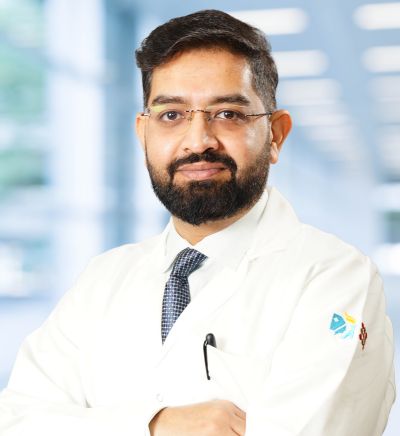
 Available on sunday

The information provided on this page is intended for general informational and educational purposes only. While we make reasonable efforts to ensure that the information is accurate, reliable, and regularly reviewed, it should not be considered a substitute for professional medical advice, diagnosis, or treatment.
The suitability of a medical procedure, along with its benefits, risks, preparation, recovery, potential complications, and expected outcomes, may vary from person to person. Your healthcare professional will determine whether a procedure is appropriate based on your individual condition and medical history.
Please consult a qualified healthcare professional for personalized advice before making decisions regarding any medical procedure.
For more information about how our medical content is created, reviewed, updated, and maintained, please read our [Editorial Policy].



 Best Hospital Near me Chennai
Best Hospital Near me Bangalore
Best Hospital Near me Hyderabad
Best Hospital Near me Mumbai
Best Hospital Near me Delhi
Best Hospital Near me Kolkata
Best Hospital Near me Pune
Best Hospital Near me Ahmedabad
Best Hospital Near me Bhubaneswar
Best Hospital Near me Bilaspur
Best Hospital Near me Guwahati
Best Hospital Near me Indore
Best Hospital Near me Kochi
Best Hospital Near me Lucknow
Best Hospital Near me Madurai
Best Hospital Near me Mysore
Best Hospital Near me Nashik
Best Hospital Near me Noida
Best Hospital Near me Rourkela
Best Hospital Near me Visakhapatnam
Cardiologist Near me in Chennai
Cardiologist Near me in Bangalore
Cardiologist Near me in Hyderabad
Cardiologist Near me in Mumbai
Cardiologist Near me in Delhi
Cardiologist Near me in Kolkata
Cardiologist Near me in Pune
Cardiologist Near me in Ahmedabad
Cardiologist Near me in Bhubaneswar
Cardiologist Near me in Bilaspur
Cardiologist Near me in Guwahati
Cardiologist Near me in Indore
Cardiologist Near me in Kochi
Cardiologist Near me in Lucknow
Cardiologist Near me in Madurai
Cardiologist Near me in Mysore
Cardiologist Near me in Nashik
Cardiologist Near me in Noida
Cardiologist Near me in Rourkela
Cardiologist Near me in Visakhapatnam
Neurologist Near me in Chennai
Neurologist Near me in Bangalore
Neurologist Near me in Hyderabad
Neurologist Near me in Mumbai
Neurologist Near me in Delhi
Neurologist Near me in Kolkata
Neurologist Near me in Ahmedabad
Neurologist Near me in Bhubaneswar
Neurologist Near me in Bilaspur
Neurologist Near me in Guwahati
Neurologist Near me in Indore
Neurologist Near me in Kochi
Neurologist Near me in Lucknow
Neurologist Near me in Madurai
Neurologist Near me in Mysore
Neurologist Near me in Nashik
Neurologist Near me in Noida
Neurologist Near me in Rourkela
Neurologist Near me in Visakhapatnam
Orthopedician Near me in Chennai
Orthopedician Near me in Bangalore
Orthopedician Near me in Hyderabad
Orthopedician Near me in Mumbai
Orthopedician Near me in Delhi
Orthopedician Near me in Kolkata
Orthopedician Near me in Pune
Orthopedician Near me in Ahmedabad
Orthopedician Near me in Bhubaneswar
Orthopedician Near me in Bilaspur
Orthopedician Near me in Guwahati
Orthopedician Near me in Indore
Orthopedician Near me in Kochi
Orthopedician Near me in Lucknow
Orthopedician Near me in Madurai
Orthopedician Near me in Mysore
Orthopedician Near me in Nashik
Orthopedician Near me in Noida
Orthopedician Near me in Rourkela
Orthopedician Near me in Visakhapatnam
Oncologist Near me in Chennai
Oncologist Near me in Bangalore
Oncologist Near me in Hyderabad
Oncologist Near me in Mumbai
Oncologist Near me in Delhi
Oncologist Near me in Kolkata
Oncologist Near me in Pune
Oncologist Near me in Ahmedabad
Oncologist Near me in Bhubaneswar
Oncologist Near me in Bilaspur
Oncologist Near me in Guwahati
Oncologist Near me in Indore
Oncologist Near me in Kochi
Oncologist Near me in Lucknow
Oncologist Near me in Madurai
Oncologist Near me in Mysore
Oncologist Near me in Nashik
Oncologist Near me in Noida
Oncologist Near me in Rourkela
Gastroenterologist Near me in Chennai
Gastroenterologist Near me in Bangalore
Gastroenterologist Near me in Hyderabad
Gastroenterologist Near me in Mumbai
Gastroenterologist Near me in Delhi
Gastroenterologist Near me in Kolkata
Gastroenterologist Near me in Pune
Gastroenterologist Near me in Ahmedabad
Gastroenterologist Near me in Bhubaneswar
Gastroenterologist Near me in Bilaspur
Gastroenterologist Near me in Guwahati
Gastroenterologist Near me in Indore
Gastroenterologist Near me in Kochi
Gastroenterologist Near me in Lucknow
Gastroenterologist Near me in Madurai
Gastroenterologist Near me in Mysore
Gastroenterologist Near me in Nashik
Gastroenterologist Near me in Noida
Gastroenterologist Near me in Rourkela
Gastroenterologist Near me in Visakhapatnam
Transplant Surgeon Near me in Chennai
Transplant Surgeon Near me in Bangalore
Transplant Surgeon Near me in Hyderabad
Transplant Surgeon Near me in Mumbai
Transplant Surgeon Near me in Delhi
Transplant Surgeon Near me in Kolkata
Transplant Surgeon Near me in Indore
Transplant Surgeon Near me in Kochi
Transplant Surgeon Near me in Lucknow
Transplant Surgeon Near me in Mysore
ENT Specialist Near me in Chennai
ENT Specialist Near me in Bangalore
ENT Specialist Near me in Hyderabad
ENT Specialist Near me in Mumbai
ENT Specialist Near me in Delhi
ENT Specialist Near me in Kolkata
ENT Specialist Near me in Pune
ENT Specialist Near me in Ahmedabad
ENT Specialist Near me in Bhubaneswar
ENT Specialist Near me in Bilaspur
ENT Specialist Near me in Guwahati
ENT Specialist Near me in Indore
ENT Specialist Near me in Kochi
ENT Specialist Near me in Lucknow
ENT Specialist Near me in Madurai
ENT Specialist Near me in Mysore
ENT Specialist Near me in Nashik
ENT Specialist Near me in Noida
ENT Specialist Near me in Rourkela
ENT Specialist Near me in Visakhapatnam
Pulmonologist Near me in Chennai
Pulmonologist Near me in Bangalore
Pulmonologist Near me in Hyderabad
Pulmonologist Near me in Mumbai
Pulmonologist Near me in Delhi
Pulmonologist Near me in Kolkata
Pulmonologist Near me in Ahmedabad
Pulmonologist Near me in Bhubaneswar
Pulmonologist Near me in Bilaspur
Pulmonologist Near me in Guwahati
Pulmonologist Near me in Indore
Pulmonologist Near me in Kochi
Pulmonologist Near me in Lucknow
Pulmonologist Near me in Madurai
Pulmonologist Near me in Mysore
Pulmonologist Near me in Nashik
Pulmonologist Near me in Noida
Pulmonologist Near me in Rourkela
Pulmonologist Near me in Visakhapatnam
Dentist Near me in Chennai
Dentist Near me in Bangalore
Dentist Near me in Hyderabad
Dentist Near me in Delhi
Dentist Near me in Kolkata
Dentist Near me in Ahmedabad
Dentist Near me in Bhubaneswar
Dentist Near me in Bilaspur
Dentist Near me in Guwahati
Dentist Near me in Kochi
Dentist Near me in Lucknow
Dentist Near me in Madurai
Dentist Near me in Nashik
Dentist Near me in Noida
Dentist Near me in Rourkela
Dentist Near me in Visakhapatnam
Pediatrician Near me in Chennai
Pediatrician Near me in Bangalore
Pediatrician Near me in Hyderabad
Pediatrician Near me in Mumbai
Pediatrician Near me in Delhi
Pediatrician Near me in Kolkata
Pediatrician Near me in Pune
Pediatrician Near me in Ahmedabad
Pediatrician Near me in Bhubaneswar
Pediatrician Near me in Bilaspur
Pediatrician Near me in Guwahati
Pediatrician Near me in Indore
Pediatrician Near me in Kochi
Pediatrician Near me in Lucknow
Pediatrician Near me in Madurai
Pediatrician Near me in Mysore
Pediatrician Near me in Nashik
Pediatrician Near me in Noida
Pediatrician Near me in Visakhapatnam
Dermatologist Near me in Chennai
Dermatologist Near me in Bangalore
Dermatologist Near me in Hyderabad
Dermatologist Near me in Delhi
Dermatologist Near me in Kolkata
Dermatologist Near me in Ahmedabad
Dermatologist Near me in Bhubaneswar
Dermatologist Near me in Bilaspur
Dermatologist Near me in Guwahati
Dermatologist Near me in Indore
Dermatologist Near me in Kochi
Dermatologist Near me in Lucknow
Dermatologist Near me in Madurai
Dermatologist Near me in Mysore
Dermatologist Near me in Noida
Dermatologist Near me in Visakhapatnam
Urologist Near me in Chennai
Urologist Near me in Bangalore
Urologist Near me in Hyderabad
Urologist Near me in Delhi
Urologist Near me in Kolkata
Urologist Near me in Pune
Urologist Near me in Ahmedabad
Urologist Near me in Bhubaneswar
Urologist Near me in Bilaspur
Urologist Near me in Guwahati
Urologist Near me in Indore
Urologist Near me in Kochi
Urologist Near me in Lucknow
Urologist Near me in Madurai
Urologist Near me in Mysore
Urologist Near me in Nashik
Urologist Near me in Noida
Urologist Near me in Rourkela
Urologist Near me in Visakhapatnam
Endocrinologist and Diabetologist Near me in Chennai
Endocrinologist and Diabetologist Near me in Bangalore
Endocrinologist and Diabetologist Near me in Hyderabad
Endocrinologist and Diabetologist Near me in Mumbai
Endocrinologist and Diabetologist Near me in Delhi
Endocrinologist and Diabetologist Near me in Kolkata
Endocrinologist and Diabetologist Near me in Pune
Endocrinologist and Diabetologist Near me in Ahmedabad
Endocrinologist and Diabetologist Near me in Bhubaneswar
Endocrinologist and Diabetologist Near me in Bilaspur
Endocrinologist and Diabetologist Near me in Guwahati
Endocrinologist and Diabetologist Near me in Indore
Endocrinologist and Diabetologist Near me in Kochi
Endocrinologist and Diabetologist Near me in Lucknow
Endocrinologist and Diabetologist Near me in Madurai
Endocrinologist and Diabetologist Near me in Mysore
Endocrinologist and Diabetologist Near me in Noida
Endocrinologist and Diabetologist Near me in Rourkela
Endocrinologist and Diabetologist Near me in Visakhapatnam
Gynecologist Near me in Chennai
Gynecologist Near me in Bangalore
Gynecologist Near me in Hyderabad
Gynecologist Near me in Mumbai
Gynecologist Near me in Delhi
Gynecologist Near me in Kolkata
Gynecologist Near me in Ahmedabad
Gynecologist Near me in Bhubaneswar
Gynecologist Near me in Bilaspur
Gynecologist Near me in Guwahati
Gynecologist Near me in Indore
Gynecologist Near me in Kochi
Gynecologist Near me in Lucknow
Gynecologist Near me in Madurai
Gynecologist Near me in Mysore
Gynecologist Near me in Nashik
Gynecologist Near me in Noida
Gynecologist Near me in Rourkela
Gynecologist Near me in Visakhapatnam
General Physician Near me in Chennai
General Physician Near me in Bangalore
General Physician Near me in Hyderabad
General Physician Near me in Mumbai
General Physician Near me in Delhi
General Physician Near me in Kolkata
General Physician Near me in Pune
General Physician Near me in Ahmedabad
General Physician Near me in Bhubaneswar
General Physician Near me in Bilaspur
General Physician Near me in Guwahati
General Physician Near me in Indore
General Physician Near me in Kochi
General Physician Near me in Lucknow
General Physician Near me in Madurai
General Physician Near me in Mysore
General Physician Near me in Nashik
General Physician Near me in Noida
General Physician Near me in Visakhapatnam
Psychologist Near me in Chennai
Psychologist Near me in Bangalore
Psychologist Near me in Hyderabad
Psychologist Near me in Mumbai
Psychologist Near me in Delhi
Psychologist Near me in Kolkata
Psychologist Near me in Ahmedabad
Psychologist Near me in Bhubaneswar
Psychologist Near me in Bilaspur
Psychologist Near me in Guwahati
Psychologist Near me in Indore
Psychologist Near me in Kochi
Psychologist Near me in Lucknow
Psychologist Near me in Madurai
Psychologist Near me in Mysore
Psychologist Near me in Nashik
Psychologist Near me in Noida
Psychologist Near me in Visakhapatnam
General Surgeon Near me in Chennai
General Surgeon Near me in Bangalore
General Surgeon Near me in Hyderabad
General Surgeon Near me in Mumbai
General Surgeon Near me in Delhi
General Surgeon Near me in Kolkata
General Surgeon Near me in Pune
General Surgeon Near me in Ahmedabad
General Surgeon Near me in Bhubaneswar
General Surgeon Near me in Bilaspur
General Surgeon Near me in Guwahati
General Surgeon Near me in Indore
General Surgeon Near me in Lucknow
General Surgeon Near me in Madurai
General Surgeon Near me in Mysore
General Surgeon Near me in Nashik
General Surgeon Near me in Noida
General Surgeon Near me in Rourkela
Best Hospital in Karukutty, Cochin
Best Hospital in Greams Road, Chennai
Best Hospital in Kuvempunagar, Mysore
Best Hospital in Vanagaram, Chennai
Best Hospital in Teynampet, Chennai
Best Hospital in OMR, Chennai
Best Cancer Hospital in Bhat, Gandhinagar, Ahmedabad
Best Cancer Hospital in Electronic City, Bangalore
Best Cancer Hospital in Teynampet, Chennai
Best Cancer Hospital in HSR Layout, Bangalore
Best Proton Cancer Centre in Chennai
Best Children's Hospital in Thousand Lights, Chennai
Best Women’s Hospital in Thousand Lights, Chennai
Best Hospital in Paschim Boragaon, Guwahati
Best Hospital in P H Road, Chennai
Best Heart Centre in Thousand Lights, Chennai
Best Hospital in Jubilee Hills, Hyderabad
Best Hospital in Tondiarpet, Chennai
Best Hospital in Kotturpuram, Chennai
Best Hospital in Kovai Road, Karur
Best Hospital in Karapakkam, Chennai
Best Hospital in Arilova, Vizag
Best Hospital in Kanpur Road, Lucknow
Best Hospital in Sector-26, Noida
Best Hospital in Gandhinagar, Ahmedabad
Best Hospital in Aragonda, Andhra Pradesh
Best Hospital in Bannerghatta Road, Bangalore
Best Hospital in Unit-15, Bhubaneswar
Best Hospital in Seepat Road, Bilaspur
Best Hospital in Ellisbridge, Ahmedabad
Best Hospital in New Delhi
Best Hospital in DRDO, Hyderabad
Best Hospital in G S Road, Guwahati
Best Hospital in Hyderguda, Hyderabad
Best Hospital in Vijay Nagar, Indore
Best Hospital in Suryaraopeta Main Road, Kakinada
Best Hospital in Canal Circular Road, Kolkata
Best Hospital in CBD Belapur, Navi Mumbai
Best Hospital in Panchavati, Nashik
Best Hospital in secunderabad, Hyderabad
Best Hospital in Seshadripuram, Bangalore
Best Hospital in Waltair Main Road, Visakhapatnam
Best Hospital in Subhash Nagar Road, Karimnagar
Best Hospital in Managari, Karaikudi
Best Hospital in Arepally, Warangal
Best Hospital in Arera Colony, Bhopal
Best Hospital in Jayanagar, Bangalore
Best Hospital in KK Nagar, Madurai
Best Hospital in Ramji Nagar, Nellore
Best Hospital in Sector-19, Rourkela
Best Hospital in Swargate, Pune
Best Women’s Cancer Hospital in South Delhi
CABG
CAR T Cell Therapy
Laparoscopic Cholecystectomy
Hysterectomy
Kidney Transplant
Extracorporeal Shockwave Lithotripsy
Liver Transplant
Lung Transplant
Hip Arthroscopy
Total Hip Replacement
Proton Therapy
Minimally Invasive Subvastus Total Knee Replacement
Fast Track Daycare Knee Replacement
Sleeve Gastrectomy
Lasik Surgery
Rhinoplasty
Liposuction
Coronary Angiogram
Transcatheter Aortic Valve Replacement
MitraClip Valve Repair
Minimally Invasive Cardiac Surgery
Catheter Ablation
ACL Reconstruction Surgery
Reverse Shoulder Replacement
Endometrial Ablation
Uterine Artery Embolization
Ovarian Cystectomy
Breast Cancer Surgery
Brachytherapy
Colonoscopy
Polypectomy
Deep Brain Stimulation
Peritoneal Dialysis
Kidney Biopsy
Parathyroidectomy
Cytoreductive Surgery
Ceramic Total Knee Replacement
ERCP
Best Hospital Near me Chennai
Best Hospital Near me Bangalore
Best Hospital Near me Hyderabad
Best Hospital Near me Mumbai
Best Hospital Near me Delhi
Best Hospital Near me Kolkata
Best Hospital Near me Pune
Best Hospital Near me Ahmedabad
Best Hospital Near me Bhubaneswar
Best Hospital Near me Bilaspur
Best Hospital Near me Guwahati
Best Hospital Near me Indore
Best Hospital Near me Kochi
Best Hospital Near me Lucknow
Best Hospital Near me Madurai
Best Hospital Near me Mysore
Best Hospital Near me Nashik
Best Hospital Near me Noida
Best Hospital Near me Rourkela
Best Hospital Near me Visakhapatnam
Cardiologist Near me in Chennai
Cardiologist Near me in Bangalore
Cardiologist Near me in Hyderabad
Cardiologist Near me in Mumbai
Cardiologist Near me in Delhi
Cardiologist Near me in Kolkata
Cardiologist Near me in Pune
Cardiologist Near me in Ahmedabad
Cardiologist Near me in Bhubaneswar
Cardiologist Near me in Bilaspur
Cardiologist Near me in Guwahati
Cardiologist Near me in Indore
Cardiologist Near me in Kochi
Cardiologist Near me in Lucknow
Cardiologist Near me in Madurai
Cardiologist Near me in Mysore
Cardiologist Near me in Nashik
Cardiologist Near me in Noida
Cardiologist Near me in Rourkela
Cardiologist Near me in Visakhapatnam
Neurologist Near me in Chennai
Neurologist Near me in Bangalore
Neurologist Near me in Hyderabad
Neurologist Near me in Mumbai
Neurologist Near me in Delhi
Neurologist Near me in Kolkata
Neurologist Near me in Ahmedabad
Neurologist Near me in Bhubaneswar
Neurologist Near me in Bilaspur
Neurologist Near me in Guwahati
Neurologist Near me in Indore
Neurologist Near me in Kochi
Neurologist Near me in Lucknow
Neurologist Near me in Madurai
Neurologist Near me in Mysore
Neurologist Near me in Nashik
Neurologist Near me in Noida
Neurologist Near me in Rourkela
Neurologist Near me in Visakhapatnam
Orthopedician Near me in Chennai
Orthopedician Near me in Bangalore
Orthopedician Near me in Hyderabad
Orthopedician Near me in Mumbai
Orthopedician Near me in Delhi
Orthopedician Near me in Kolkata
Orthopedician Near me in Pune
Orthopedician Near me in Ahmedabad
Orthopedician Near me in Bhubaneswar
Orthopedician Near me in Bilaspur
Orthopedician Near me in Guwahati
Orthopedician Near me in Indore
Orthopedician Near me in Kochi
Orthopedician Near me in Lucknow
Orthopedician Near me in Madurai
Orthopedician Near me in Mysore
Orthopedician Near me in Nashik
Orthopedician Near me in Noida
Orthopedician Near me in Rourkela
Orthopedician Near me in Visakhapatnam
Oncologist Near me in Chennai
Oncologist Near me in Bangalore
Oncologist Near me in Hyderabad
Oncologist Near me in Mumbai
Oncologist Near me in Delhi
Oncologist Near me in Kolkata
Oncologist Near me in Pune
Oncologist Near me in Ahmedabad
Oncologist Near me in Bhubaneswar
Oncologist Near me in Bilaspur
Oncologist Near me in Guwahati
Oncologist Near me in Indore
Oncologist Near me in Kochi
Oncologist Near me in Lucknow
Oncologist Near me in Madurai
Oncologist Near me in Mysore
Oncologist Near me in Nashik
Oncologist Near me in Noida
Oncologist Near me in Rourkela
Gastroenterologist Near me in Chennai
Gastroenterologist Near me in Bangalore
Gastroenterologist Near me in Hyderabad
Gastroenterologist Near me in Mumbai
Gastroenterologist Near me in Delhi
Gastroenterologist Near me in Kolkata
Gastroenterologist Near me in Pune
Gastroenterologist Near me in Ahmedabad
Gastroenterologist Near me in Bhubaneswar
Gastroenterologist Near me in Bilaspur
Gastroenterologist Near me in Guwahati
Gastroenterologist Near me in Indore
Gastroenterologist Near me in Kochi
Gastroenterologist Near me in Lucknow
Gastroenterologist Near me in Madurai
Gastroenterologist Near me in Mysore
Gastroenterologist Near me in Nashik
Gastroenterologist Near me in Noida
Gastroenterologist Near me in Rourkela
Gastroenterologist Near me in Visakhapatnam
Transplant Surgeon Near me in Chennai
Transplant Surgeon Near me in Bangalore
Transplant Surgeon Near me in Hyderabad
Transplant Surgeon Near me in Mumbai
Transplant Surgeon Near me in Delhi
Transplant Surgeon Near me in Kolkata
Transplant Surgeon Near me in Indore
Transplant Surgeon Near me in Kochi
Transplant Surgeon Near me in Lucknow
Transplant Surgeon Near me in Mysore
ENT Specialist Near me in Chennai
ENT Specialist Near me in Bangalore
ENT Specialist Near me in Hyderabad
ENT Specialist Near me in Mumbai
ENT Specialist Near me in Delhi
ENT Specialist Near me in Kolkata
ENT Specialist Near me in Pune
ENT Specialist Near me in Ahmedabad
ENT Specialist Near me in Bhubaneswar
ENT Specialist Near me in Bilaspur
ENT Specialist Near me in Guwahati
ENT Specialist Near me in Indore
ENT Specialist Near me in Kochi
ENT Specialist Near me in Lucknow
ENT Specialist Near me in Madurai
ENT Specialist Near me in Mysore
ENT Specialist Near me in Nashik
ENT Specialist Near me in Noida
ENT Specialist Near me in Rourkela
ENT Specialist Near me in Visakhapatnam
Pulmonologist Near me in Chennai
Pulmonologist Near me in Bangalore
Pulmonologist Near me in Hyderabad
Pulmonologist Near me in Mumbai
Pulmonologist Near me in Delhi
Pulmonologist Near me in Kolkata
Pulmonologist Near me in Ahmedabad
Pulmonologist Near me in Bhubaneswar
Pulmonologist Near me in Bilaspur
Pulmonologist Near me in Guwahati
Pulmonologist Near me in Indore
Pulmonologist Near me in Kochi
Pulmonologist Near me in Lucknow
Pulmonologist Near me in Madurai
Pulmonologist Near me in Mysore
Pulmonologist Near me in Nashik
Pulmonologist Near me in Noida
Pulmonologist Near me in Rourkela
Pulmonologist Near me in Visakhapatnam
Dentist Near me in Chennai
Dentist Near me in Bangalore
Dentist Near me in Hyderabad
Dentist Near me in Delhi
Dentist Near me in Kolkata
Dentist Near me in Ahmedabad
Dentist Near me in Bhubaneswar
Dentist Near me in Bilaspur
Dentist Near me in Guwahati
Dentist Near me in Kochi
Dentist Near me in Lucknow
Dentist Near me in Madurai
Dentist Near me in Nashik
Dentist Near me in Noida
Dentist Near me in Rourkela
Dentist Near me in Visakhapatnam
Pediatrician Near me in Chennai
Pediatrician Near me in Bangalore
Pediatrician Near me in Hyderabad
Pediatrician Near me in Mumbai
Pediatrician Near me in Delhi
Pediatrician Near me in Kolkata
Pediatrician Near me in Pune
Pediatrician Near me in Ahmedabad
Pediatrician Near me in Bhubaneswar
Pediatrician Near me in Bilaspur
Pediatrician Near me in Guwahati
Pediatrician Near me in Indore
Pediatrician Near me in Kochi
Pediatrician Near me in Lucknow
Pediatrician Near me in Madurai
Pediatrician Near me in Mysore
Pediatrician Near me in Nashik
Pediatrician Near me in Noida
Pediatrician Near me in Visakhapatnam
Dermatologist Near me in Chennai
Dermatologist Near me in Bangalore
Dermatologist Near me in Hyderabad
Dermatologist Near me in Delhi
Dermatologist Near me in Kolkata
Dermatologist Near me in Ahmedabad
Dermatologist Near me in Bhubaneswar
Dermatologist Near me in Bilaspur
Dermatologist Near me in Guwahati
Dermatologist Near me in Indore
Dermatologist Near me in Kochi
Dermatologist Near me in Lucknow
Dermatologist Near me in Madurai
Dermatologist Near me in Mysore
Dermatologist Near me in Noida
Dermatologist Near me in Visakhapatnam
Urologist Near me in Chennai
Urologist Near me in Bangalore
Urologist Near me in Hyderabad
Urologist Near me in Delhi
Urologist Near me in Kolkata
Urologist Near me in Pune
Urologist Near me in Ahmedabad
Urologist Near me in Bhubaneswar
Urologist Near me in Bilaspur
Urologist Near me in Guwahati
Urologist Near me in Indore
Urologist Near me in Kochi
Urologist Near me in Lucknow
Urologist Near me in Madurai
Urologist Near me in Mysore
Urologist Near me in Nashik
Urologist Near me in Noida
Urologist Near me in Rourkela
Urologist Near me in Visakhapatnam
Endocrinologist and Diabetologist Near me in Chennai
Endocrinologist and Diabetologist Near me in Bangalore
Endocrinologist and Diabetologist Near me in Hyderabad
Endocrinologist and Diabetologist Near me in Mumbai
Endocrinologist and Diabetologist Near me in Delhi
Endocrinologist and Diabetologist Near me in Kolkata
Endocrinologist and Diabetologist Near me in Pune
Endocrinologist and Diabetologist Near me in Ahmedabad
Endocrinologist and Diabetologist Near me in Bhubaneswar
Endocrinologist and Diabetologist Near me in Bilaspur
Endocrinologist and Diabetologist Near me in Guwahati
Endocrinologist and Diabetologist Near me in Indore
Endocrinologist and Diabetologist Near me in Kochi
Endocrinologist and Diabetologist Near me in Lucknow
Endocrinologist and Diabetologist Near me in Madurai
Endocrinologist and Diabetologist Near me in Mysore
Endocrinologist and Diabetologist Near me in Noida
Endocrinologist and Diabetologist Near me in Rourkela
Endocrinologist and Diabetologist Near me in Visakhapatnam
Gynecologist Near me in Chennai
Gynecologist Near me in Bangalore
Gynecologist Near me in Hyderabad
Gynecologist Near me in Mumbai
Gynecologist Near me in Delhi
Gynecologist Near me in Kolkata
Gynecologist Near me in Ahmedabad
Gynecologist Near me in Bhubaneswar
Gynecologist Near me in Bilaspur
Gynecologist Near me in Guwahati
Gynecologist Near me in Indore
Gynecologist Near me in Kochi
Gynecologist Near me in Lucknow
Gynecologist Near me in Madurai
Gynecologist Near me in Mysore
Gynecologist Near me in Nashik
Gynecologist Near me in Noida
Gynecologist Near me in Rourkela
Gynecologist Near me in Visakhapatnam
General Physician Near me in Chennai
General Physician Near me in Bangalore
General Physician Near me in Hyderabad
General Physician Near me in Mumbai
General Physician Near me in Delhi
General Physician Near me in Kolkata
General Physician Near me in Pune
General Physician Near me in Ahmedabad
General Physician Near me in Bhubaneswar
General Physician Near me in Bilaspur
General Physician Near me in Guwahati
General Physician Near me in Indore
General Physician Near me in Kochi
General Physician Near me in Lucknow
General Physician Near me in Madurai
General Physician Near me in Mysore
General Physician Near me in Nashik
General Physician Near me in Noida
General Physician Near me in Visakhapatnam
Psychologist Near me in Chennai
Psychologist Near me in Bangalore
Psychologist Near me in Hyderabad
Psychologist Near me in Mumbai
Psychologist Near me in Delhi
Psychologist Near me in Kolkata
Psychologist Near me in Ahmedabad
Psychologist Near me in Bhubaneswar
Psychologist Near me in Bilaspur
Psychologist Near me in Guwahati
Psychologist Near me in Indore
Psychologist Near me in Kochi
Psychologist Near me in Lucknow
Psychologist Near me in Madurai
Psychologist Near me in Mysore
Psychologist Near me in Nashik
Psychologist Near me in Noida
Psychologist Near me in Visakhapatnam
General Surgeon Near me in Chennai
General Surgeon Near me in Bangalore
General Surgeon Near me in Hyderabad
General Surgeon Near me in Mumbai
General Surgeon Near me in Delhi
General Surgeon Near me in Kolkata
General Surgeon Near me in Pune
General Surgeon Near me in Ahmedabad
General Surgeon Near me in Bhubaneswar
General Surgeon Near me in Bilaspur
General Surgeon Near me in Guwahati
General Surgeon Near me in Indore
General Surgeon Near me in Lucknow
General Surgeon Near me in Madurai
General Surgeon Near me in Mysore
General Surgeon Near me in Nashik
General Surgeon Near me in Noida
General Surgeon Near me in Rourkela
Best Hospital in Karukutty, Cochin
Best Hospital in Greams Road, Chennai
Best Hospital in Kuvempunagar, Mysore
Best Hospital in Vanagaram, Chennai
Best Hospital in Teynampet, Chennai
Best Hospital in OMR, Chennai
Best Cancer Hospital in Bhat, Gandhinagar, Ahmedabad
Best Cancer Hospital in Electronic City, Bangalore
Best Cancer Hospital in Teynampet, Chennai
Best Cancer Hospital in HSR Layout, Bangalore
Best Proton Cancer Centre in Chennai
Best Children's Hospital in Thousand Lights, Chennai
Best Women’s Hospital in Thousand Lights, Chennai
Best Hospital in Paschim Boragaon, Guwahati
Best Hospital in P H Road, Chennai
Best Heart Centre in Thousand Lights, Chennai
Best Hospital in Jubilee Hills, Hyderabad
Best Hospital in Tondiarpet, Chennai
Best Hospital in Kotturpuram, Chennai
Best Hospital in Kovai Road, Karur
Best Hospital in Karapakkam, Chennai
Best Hospital in Arilova, Vizag
Best Hospital in Kanpur Road, Lucknow
Best Hospital in Sector-26, Noida
Best Hospital in Gandhinagar, Ahmedabad
Best Hospital in Aragonda, Andhra Pradesh
Best Hospital in Bannerghatta Road, Bangalore
Best Hospital in Unit-15, Bhubaneswar
Best Hospital in Seepat Road, Bilaspur
Best Hospital in Ellisbridge, Ahmedabad
Best Hospital in New Delhi
Best Hospital in DRDO, Hyderabad
Best Hospital in G S Road, Guwahati
Best Hospital in Hyderguda, Hyderabad
Best Hospital in Vijay Nagar, Indore
Best Hospital in Suryaraopeta Main Road, Kakinada
Best Hospital in Canal Circular Road, Kolkata
Best Hospital in CBD Belapur, Navi Mumbai
Best Hospital in Panchavati, Nashik
Best Hospital in secunderabad, Hyderabad
Best Hospital in Seshadripuram, Bangalore
Best Hospital in Waltair Main Road, Visakhapatnam
Best Hospital in Subhash Nagar Road, Karimnagar
Best Hospital in Managari, Karaikudi
Best Hospital in Arepally, Warangal
Best Hospital in Arera Colony, Bhopal
Best Hospital in Jayanagar, Bangalore
Best Hospital in KK Nagar, Madurai
Best Hospital in Ramji Nagar, Nellore
Best Hospital in Sector-19, Rourkela
Best Hospital in Swargate, Pune
Best Women’s Cancer Hospital in South Delhi
CABG
CAR T Cell Therapy
Laparoscopic Cholecystectomy
Hysterectomy
Kidney Transplant
Extracorporeal Shockwave Lithotripsy
Liver Transplant
Lung Transplant
Hip Arthroscopy
Total Hip Replacement
Proton Therapy
Minimally Invasive Subvastus Total Knee Replacement
Fast Track Daycare Knee Replacement
Sleeve Gastrectomy
Lasik Surgery
Rhinoplasty
Liposuction
Coronary Angiogram
Transcatheter Aortic Valve Replacement
MitraClip Valve Repair
Minimally Invasive Cardiac Surgery
Catheter Ablation
ACL Reconstruction Surgery
Reverse Shoulder Replacement
Endometrial Ablation
Uterine Artery Embolization
Ovarian Cystectomy
Breast Cancer Surgery
Brachytherapy
Colonoscopy
Polypectomy
Deep Brain Stimulation
Peritoneal Dialysis
Kidney Biopsy
Parathyroidectomy
Cytoreductive Surgery
Ceramic Total Knee Replacement
ERCP


